Pedestrian accidents on Long Island often result in severe, life-altering injuries because individuals have no physical protection when struck by a vehicle. A Long Island pedestrian accident lawyer helps people who were hit by cars, trucks, SUVs, or other vehicles while walking, jogging, or crossing the street in Nassau or Suffolk County.
Injuries such as fractures, traumatic brain injuries, and spinal cord damage can change the course of a person’s life in seconds.
William Mattar represents pedestrian accident victims throughout Nassau and Suffolk County. Our attorneys handle the legal challenges specific to these cases.
We can help you establish driver negligence under New York’s right-of-way statutes, secure no-fault benefits through the driver’s policy when you were not behind the wheel, counter the blame-the-pedestrian tactics insurers rely on, and build a case that reflects the full severity of your pedestrian crash injuries.
Call (516) 444-4444 for a free case evaluation. We answer phones 24/7 and work on a contingency fee basis, because cost should not be a barrier to legal representation.
Table of contents
- Why Hire a Pedestrian Accident Lawyer at William Mattar after a Long Island Crash
- Why Pedestrian Accidents Are So Severe on Long Island
- Who Can Be Liable in a Long Island Pedestrian Accident Case?
- How Pedestrians Access No-Fault Benefits After Being Hit on Long Island
- Common Long Island Pedestrian Accident Scenarios
- Compensation Available in a Long Island Pedestrian Accident Claim
- Protecting Your Claim After a Pedestrian Accident on Long Island
- FAQs for Long Island Pedestrian Accident Attorneys
- Speak With a Pedestrian Accident Lawyer Today after a Long Island Crash
Why Hire a Pedestrian Accident Lawyer at William Mattar after a Long Island Crash
After a pedestrian accident, the insurance process works against you from the start. You weren't driving, so there's no vehicle policy of your own in play.
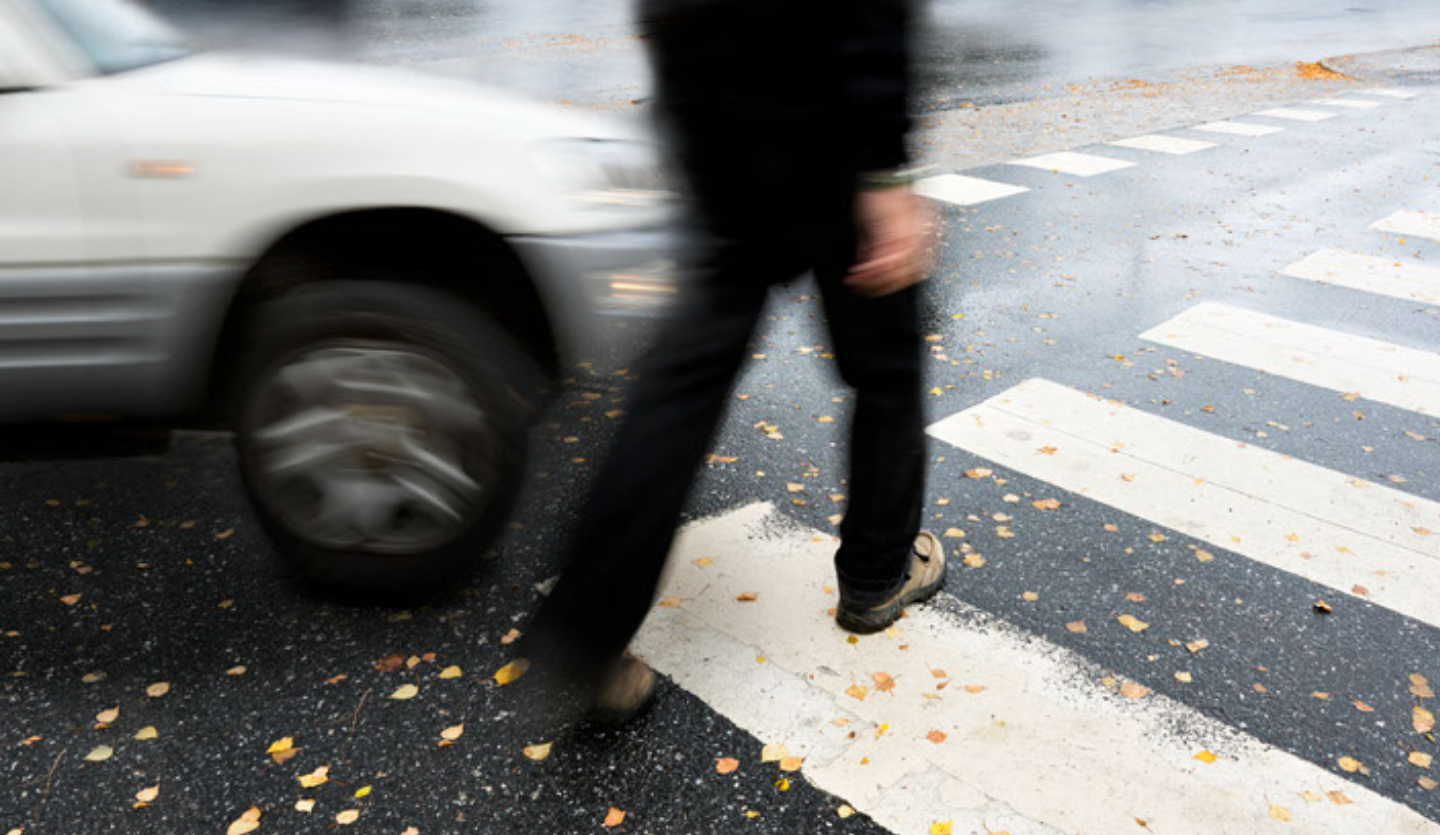
The driver's insurer is already looking for ways to blame you. From what you were wearing to where you were crossing, and whether you were distracted. And the injuries from a pedestrian crash are almost always severe, which means the stakes of getting this wrong are high.
- We know how to shut down the blame-the-pedestrian strategy. Insurance companies argue dark clothing, headphone use, jaywalking, and anything else they can point to. Our attorneys can counter those arguments with scene evidence, surveillance footage, witness statements, and the right-of-way laws that put the duty of care squarely on the driver. Partial fault may reduce your recovery under New York's comparative negligence rule, but we work to keep that number as low as the evidence supports.
- We build claims that match the severity of the injuries. Pedestrian crashes produce fractures, traumatic brain injuries, spinal damage, and permanent mobility limitations at rates that dwarf car-on-car collisions.
The medical documentation, the long-term cost projections, and the damages case all need to reflect that severity, not the generic formula an adjuster applies to every file on their desk.
There is no cost to start, no fees unless we recover compensation. Call (516) 444-4444 for a free evaluation.
Why Pedestrian Accidents Are So Severe on Long Island
Long Island was built around cars, not pedestrians. Wide, high-speed roads like Hempstead Turnpike, Sunrise Highway, and Route 110 carry heavy traffic through commercial corridors where people also need to cross on foot.
Many of these roads lack adequate crosswalks, pedestrian signals, or sidewalk infrastructure, forcing walkers into situations where a single driver's mistake becomes catastrophic.
According to the Governor's Traffic Safety Committee, from 2022 to 2024, the number of pedestrians injured or killed in crashes across Nassau and Suffolk counties increased 10%, with 58 pedestrians losing their lives in 2024.
Downtown areas like Hempstead, Mineola, Huntington, and Patchogue see frequent pedestrian traffic near transit hubs, shopping districts, and schools, and the crash data reflects it.
According to NHTSA research, a pedestrian struck at 31 mph faces an estimated 8% fatality risk, and that risk climbs to 50% at approximately 47 mph.Long Island's wide arterial roads, where posted speeds often reach 40 to 55 mph, put pedestrians in the most dangerous possible position when a driver fails to yield, runs a red light, or looks down at a phone.
Who Can Be Liable in a Long Island Pedestrian Accident Case?
New York law places significant responsibility on drivers to watch for and yield to pedestrians. Under Vehicle and Traffic Law § 1151, drivers must yield the right of way to pedestrians crossing within a crosswalk, slowing or stopping as necessary.
Drivers emerging from driveways, alleys, or parking lots must also yield to pedestrians on sidewalks under VTL § 1151-a.
When a driver violates these duties, whether by speeding, running a red light, failing to yield at a crosswalk, texting, or driving under the influence, that violation may establish negligence in a pedestrian accident claim.
Liability doesn't always rest solely with the driver. Depending on the circumstances, other parties may share responsibility:
- The driver. Distracted driving, speeding, failure to yield, impaired driving, and aggressive driving are among the most common causes of pedestrian crashes on Long Island.
- A property owner or business. Poorly maintained parking lots, inadequate lighting, or obstructed sightlines near driveways and entrances may contribute to pedestrian accidents on private property.
- A municipal entity. Missing crosswalks, broken pedestrian signals, poorly designed intersections, and road conditions that force pedestrians into traffic may support a claim against a government entity. These claims require serving a notice of claim within 90 days.
Our attorneys identify each potentially liable party early in the case to pursue every available source of pedestrian accident compensation and maximize the recovery available to injured victims.
What If the Insurer Tries to Blame Me?
Insurance companies frequently try to shift blame onto pedestrians by pointing to dark clothing, headphone use, crossing location, or alleged distraction. New York's pure comparative negligence rule means partial fault reduces your recovery but does not eliminate it, and our attorneys work to counter these arguments with evidence from the scene, witness statements, and surveillance footage.
How Pedestrians Access No-Fault Benefits After Being Hit on Long Island
You weren't behind the wheel, but New York's no-fault system still applies to you. When a pedestrian is struck by a motor vehicle, PIP benefits are generally available through the driver's insurance policy.
This is a critical distinction, because it means you're filing for benefits under someone else's coverage, and the driver's insurer has every incentive to complicate the process.
PIP benefits generally cover medical expenses, a portion of lost wages, and other basic economic losses up to $50,000, regardless of who caused the crash. These benefits do not cover pain and suffering.
To pursue pain and suffering damages against the driver, your injuries must meet the serious injury threshold under Insurance Law § 5102(d). Given the severity of most pedestrian crash injuries, including fractures, head trauma, and permanent limitations, many pedestrian accident victims meet this threshold. An attorney may help document how your injuries qualify.
Common Long Island Pedestrian Accident Scenarios
Pedestrian crashes on Long Island follow patterns tied to road design, driver behavior, and the areas where foot traffic is highest. Our attorneys handle cases involving:
- Crosswalk accidents. Drivers who fail to yield to pedestrians in marked or unmarked crosswalks violate New York law and may be held liable for resulting injuries. These crashes are common at busy intersections throughout Hempstead, Mineola, Hicksville, and Huntington.
- Intersection crashes. Left-turning and right-turning drivers frequently strike pedestrians who have the right of way. Drivers focused on gaps in traffic may fail to see a pedestrian entering the crosswalk.
- Parking lot and driveway accidents. Drivers backing out of spaces or exiting driveways may not see pedestrians, particularly children. Retail areas and shopping centers in both Nassau and Suffolk County see these crashes regularly.
- Hit-and-run accidents. When a driver strikes a pedestrian and flees, the injured person may still have options through uninsured motorist coverage or MVAIC. Specific procedural requirements apply, making early legal consultation important.
- Distracted and impaired driving crashes. A driver looking at a phone or impaired by alcohol may not see a pedestrian until it's too late.
- School zone and transit hub accidents. Areas near Long Island Rail Road stations, bus stops, and schools see concentrated pedestrian activity. Drivers who fail to slow down or watch for pedestrians in these zones put vulnerable people at risk.
Each scenario raises different evidence and liability questions, but the common thread is a driver who failed to exercise the care that New York law requires.
Compensation Available in a Long Island Pedestrian Accident Claim
Pedestrian accident injuries tend to be more severe than injuries in car-on-car crashes because there is nothing between the person and the vehicle. The compensation available reflects that severity.
Beyond PIP benefits, a Long Island pedestrian accident claim may pursue:
Medical Costs Beyond “Basic Economic Loss”
Pedestrian crashes frequently produce injuries that require emergency surgery, extended hospitalization, neurological care, and months or years of rehabilitation. Traumatic brain injuries, spinal damage, and complex fractures are common, and the treatment costs reflect that severity.
Lost Wages and Long-Term Earning Capacity
If your injuries prevent you from standing, walking, commuting, or performing the physical requirements of your job, the income disruption may extend far beyond the initial recovery period. Diminished earning capacity captures what you'll lose over time.
Pain and Suffering
Being struck by a vehicle while walking is a traumatic experience with lasting physical and psychological consequences. Chronic pain, difficulty walking, fear of crossing streets, and anxiety in traffic environments are the emotional aftermath of a pedestrian crash that persists long after the bones heal.
Loss of Enjoyment of Life
Walking was part of how you lived: your commute, your exercise routine, your weekend errands, your time with your kids. When a crash takes that away, the law treats it as a real and compensable loss.
We document each element of your damages with input from treating physicians and rehabilitation specialists so that the claim reflects your actual recovery trajectory, not a generalized estimate.
Protecting Your Claim After a Pedestrian Accident on Long Island
Get medical attention immediately, even if you feel capable of walking away. Pedestrian crash injuries — concussions, internal bleeding, hairline fractures — often don't present full symptoms at the scene. An ER visit or urgent care evaluation within hours of the crash creates the medical baseline your claim needs.
Preserve what you were wearing. The clothing and shoes you had on at the time of the crash may serve as physical evidence — scuff marks, tire impressions, torn fabric, and damage patterns can corroborate the point of impact and the force involved. Don't wash or discard anything.
Photograph the scene before you leave, if you're able. Crosswalk markings, signal timing, sightline obstructions, lighting conditions, and the position of the vehicle that hit you. If you can't do this yourself, ask someone nearby to take photos on your behalf.
File for no-fault benefits within 30 days. Even though you weren't driving, the 30-day application deadline applies. Benefits flow through the driver's policy, and a late submission may jeopardize coverage.
Contact a pedestrian accident attorney before making decisions. Settlement offers and release forms close your claim permanently. If your injuries worsen or require surgery, there's no reopening it. A free consultation gives you clarity before you commit to anything.
FAQs for Long Island Pedestrian Accident Attorneys
Who pays my medical bills after a Long Island pedestrian accident?
No-fault (PIP) benefits are typically the first source of coverage for medical expenses after a pedestrian accident. Even though you weren't driving, New York law generally allows pedestrians struck by vehicles to access PIP benefits through the driver's insurance policy, covering medical costs, a portion of lost wages, and other basic economic losses.
If your medical bills exceed PIP limits or your injuries meet the serious injury threshold, a separate liability claim against the at-fault driver may provide additional compensation.
What if I was crossing outside of a crosswalk when I was hit?
New York's comparative negligence rule allows you to pursue compensation even if you share fault for the accident. Under VTL § 1152, pedestrians crossing outside a crosswalk must yield to vehicles, but drivers still have a legal duty to exercise due care to avoid hitting pedestrians regardless of where they're crossing. Understanding how pedestrian accident negligence is evaluated can be important, as your recovery may be reduced by your percentage of fault, but partial responsibility does not eliminate your right to file a claim.
What if the driver who hit me fled the scene?
Hit-and-run pedestrian accidents are devastating, but New York law provides recovery options. Uninsured motorist coverage through your own auto policy, if you have one, may provide compensation. If you don't have auto insurance, you may be eligible for benefits through the Motor Vehicle Accident Indemnification Corporation (MVAIC). Timely police reporting and early legal consultation are important to preserve these options.
Can I file a claim if my child was injured as a pedestrian?
Yes. A parent or legal guardian may file a claim on behalf of a minor child injured in a pedestrian accident. New York also tolls the statute of limitations for minors, meaning the three-year filing deadline generally does not begin until the child turns 18.
However, other deadlines, including the 30-day no-fault application and the 90-day notice of claim for government entities, still apply immediately.
How long do I have to file a pedestrian accident claim in New York?
The statute of limitations for most personal injury claims is three years from the date of the accident under CPLR § 214. Wrongful death claims carry a separate two-year deadline from the date of death. Claims against government entities require a notice of claim within 90 days. The 30-day no-fault application deadline also applies.
Do pedestrian accident victims need to meet the serious injury threshold?
Yes. New York's no-fault system requires pedestrian accident victims to meet the same serious injury threshold under Insurance Law § 5102(d) that applies to car accident cases before they may pursue pain and suffering damages.
However, the severity of most pedestrian crash injuries, including fractures, head trauma, and permanent limitations, often meets this standard.
How much does a Long Island pedestrian accident lawyer cost?
Like most personal injury attorneys, William Mattar works on a contingency fee basis. There are no upfront costs and no attorney's fees unless we recover compensation on your behalf.
Speak With a Pedestrian Accident Lawyer Today after a Long Island Crash
Being hit by a vehicle while walking is one of the most frightening experiences a person can go through. The injuries are severe. The recovery is long. And the legal process that follows asks you to make critical decisions about insurance claims, medical documentation, and settlement offers while you're still trying to heal.
William Mattar handles Long Island pedestrian accident cases from the first phone call through resolution. Our Jericho office serves Nassau and Suffolk County residents directly, and our phones are always answered.
Call (516) 444-4444 to speak with a Long Island pedestrian accident lawyer. The consultation is free, available 24/7, and comes with no obligation. No Fee Until We Win℠.
Past performance does not guarantee future results, including financial results or client satisfaction.