Serious injuries can follow drunk driving accidents in Buffalo, with physical, financial, and emotional impacts that are often harder to handle than anyone expects.
Legal options after a crash extend far beyond dealing with an insurance claim, especially when ongoing medical needs and questions about fault, insurance limits, or compensation arise.
A Buffalo drunk driving accident injury lawyer from William Mattar Accident Lawyers can help untangle these issues, offering informed perspectives on rights, next steps, and ways to challenge unfair claim denials or lowball settlements under New York law. A lawyer can help you pursue compensation after a drunk driver injures you on New York roads, which is why many people choose to work with a New York Drunk Driving Accident Lawyer for added clarity and support throughout the claims process.
Ready to explore your rights and legal options after sustaining drunk driving accident injuries in Buffalo, NY? Schedule a free case evaluation online or at 716-444-4444 to learn how we can help you fight for the compensation you may be eligible for under the law.
Key Takeaways About Drunk Driving Accident Injuries & Legal Options in Buffalo, New York
- Injuries from drunk driving accidents in Buffalo run the gamut from whiplash and concussions to spinal cord injuries and psychological trauma, and each must be documented for the strongest claim.
- Insurance company investigations and negotiations can quickly become adversarial or overwhelming, making attorney-led advocacy essential to recovering more than basic no-fault benefits.
- New York's serious injury threshold limits pain and suffering compensation to those with significant injuries. Evidence and timely medical care are crucial to supporting a claim for maximum compensation.
- Claims typically must be filed within three years, but much shorter deadlines apply if public vehicles or infrastructure are involved. Every case is unique and should be treated as such.
- Legal support supplies critical tools for analyzing accident evidence, qualifying for additional damages, and staying organized through sometimes slow-moving legal and insurance procedures.
- Every decision made in the weeks after a crash, whether gathering paperwork, following medical treatment, or communicating with adjusters, can significantly impact the odds of a full and fair financial recovery.
Understanding the Trauma and Injuries Linked to Drunk Driving Crashes
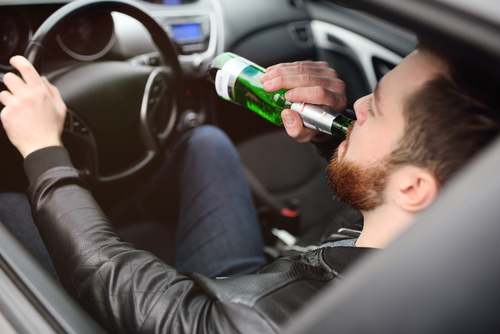
Injuries from impaired driving accidents often surface in the first hours or days but can develop into deeper or more persistent problems than first assumed. Common injuries tied to Buffalo drunk driving crashes include issues frequently seen in drunk driving car accidents in New York, ranging from soft tissue damage and fractures to traumatic brain injuries and long-term psychological effects.
- Neck and back strain or whiplash: Sudden impacts can injure muscles and ligaments, sometimes resulting in pain that persists long after the initial crash.
- Broken bones and fractures: Collisions at higher speeds or from certain angles often result in hospital stays and lengthy rehabilitation.
- Traumatic brain injuries: From mild concussions to severe cognitive changes, head trauma may require ongoing therapy and support.
- Spinal cord injuries: Loss of mobility, nerve pain, or even paralysis can all be traced back to a single car crash.
- Internal injuries or bleeding: These problems may not become evident immediately, but can threaten long-term health without timely care.
- Psychological harm: Experiences such as anxiety, nightmares, or avoidance of travel are common, and these mental health impacts should be reflected in any legal claim.
Securing accurate medical assessments, following up on recommended care, and closely tracking all symptoms creates the strongest foundation for a compensation claim.
What to Do After a Drunk Driving Accident in Buffalo, New York
Taking the right steps after a crash is about more than just checking boxes. It affects the entire process of seeking compensation. Some steps to consider:
- Contact first responders: Police and EMS build a record that documents both the scene and the other driver's impairment. Most importantly, it allows you to receive any medically necessary treatment.
- Document the crash and injuries: Photos of license plates, vehicle positions, visible wounds, and road conditions support later legal arguments.
- Ask for the police report: This record often becomes a cornerstone for any Buffalo DWI accident lawsuit or claim.
- Collect witness information: Witness perspectives can be decisive in contested claims or if liability is questioned.
- Seek prompt and thorough medical care: Quick evaluation and documentation of injuries (even those that seem minor) play a vital role in claim success.
Tending to these practical details early positions a lawyer to make the most of the facts and advocate strongly in the legal process, particularly in cases involving drunk driving, where evidence and timing often shape the outcome.
Navigating Insurance and Financial Compensation After a DWI Crash
Insurance coverage after a drunk driving accident is rarely as straightforward as drivers hope. Most cases involve these key insurance elements:
- No-fault insurance (PIP): Offers initial coverage for medical expenses and lost wages but is capped and rarely covers all losses.
- Liability insurance: The other driver's liability policy is typically the first recourse for damages, but payment may be delayed or limited by policy caps or claims handling techniques.
- Uninsured and underinsured coverage: Extra policies may be available through the injured person's insurer, especially when the drunk driver is uninsured or lacks enough coverage.
- Disputes over medical costs, missed work, and non-economic damages: Insurers routinely try to argue about causation, the severity of injuries, or even the necessity of certain care.
Legal analysis, case management, and negotiation are essential for securing more than minimal settlements.
Meeting New York's Serious Injury Threshold
In Buffalo and throughout New York, injured individuals must meet a serious injury threshold to recover pain and suffering or other non-economic damages outside of PIP. To paraphrase, this threshold may include:
- Fractures or serious disfigurement
- Permanent loss of use of a body part or organ
- Significant limitation of use or ongoing impairment that persists for at least 90 days
- Fatal injury
Demonstrating that a case falls within these categories requires prompt medical care, careful documentation, and, in some cases, legal professional opinions. Legal counsel works to bring all of this together to strengthen the claim, particularly in drunk-driving accidents, where insurers often challenge causation and injury severity.
Proving Fault and Strengthening the Case
Securing a favorable outcome means clearly identifying fault and connecting the crash to its long-lasting consequences. Essential types of evidence may include:
- DUI arrest records and BAC results: Official records can provide powerful support for a Buffalo drunk driver injury lawsuit.
- Dashcam or traffic camera video: Footage can capture the moment of impact or the driver's behavior before the crash.
- Medical records: Comprehensive documentation confirms not only the presence of injury, but also its intensity and impact over time.
- Witness statements: First-hand descriptions of the crash help corroborate the main narrative and can counter insurance company claims.
A Buffalo DWI accident lawyer can help analyze and assemble these elements, using them to advocate for fair compensation while also highlighting how drunk driving safety measures play a role in proving preventability and strengthening the overall claim.
Handling Comparative Fault in Drunk Driving Accidents
New York follows a pure comparative negligence rule, meaning those with injuries may recover damages even if they are partially at fault. However, their percentage of responsibility may reduce any award or settlement.
Insurance companies look for ways to assign blame to anyone else involved. With experienced legal counsel, those hurt in drunk driving accidents have a better chance of pushing back on these arguments to secure a meaningful recovery.
Damages Available in a Buffalo Drunk Driving Accident Lawsuit
Those involved in a drunk driving crash may be able to pursue several types of damages, including:
- Medical expenses (past, present, and future) not covered by no-fault insurance
- Lost wages and diminished earning capacity not covered by no-fault insurance
- Costs for rehabilitation or long-term care not covered by no-fault insurance
- Pain and suffering, physical and emotional
- Property losses associated with the crash
- Punitive damages, in cases where the drunk driver's behavior rises to a level of recklessness
A comprehensive accounting of these losses, supported by invoices, medical assessments, and even testimony from family and colleagues, enhances claim value and facilitates more favorable negotiation outcomes, reinforcing how accidents are caused by drunk-driving and why full documentation is essential to prove the true impact of the crash.
Time Limits: Statutes of Limitation and Notice Requirements
It's important to act quickly, because missing a deadline can permanently block a claim:
- Three years is the standard personal injury deadline in New York.
- Claims involving public entities or infrastructure may require a Notice of Claim within 90 days of the accident.
- Lost evidence and fading memories only increase the risk with every passing week.
- Every case is unique and statutes of limitations can be very short. It is critical to consult with an experienced attorney as soon as possible.
Retaining a Buffalo impaired driving injury lawyer soon after the crash can help preserve every available right and avoid unnecessary pitfalls.
When Drunk Driving Accidents Become Wrongful Death Claims in New York
Sometimes, the worst happens. If a family member dies from drunk driving accident injuries in Buffalo, NY, the law allows close relatives to file for wrongful death damages, such as medical costs, lost income, and loss of companionship, and this process often overlaps with the same principles that apply when someone survives being injured by a drunk driver, since both situations require proving negligence and documenting the full extent of the harm caused.
- Final medical costs and funeral expenses
- Lost income and household support
- Loss of parental guidance or companionship
- Emotional impact and loss of services
Legal guidance can clarify who has the right to file, how to collect documentation, and what deadlines apply in these tragic circumstances.
What Makes Drunk Driving Accident Cases in Buffalo Unique?
Buffalo's specific traffic patterns, winter weather, and nightlife mean certain legal and insurance issues can arise:
- Multi-car chain reactions from icy roads or poor visibility
- Conflicts over insurance coverage where bar or third-party liability is involved (dram shop)
- Local police, court, and municipal processes that affect how cases proceed
Lawyers who know the Buffalo area and its common accident patterns can anticipate and address these issues more effectively, keeping cases on track.
Practical Steps Moving Forward
After an impaired driving crash, staying organized and informed is key. Consider these practical steps:
- Collect all receipts, work notes, and communication with law enforcement or insurers.
- Only discuss details with legal or medical professionals.
- Focus on recovery and let legal professionals handle claim negotiations and paperwork.
A clear, disciplined approach from day one strengthens both recovery and legal outcomes, which becomes even more important in drunk driving cause accidents where insurers often challenge fault and attempt to reduce the value of a claim.
FAQs About Buffalo Drunk Driving Accident Injuries and Legal Claims
What compensation can be recovered after a drunk driving crash?
Victims of drunk driving accidents may recover compensation for a variety of damages, including medical expenses, lost wages, and pain and suffering. Property damage, such as vehicle repairs or replacement, can also be included.
Can a claim be pursued if the at-fault driver has criminal charges?
A civil lawsuit can be pursued independent of any criminal charges or outcomes. While criminal proceedings focus on punishing the offender, a civil claim is designed to compensate the victim for their losses. Even if the at-fault driver is convicted or pleads guilty, a civil case ensures that victims can seek the financial recovery they deserve. These are two distinct proceedings with different aims.
What happens if the drunk driver didn't have insurance or fled the scene?
Claims can often be made through uninsured/underinsured motorist coverage on the victim's own policy. Additionally, New York's Motor Vehicle Accident Indemnification Corporation (MVAIC) program may provide compensation in certain hit-and-run cases.
How do I know if my injuries meet the serious injury threshold?
A lawyer can collaborate with medical professionals to document the severity of injuries, such as fractures, significant disfigurement, or permanent limitations, ensuring they meet the legal criteria for broader recovery.
How long will the legal process take?
The timeline for resolving a drunk driving accident claim can vary depending on factors such as the case's complexity, the extent of medical treatment, and the insurance companies' willingness to negotiate. While some cases settle quickly, others may take longer if litigation is necessary.
Find Legal Answers After a Drunk Driving Accident in Buffalo With the Help of William Mattar

Legal challenges after a drunk driving accident can be complex, but you don't have to navigate them alone. William Mattar Accident Lawyers is here to provide clear answers, thorough investigations, and strong advocacy to help you pursue the compensation you deserve.
Whether it's negotiating with insurance companies, identifying all liable parties, or preparing for litigation, our team is dedicated to protecting your rights and guiding you through every step of the process.
Contact William Mattar Accident Lawyers at 716-444-4444 or schedule your free consultation online. Let us help you take the next step toward justice and fair compensation.