After a NICE or SCT bus crash, New York’s No-Fault law determines who pays your initial medical bills and lost wages. In most cases, you must first file a claim with your own car insurance policy, even though you were on a bus. In most cases, if you don't have one, the bus company’s insurance becomes the source of these benefits. Every case is unique and should be examined by an experienced attorney, and a Long Island bus accident lawyer can evaluate how these rules apply to your situation.
These processes typically involve strict paperwork and deadlines that are easily missed while you are focused on recovery. You deserve an advocate who will invest the time and attention needed to pursue the full compensation your situation calls for.
If you have questions about your Long Island bus accident, call William Mattar Accident Lawyers at (516) 444-4444.
Key Takeaways for Long Island Bus Accident Claims
- Your own car insurance is usually the first to pay. Under New York's No-Fault law, Personal Injury Protection (PIP) is the primary source for the first $50,000 of medical bills and lost wages, even if you were injured on a bus.
- Strict deadlines apply, especially for public bus systems. You have only 30 days to file a No-Fault application and a 90-day deadline to file a Notice of Claim if you intend to sue NICE or SCT.
- You must prove a "serious injury" to sue for pain and suffering. No-Fault benefits do not cover pain and suffering; to recover these damages, your injury must meet a specific legal definition, such as a fracture or a significant limitation of a body function.
Who Pays First? The No-Fault Priority Rule for Bus Passengers

New York’s No-Fault law is designed to get accident victims' immediate medical expenses paid quickly, regardless of who caused the crash. For bus passengers, the system has a specific order of priority, a structure that exists in part because bus drivers cause too many tragic accidents and the law aims to ensure victims still receive prompt care.
Scenario 1: You Have Your Own Auto Insurance Policy
Your own Personal Injury Protection (PIP) coverage is the primary source for your No-Fault benefits. The law is structured this way to streamline initial payments.
Scenario 2: You Don't Have a Car, But a Relative in Your Household Does
If you don't personally own an insured vehicle, the next in line is the auto policy of a family member you live with. A "household member" is generally defined as someone related to you by blood or marriage who resides in the same home. In this case, their PIP coverage would be responsible for your initial No-Fault benefits, a rule that reflects broader concerns about bus safety and ensuring injured passengers have a clear source of coverage.
Scenario 3: You Don't Have an Auto Policy and Neither Does Anyone in Your Household
Only in this situation does the bus company's (NICE or SCT) No-Fault insurance step in to pay your benefits. This is the final option in the No-Fault hierarchy for bus passengers. It's a safety net for those who have no other connection to an auto insurance policy.
The deadline to file your application for No-Fault benefits is a strict 30 days. If you spend that time submitting your claim to the wrong insurer, you could potentially miss the deadline and forfeit your right to these benefits entirely.
What Does the $50,000 in No-Fault Benefits Actually Cover?
When you hear that No-Fault provides up to $50,000 in benefits, it's easy to assume that amount will be more than enough. However, this isn't an automatic payment. It's a pool of money designated to cover specific, documented losses that is exhausted surprisingly quickly, especially given the high cost of medical care on Long Island, which is why issues like proving operator negligence often become critical once basic benefits run out.
This $50,000 limit is the standard amount for "basic economic loss" under a New York auto policy. Here’s a breakdown of what that money is used for:
- Necessary Medical Bills: This is the primary purpose of No-Fault coverage. It pays for all reasonable and necessary medical services, including ambulance transportation, emergency room treatment, hospital stays, surgeries, doctor’s appointments, physical therapy, diagnostic imaging (like X-rays and MRIs), and prescription medications.
- Lost Wages: If your injuries prevent you from working, No-Fault helps replace a portion of your income. It covers 80% of your lost earnings, with a cap of $2,000 per month. This means if you earn $4,000 per month, the maximum you receive from No-Fault for lost wages is $2,000, not the full 80% ($3,200).
- Other Reasonable Expenses: You may also receive a small daily amount, typically up to $25 per day, for other necessary expenses you incur because of your injuries. This includes transportation to medical appointments or hiring someone to help with household chores that you are no longer able to do.
What It Doesn't Cover
You must also understand the limitations of No-Fault insurance. The system is designed to handle immediate economic losses, but it does not address every consequence of a serious injury. Specifically, No-Fault does not pay for:
- Pain and suffering
- Emotional distress
- Loss of enjoyment of life
These are known as "non-economic damages," and the only way to pursue compensation for them is through a separate bodily injury lawsuit against the at-fault parties. Furthermore, No-Fault does not cover any medical bills or lost income that exceed the $50,000 limit.
When $50,000 Isn't Enough: Crossing the "Serious Injury" Threshold
For many people injured in a bus crash, the $50,000 provided by No-Fault is quickly depleted by hospital bills and lost time from work. This leaves you facing a mountain of debt with no way to pay for ongoing treatment, all while dealing with the physical pain and emotional strain of the incident.
When your losses exceed the No-Fault limit, New York law provides a path to seek full compensation. You may step outside the No-Fault system and file a bodily injury lawsuit against the parties whose negligence caused the accident. This could include the bus driver, the bus company, or the driver of another vehicle, which is often the reality after a serious bus accident. That is called economic loss in excess of basic economic loss. Another way to step outside of the no-fault system is to show you have sustained a “serious injury” as defined by law.
What Is a "Serious Injury"?
A "serious injury" must meet a specific statutory category defined under New York Insurance Law § 5102(d). Proving your injury qualifies is a requirement to sue for pain and suffering and any economic damages that go beyond the $50,000 No-Fault coverage.
Examples of injuries that meet the legal definition include:
- A fracture (any broken bone).
- Significant disfigurement, such as prominent scarring.
- Loss of a fetus.
- Permanent loss or significant limitation of a body organ, function, or system (for example, permanent damage to your vision or a permanent limp).
A personal injury law firm can help you by gathering the necessary medical records and legal professional opinions to build a case showing that your injury meets this important legal standard.
Is a Claim Against NICE Different Than a Claim Against SCT?
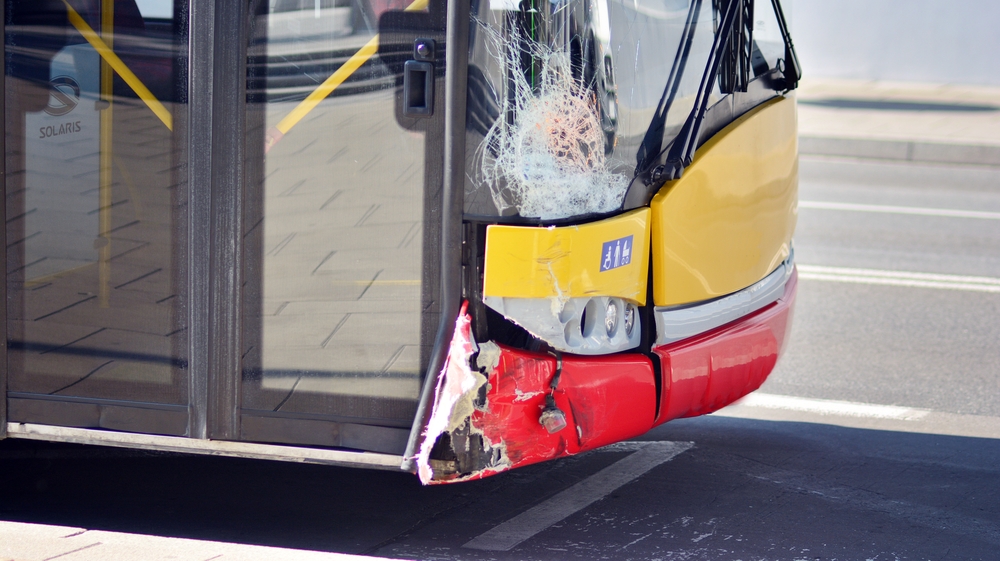
For anyone thinking about a No-Fault claim after a Long Island bus crash, the distinction between NICE and SCT matters. While the initial No-Fault application process remains the same regardless of which bus was involved, things change if you need to file a lawsuit.
The difference is that claims against both Nassau Inter-County Express (NICE) and Suffolk County Transit (SCT) are considered claims against public entities. This brings a special set of rules and much shorter deadlines into play, which is why after a bus accident. Now what becomes an urgent legal question. An experienced attorney can ensure that the appropriate entity is identified and served.
The Notice of Claim Requirement
Before filing a lawsuit against a government-related entity in New York, you must first file a formal document called a "Notice of Claim." This document officially informs the municipality of your intent to sue.
- The Deadline: Under New York General Municipal Law § 50-e, this Notice of Claim must be filed within 90 days of the accident.
- The Consequences: This is not a flexible deadline. Failing to file a Notice of Claim on time permanently prevents you from pursuing a lawsuit, no matter how badly you were injured.
The Deadlines That Can End Your Claim Before It Starts
Here are the most pressing deadlines you need to be aware of:
- 30 Days: Your No-Fault Application (Form NF-2)
This form must be completed and filed with the correct insurance company, whether it's your own, a household member's, or the bus company's, within 30 days of the crash. - 90 Days: Notice of Claim (for claims against NICE/SCT)
As mentioned before, if your injuries are serious enough to warrant a lawsuit against these public entities, a formal Notice of Claim must be served within 90 days upon the appropriate entity. - One Year and 90 Days: The Statute of Limitations for Municipalities
This is the final deadline to file a lawsuit against a municipality like Nassau or Suffolk County. It is significantly shorter than the standard deadline for other personal injury cases.
These time limits are strict legal requirements. A law firm experienced in handling claims against public transit authorities can manage this calendar for its clients, making sure every document is filed correctly and on time.
Frequently Asked Questions About Long Island Bus Accidents
What if I was injured while getting on or off the bus?
You are generally still considered a passenger and may be eligible for No-Fault benefits. However, the bus company could argue that your injury happened when you were a pedestrian. These cases depend heavily on the specific facts of the incident.
Can I still file a claim if I think I might be partially at fault?
Yes. The No-Fault system pays your initial $50,000 in benefits regardless of who was at fault. If you file a lawsuit for a serious injury, New York's pure comparative negligence rule applies. This means you may still recover damages even if you were partially to blame, but your final compensation award will be reduced by your percentage of fault.
I have health insurance. Should I use that instead of No-Fault?
No. For injuries sustained in any motor vehicle accident in New York, No-Fault insurance is the primary payer. Your health insurance company will likely deny claims for accident-related treatment and direct you to file a No-Fault claim first.
Your Next Step Is to Protect Your Rights

The moments after a bus crash are disorienting. You're focused on your health, not on insurance paperwork and legal deadlines. But the forms you need to file and the evidence you need to preserve won't wait.
Letting a law firm with deep experience in car accident claims handle the process allows you to focus on your recovery while we ensure your rights are protected. Every case is unique. This blog cannot substitute for personalized legal advice.
Contact the team at William Mattar Accident Lawyers today at (516) 444-4444 for a simple, no-cost consultation to understand your options.