If you were injured on a Nassau Inter-County Express (NICE) bus, you have only 90 days from the date of the incident to file a formal Notice of Claim.
Unlike a typical car accident claim, which gives you three years to file a lawsuit, an injury on public transportation falls under special rules because it involves a government entity, a distinction a Long Island bus accident lawyer can explain when evaluating your deadlines.
Missing this 90-day window almost always means you lose your right to pursue compensation for your injuries, no matter how serious they are. The process is designed to protect the municipality, and it is unforgiving of mistakes or delays. New York courts have dismissed cases for even minor procedural errors.
If you have questions about an injury you sustained on a NICE bus, call our office. We will explain the steps and your options. Contact William Mattar Accident Lawyers today at (516) 444-4444.
Key Takeaways for NICE Bus Injury Claims
- You have only 90 days to file a Notice of Claim. This is a strict, non-negotiable deadline, and missing it will almost certainly bar you from recovering any compensation. There is a mechanism to seek permission to file a late notice of claim, but there is never any guarantee that the petition will be granted.
- The Notice of Claim is a detailed legal document. Minor errors, such as a vague location or incorrect date, can potentially be enough for a court to dismiss your entire case.
- Suing a government entity is different from a standard injury claim. The process involves unique steps, such as a 50-h hearing where you testify under oath, and is designed to protect the municipality's interests.
What Is a "Notice of Claim," and Why Does It Exist?
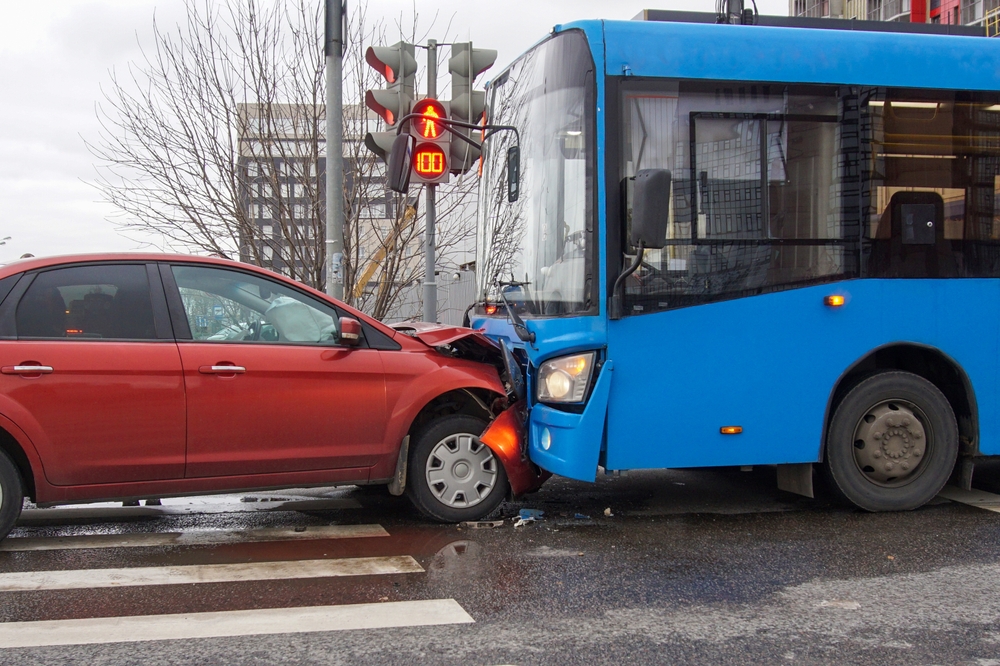
When you are injured because of a private citizen's actions, you generally file a lawsuit directly against them and their insurance company has a duty to defend and indemnify. When the responsible party is a government body, however, a different set of rules applies, and if you were injured as a passenger, the Notice of Claim is the first and most important step in that procedure.
The 90-Day Clock Is Not on Your Side
The stated purpose of the Notice of Claim under New York General Municipal Law § 50-e is to give the government a chance to investigate the incident promptly while evidence is still fresh. For the injured person, however, this creates a high-pressure situation right after a traumatic event. Your focus should be on your medical recovery, but instead, you are faced with an immediate and unforgiving legal deadline.
A significant number of claims against municipal transit authorities are rejected simply because the Notice of Claim was not filed correctly or on time. The system has built-in procedural hurdles that easily trip up someone unfamiliar with the process.
Think of the Notice as Your Ticket to Entry
Here’s an analogy: The Notice of Claim is like a non-refundable, non-transferable ticket to a venue. If you don't buy that ticket within the short sales window, you cannot get in. It doesn't matter how much you wanted to see the show; the gate is closed. Filing the notice doesn't start a lawsuit. What it does is preserve your right to file one later on.
Without a properly filed Notice of Claim, you have no legal path to seek compensation. Our firm can handle the preparation and filing of this document to ensure it is done correctly and on time, securing your "ticket" and protecting your right to pursue your claim.
How Is a NICE Bus Claim Different from a Regular Car Accident Claim?
The Clock Is Drastically Shorter
With a private car accident, you generally have three years to file a lawsuit, with no Notice of Claim requirement. This compressed timeline forces your attention onto legal paperwork at a time when you are likely still dealing with the initial shock and pain of your injuries.
What Information Must Be in Your Notice of Claim to Be Valid?
The Anatomy of a Valid Notice of Claim
Under New York law, your Notice of Claim must include several key pieces of information, including but not necessarily limited to:
- Your Full Name and Address: This includes the name and address of your attorney if you have retained one.
- The Nature of the Claim: A clear statement of what you are alleging. For instance, you might claim negligence on the part of the bus driver for a sudden, unsafe stop.
- The Time, Date, and Exact Location of the Incident: Some level of specificity is important.
- How the Accident Happened: You must give an account of the events that led to your injury. This description may be scrutinized later.
- A Description of Your Injuries: List injuries you are aware of at the time of filing. It is acceptable to state that the full extent of your injuries is not yet known.
- The Damages Claimed: The type of damages you are seeking as compensation, to the extent it is known at the time of filing.
Who Exactly Do You Sue? Identifying the Correct Liable Party
Figuring out who is legally responsible for your injuries is more complicated than it seems.
It's Not as Simple as "The NICE Bus"
You were injured on a NICE bus, but NICE is the operating name for the system, and if your injuries came from a bus accident, an attorney can identify the correct entity or entities that need to be put on notice of claim. Your Notice of Claim must be filed against the correct legal entities.
What if Other Parties are Involved?
Bus accidents are not always caused by the bus driver alone. Sometimes, other parties share the blame, and each of them may be subject to different deadlines and legal rules. Consider these possibilities:
- Another Driver: If a car swerved in front of the bus and caused the crash, that driver and their insurance company would be involved under standard car accident rules, which includes a three-year deadline to sue.
- A Private Contractor: Some bus routes or services may be operated by private companies under contract. This could change who you need to file a claim against.
- A Maintenance Company: If a mechanical failure, like faulty brakes, caused the accident, a third-party company responsible for maintenance could be liable.
- A Manufacturer: A defective part on the bus itself could point to liability on the part of the manufacturer.
Untangling who is responsible is a key first step in any claim. We investigate the accident's circumstances to identify all potentially liable parties and ensure your rights are protected against each one.
What Happens After the Notice of Claim is Filed?
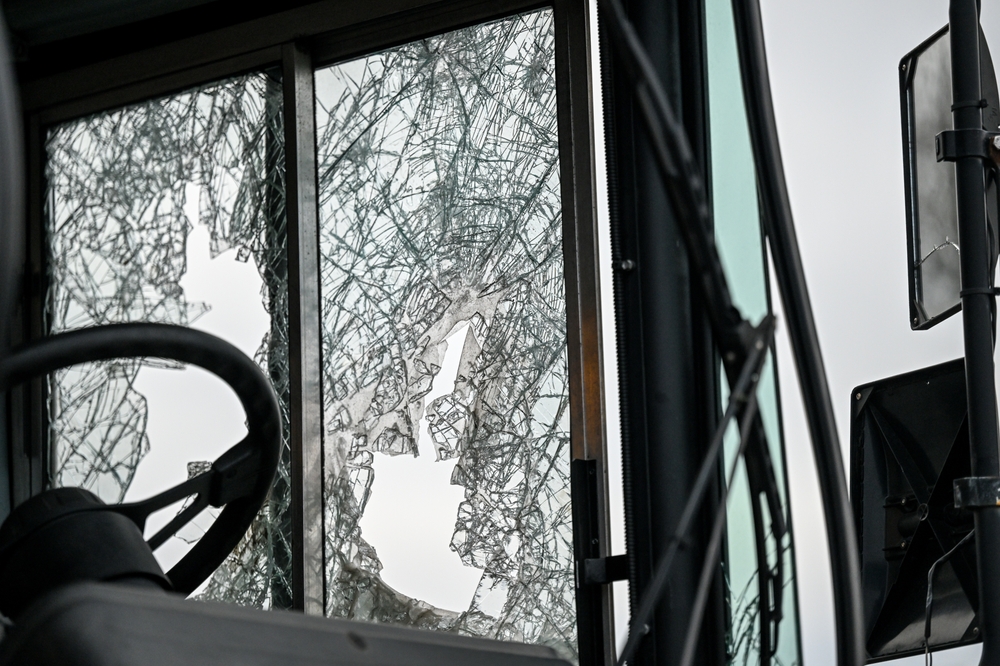
Successfully filing the Notice of Claim doesn't end the process; it only begins it. Once the notice is served, a new timeline and a new set of procedures are triggered.
The 50-h Hearing: Answering Questions Under Oath
The government has the right to demand that you appear for a special hearing, also called a "50-h hearing."
This is a proceeding where the government’s attorneys will ask you questions about the accident and your injuries, often focusing on issues related to bus safety. You will be under oath, and a court reporter will create a transcript of everything you say.
Beware: A 50-h hearing is not a casual conversation. Your testimony will be used against you later if a lawsuit is filed. Do not attend a 50-h hearing without an attorney who can prepare you for the questions and object to improper lines of inquiry.
The Lawsuit Deadline is Still Running
Remember that second deadline? You must file any lawsuit within one year and 90 days of the incident. The government’s investigation and the 50-h hearing do not pause this clock. It continues to run no matter what the you are doing. Missing this second deadline is just as final as missing the 90-day notice deadline. An experienced attorney can discuss the deadlines and how they apply to your case.
How Our Law Firm Manages Your NICE Bus Injury Claim
When you are recovering from an injury, the last thing you need is the stress of managing tight deadlines and difficult legal procedures, especially when the situation involves safer buses. Our team is prepared to handle this process for you.
Step 1: Immediate Investigation and Evidence Preservation
We work to quickly gather evidence, such as accident reports, witness contact information, photos of the scene, and your injuries. We will also move to secure any available bus camera footage before it is erased.
Step 2: Preparing and Filing the Notice of Claim
We can draft the Notice of Claim with the legally required precision and ensure it is properly served well before the 90-day deadline expires.
Step 3: Handling Communications
Once we represent you, we can help deal with insurance company interactions. This allows you to focus on your medical treatment without having to field calls or respond to letters about your claim.
Step 4: Representing You at the 50-h Hearing
We will prepare you for the questions you will likely face at the 50-h hearing. We will be by your side during the testimony to protect your rights and ensure your testimony is presented accurately.
Step 5: Building Your Case for Compensation
We can collect medical records, document your lost wages, and consult with medical and financial professionals if needed to fully calculate your damages. We then pursue the maximum compensation available under the law through negotiation or by filing a lawsuit if a fair settlement is not offered.
Frequently Asked Questions (FAQ)
What if I only realized I was seriously injured a few weeks after the bus accident?
The 90-day clock starts on the date of the accident, not the date you discover the extent of your injury. For this reason, speak with an attorney quickly, even if you are not sure how serious your injuries may become.
Can I handle the Notice of Claim myself to save money?
While you are permitted to file it yourself, it is extremely risky. As New York courts have shown time and again, small mistakes in the document's content, or in how and when it is served, invalidate your entire claim. The legal requirements are strict and not intuitive. Don’t gamble with your financial future.
Does New York’s No-Fault insurance apply to a NICE bus accident?
Yes, in many cases. New York is a No-Fault state. If you have a car insurance policy, you would typically first turn to your own Personal Injury Protection (PIP) coverage for initial medical bills and lost wages. This applies even if you were a bus passenger. However, filing a claim against the government may be the only way to recover money for damages like pain and suffering.
What if a pothole or bad road condition caused the bus to crash?
If a dangerous road condition was a factor, you might also have a claim against the entity responsible for maintaining that road.
Can I still file a claim if I was partially at fault for the accident?
New York follows a comparative negligence rule. This means you still recover damages, but your final award would be reduced by your percentage of fault.
That 90-Day Clock is Ticking. Don't Let It Run Out.

The system for bringing a claim against a government body is demanding, but the process is manageable with experienced help. Let us handle the deadlines and the paperwork so you are able to focus on what matters most: your health. Nothing in the above article should be taken as legal advice, because every case is unique, requiring close attention to the unique facts.
If you were hurt on a NICE bus, take the next step. Contact William Mattar Accident Lawyers at (516) 444-4444 for a free consultation.