When your child is hurt in a school bus accident, your immediate focus is their well-being. Once the initial shock subsides, questions about your child's rights and your family's financial stability begin to surface. Protecting your child’s rights involves understanding who may be held responsible and the specific, time-sensitive steps required to secure compensation for their injuries.
To hold the proper parties responsible, you’ll be dealing with school districts, their insurance providers, and potentially other drivers' insurance companies—each with their own procedures and interests, which is why speaking with a Long Island bus accident lawyer can be critical. One of the most challenging aspects is the short deadline to formally notify a government entity, like a public school district, of your intent to file a claim. An experienced attorney can identify all potentially liable entities and ensure that notice requirements are met.
If you have a question about your child's school bus accident, call William Mattar Accident Lawyers now for guidance. Call us at (516) 444-4444. This article is not legal advice. If you need help with a potential case, please contact an attorney as soon as possible.
Key Takeaways for Long Island School Bus Accident Claims
- Act immediately due to short deadlines. You must file a Notice of Claim against a public school district within 90 days of the accident, and this deadline is strictly enforced.
- Multiple parties may be liable. Responsibility often extends beyond one driver and may include the bus driver, the school district, a private bus company, or even equipment manufacturers.
- Do not settle without legal advice. Insurance companies aim to minimize payouts, so you should be wary of signing documents or accepting an initial offer before an attorney has evaluated the full extent of your child's damages.
Who Is Responsible When a School Bus Crashes?
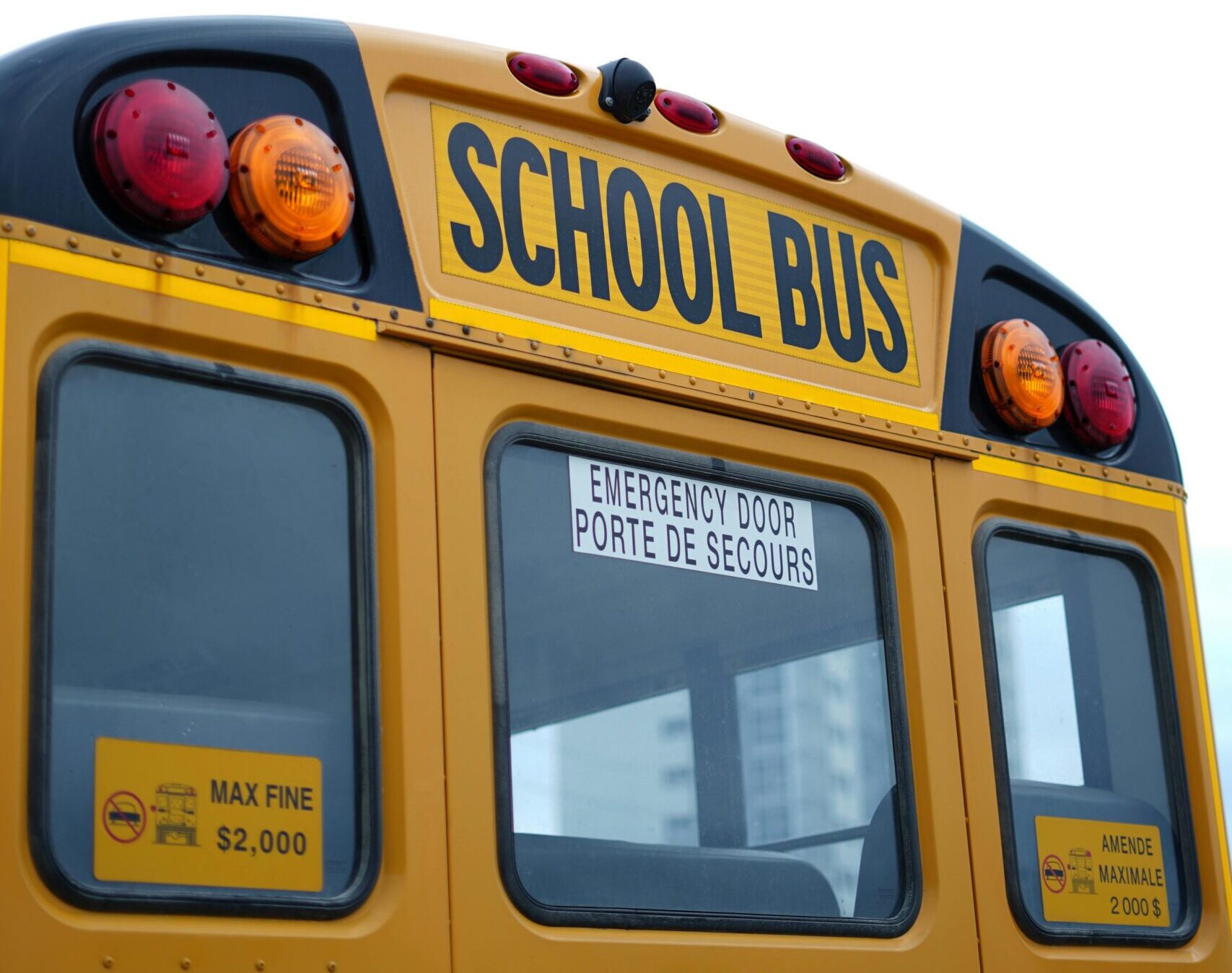
Multiple parties may share responsibility, and identifying all of them is a key step in ensuring your child's needs are met after a Long Island bus crash.
The School Bus Driver
Drivers are held to a high standard of care. We can investigate whether the driver was distracted, fatigued, speeding, or violated any traffic laws. New York regulations require drivers to follow specific safety protocols, including ensuring children are at least 15 feet from the bus and off the road before moving. Failure to do so is a form of negligence.
The School District or Bus Company
The district or company that employs the driver may be held responsible for the driver's actions through a legal concept called vicarious liability. This doctrine holds an employer responsible for the wrongful acts of an employee if those acts occur within the scope of their employment.
We also look into the district’s own potential negligence:
- Improper Hiring: Did they conduct thorough background checks as required?
- Inadequate Training: Was the driver properly trained on safety procedures and bus mechanics according to New York State Education Department guidelines?
- Poor Maintenance: Were the bus's brakes, tires, and safety equipment like flashing lights in proper working order?
The Other Driver(s)
Many school bus accidents are caused by other motorists. A common cause is a driver illegally passing a stopped school bus. This law requires drivers traveling in either direction to stop for a school bus with its red lights flashing.
To combat this dangerous behavior, some bus companies have implemented stop-arm cameras to ticket violators, but these accidents still happen frequently.
The Bus Manufacturer
In some cases, a defect in the bus itself may have caused or contributed to the accident. This may involve faulty brakes, tires, or structural flaws that made the vehicle unsafe.
A Note on Government Agencies
If poor road design, missing signs, or malfunctioning traffic signals contributed to the crash, a municipal or state agency may also bear some responsibility for the conditions that led to the accident.
What Compensation Is Available for My Family?
When you think about compensation, medical bills are probably the first thing that comes to mind. But the financial and emotional toll of an accident goes much deeper, especially after a bus accident. Our goal is to pursue the maximum compensation available to cover every aspect of your child’s recovery.
This typically includes payment for:
- All Medical Expenses: This covers everything from the initial emergency room visit to ongoing needs like physical therapy, medication, counseling for emotional trauma, and any future medical care your child might require.
- Pain and Suffering: This is compensation for the physical pain and emotional distress your child has experienced. A child's anxiety about getting back on a bus or the trauma from the event itself is considered.
- Loss of Future Earning Capacity: If the injuries are severe and may affect your child's ability to work later in life, this is accounted for.
- Your Lost Wages: If you had to take time off work to care for your child, you may recover those lost wages.
- Punitive Damages: In rare cases where the at-fault party's conduct was exceptionally reckless, a court may award punitive damages, which are meant to punish the wrongdoer.
How Insurance Companies Approach This
Insurance companies for any at-fault party are businesses. Their goal is to resolve claims for the lowest amount possible. They will conduct their own investigation to find reasons to minimize what they have to pay.
Our role is to build a comprehensive case, supported by evidence, that demonstrates the full extent of your child's injuries and your family's losses, ensuring their valuation is fair.
What Does the Legal Process Look Like?
You’re dealing with your child’s health—you shouldn't also have to deal with endless paperwork and legal procedures, especially when concerns about bus safety are involved. Here is a look at the process and how we manage it for you.
Step 1: The Investigation
While you focus on your family, we get to work immediately.
We can:
- Gather all police reports and accident scene evidence.
- Interview witnesses, including other parents and children if appropriate.
- Secure any available video footage, such as from the bus's internal cameras or nearby surveillance systems.
- Obtain maintenance records for the school bus and driving records for the involved parties.
Step 2: Filing the Notice of Claim
This is one of the most time-sensitive steps in any case involving a Long Island school bus accident. If a school district or other government entity is involved, New York law requires you to file a formal "Notice of Claim" very quickly—sometimes in as little as 90 days.
This document is a formal announcement of your intent to sue. Missing this deadline prevents you from filing a lawsuit, no matter how strong your case is. We handle this to ensure all deadlines are met.
Step 3: Building the Damages Case
We work with your child's doctors to get a complete picture of their injuries, treatment plan, and long-term prognosis. We document everything: medical bills, your lost time from work, and the impacts on your child’s life.
Step 4: Negotiation and Litigation
Once we have a full picture of the accident and your damages, we present a demand to the responsible insurance companies, if any, or the responsible entities themselves. Many cases are settled through negotiation. However, if the insurance company is unwilling to offer a fair settlement, we are prepared to file a lawsuit and present your case in court.
Are There Deadlines I Need to Know About?

Yes, and they are strict. The legal system runs on deadlines, and for cases involving government entities like public schools, the timelines are much shorter than in typical personal injury claims.
The Notice of Claim Deadline
For claims against a public school district, town, or county, you generally have just 90 days from the date of the accident to file a Notice of Claim. This isn't a suggestion; it's a hard rule. Waiting to see how your child’s injuries develop before contacting an attorney might cause you to miss this window, which is why issues tied to Long Island school bus safety should be addressed quickly. Every case is unique and an attorney should consider the unique facts.
The Statute of Limitations
This is the final deadline to file a lawsuit. For claims against a government entity, the deadline is typically one year and 90 days from the date of the accident. For claims against a private party (like another driver or a private bus company), the deadline in New York is generally three years under CPLR § 214.
Because a child is involved, these deadlines are sometimes extended, or "tolled," until the child turns 18. However, relying on this is risky.
Why These Deadlines Matter
These timelines exist to allow government bodies to investigate claims promptly. However, they can also serve as a trap for people who are unaware of the rules. The best approach is to act right away to protect your options.
What Should Parents Do After Getting Home From a School Bus Accident?
Once your child is home and the initial chaos settles, there are steps that can potentially help protect their health and your legal options.
1. Get a full medical evaluation, even if your child seems “okay.”
Children frequently mask pain or minimize symptoms after a frightening event. Some injuries, like concussions, soft-tissue trauma, or abdominal injuries, may not show up right away. A prompt medical visit creates the first clear record of the injury and gives doctors a baseline to compare against later if symptoms worsen.
2. Photograph all visible injuries and any changes over time.
Bruises, swelling, and marks from seat impact tend to develop or change color over several days. Taking photos each day creates a timeline that’s hard for insurers to dispute later.
3. Save your child’s clothing, backpack, and any damaged items.
Torn clothing, broken zippers, cracked glasses, dented lunchboxes, or scraped backpacks all help show the force of the impact. Put these items aside in a bag and keep them in a safe place.
4. Keep track of changes in behavior, mood, or routine.
Children show injury in ways adults don’t. Watch for:
- Trouble sleeping
- Unusual irritability
- Headaches
- Withdrawal
- Difficulty concentrating
5. Avoid giving statements to insurance adjusters before speaking with an attorney.
Parents naturally want to cooperate, but insurance representatives may ask leading questions that push you toward minimizing injuries or speculating about the cause. It is generally advisable to politely decline until you’ve gotten legal advice.
6. Keep copies of everything the school or district sends you.
This includes:
- Incident reports
- Letters or emails
- Notice of bus driver reassignment
- Any communication from the transportation office
These documents help identify who may be responsible and what the district knew about the driver or route.
7. Ask for your child’s seating assignment and whether bus cameras were operating.
School buses frequently have interior and exterior cameras. These recordings may be overwritten quickly, and concerns about safer buses make it important to act immediately. Requesting confirmation of their existence helps us move fast to preserve them.
Frequently Asked Questions About Long Island School Bus Accidents
My child seems fine, but should I still see a doctor?
Yes, always. Some injuries, like concussions or soft tissue damage, may not show symptoms for hours or days. A medical evaluation creates a record that is essential if problems flare up later.
What if my child was injured by another student on the bus, not in a crash?
The school district may still be liable if they failed to provide adequate supervision or address a known history of bullying. This is a different type of negligence claim, but one we can also evaluate.
Can I still file a claim if my child was a pedestrian hit near the bus stop?
Yes. The school bus driver, the school district, and the driver who hit your child may all share liability depending on the circumstances of the accident.
You Don't Have to Face This Alone

Worrying about a legal case is the last thing you need right now. Your job is to be there for your child. Our job is to help you. You do not have to know the law or confront insurance companies on your own.
The first step is a simple conversation about what happened. We will listen and give you clear, straightforward answers about your options.
Take the next step. Contact William Mattar Accident Lawyers today at (516) 444-4444 for a free consultation.