After an Uber or Lyft crash in Buffalo you should screenshot the trip screen in the app, report the crash through the app, call 911 so police document the scene, and get medical care the same day. If the driver was carrying you or was on the way to a pickup, New York Vehicle and Traffic Law section 1693 requires liability coverage of at least $1.25 million, and New York no fault benefits pay your initial medical bills no matter who caused the crash. The steps below cover the scene, the insurance tiers, and claims for passengers, other drivers, and pedestrians hurt in Erie County.
At William Mattar Accident Lawyers our team has focused on motor vehicle accidents for more than 30 years, with attorneys and offices and intake locations across New York State
Key facts about Uber and Lyft accidents in Buffalo
- Vehicle and Traffic Law section 1693 requires liability coverage of at least $1.25 million from the moment a rideshare driver accepts a trip until the passenger gets out.
- While a driver is logged into the app but still waiting for a ride request, the same statute requires bodily injury coverage of at least $75,000 per person and $150,000 per accident, plus $25,000 for property damage.
- When the app is off, the driver is an ordinary motorist and only the driver's personal auto policy applies.
- New York no fault benefits defined in Insurance Law section 5102 pay medical bills and a share of lost earnings up to $50,000 per person regardless of fault.
- A lawsuit over a Buffalo rideshare crash is usually filed in the Supreme Court in Erie County.
- Every case is unique, so these guidelines may not always apply to your specific situation. Consult an experienced attorney.
Screenshot the trip before you close the app
The trip record inside the app is a potentially important piece of evidence in a rideshare case. Before you leave the scene, screenshot the screens that show the driver's name, the vehicle and plate number, the pickup and drop off points, and the time of the trip. The amount of insurance available depends on what the app was doing at the moment of impact, and your screenshots make that period difficult to dispute later. It may be advisable to save the trip receipt email and collect names and phone numbers for the driver and any witnesses.
Call 911 and get medical care the same day
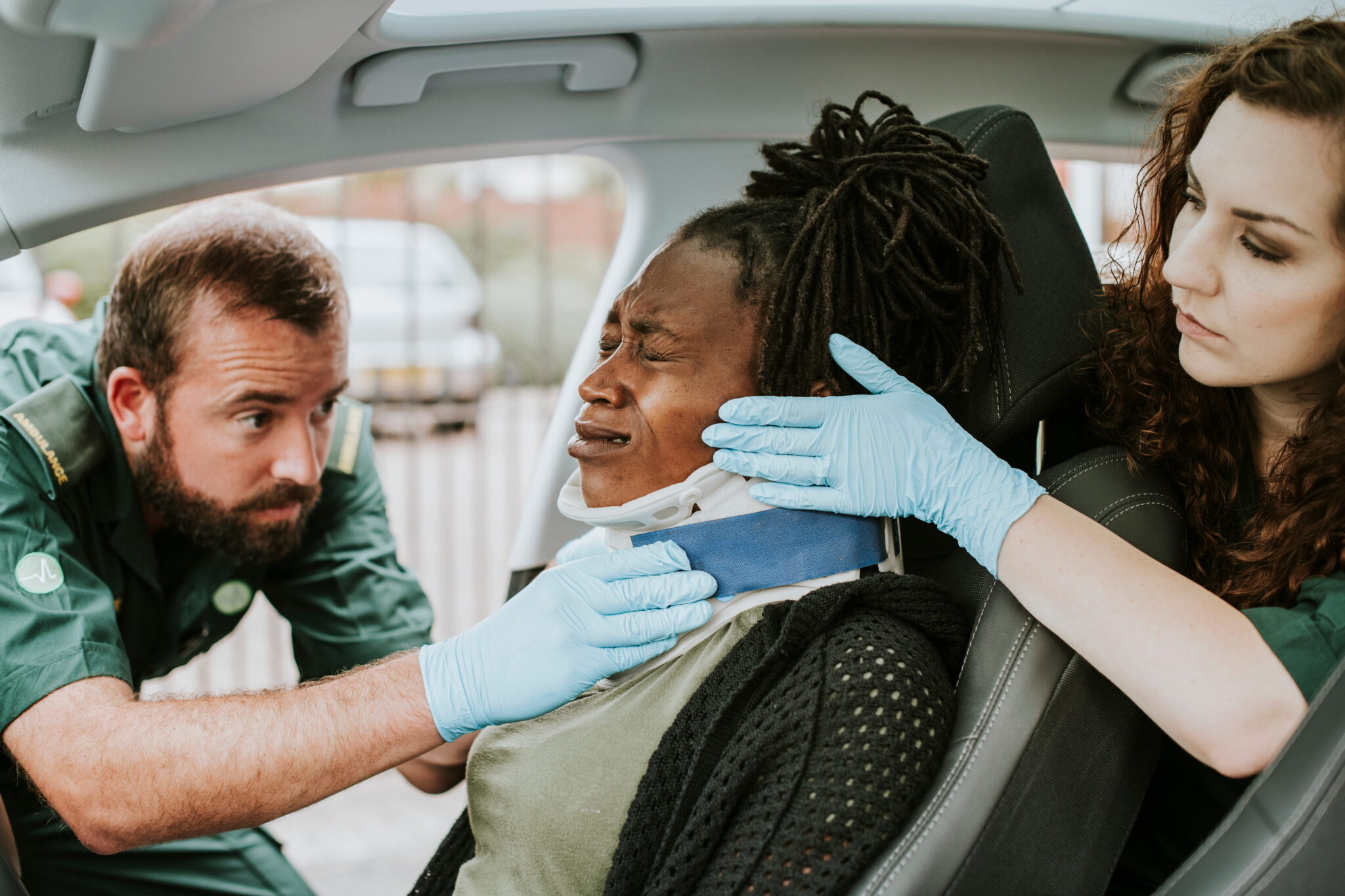
Call 911 from the scene even if the crash seems minor. Buffalo police or the New York State Police will prepare a crash report recording the vehicles, drivers, and insurance information, and insurers rely on that report in every later claim. Get examined by a doctor the same day or the next morning. No-fault insurers review treatment records closely, and a gap between the crash and your first visit may give them a reason to question the claim. New York no fault claims also carry short written notice deadlines, so the sooner the records begin, the stronger your position.
How New York rideshare insurance works by trip period
New York regulates Uber and Lyft as transportation network companies under Article 44-B of the Vehicle and Traffic Law, which governs rideshare trips outside New York City, including all of Erie County. Section 1693 sets minimum insurance for each period of a trip. When the app is off, the driver is treated like any other motorist and the driver's personal auto policy is a source of coverage. Once the driver logs in and waits for a request, the statute requires bodily injury coverage of at least $75,000 per person and $150,000 per accident, plus $25,000 for property damage. From the moment the driver accepts a trip until the passenger exits the vehicle, required liability coverage rises to at least $1.25 million, with supplementary uninsured and underinsured motorist coverage in the same amount. Every case is unique, so speak with an experienced attorney.
Your options as an injured passenger
A passenger has the strongest position in a rideshare claim. You were not driving, so your own fault is not in question, and the on trip coverage of at least $1.25 million was in force the entire time you were in the vehicle. Your no fault claim usually goes to the insurer covering the rideshare vehicle, and it pays your medical bills and part of your lost earnings while liability is sorted out. If another motorist caused the crash, you may also have a claim against that motorist's liability insurer, and a serious injury can involve more than one policy at once. William Mattar's rideshare accident lawyers can handle these multi policy claims across New York State.
If you were the other driver or a pedestrian
When a rideshare driver hits your car, your bicycle, or you in a crosswalk, the coverage available depends on the driver's app status at the moment of impact. For a fuller breakdown of which policy responds in each situation, read the firm's guide to whose insurance pays in a New York rideshare accident claim.
No fault still pays first
New York's no fault system applies to rideshare crashes the same way it applies to any other motor vehicle accident. Basic no fault benefits pay up to $50,000 per person for medical bills, a share of lost earnings, and certain other expenses regardless of who caused the crash, under the definitions in Insurance Law section 5102. To recover money for pain and suffering you must show a serious injury as defined in section 5102(d), a list that includes fractures, significant disfigurement, and several other categories. File the no fault application quickly and with the correct insurer, because an application sent to the wrong carrier can miss the short notice period which can affect your ability to get necessary treatment.
Where a Buffalo rideshare case is filed
Most rideshare claims settle with insurers, but when a lawsuit is needed for a Buffalo crash it is usually filed in the Supreme Court in Erie County. Rideshare crashes concentrate where pickups concentrate, including downtown Buffalo, Canalside, the Elmwood Village, Allentown, the Chippewa Street entertainment district, and the airport corridor in Cheektowaga. A local case also means local records, from the police crash report to treatment records at ECMC or Buffalo General. William Mattar's Buffalo rideshare accident lawyers work these cases from a Western New York base, with the firm's principal office in nearby Williamsville.
Frequently asked questions
What insurance pays if my Uber driver crashes in Buffalo?
It depends on the trip period. During your trip, liability coverage of at least $1.25 million is required under Vehicle and Traffic Law Section 1693. Your medical bills start under no fault through the insurer covering the rideshare vehicle, and liability claims then follow against whichever driver caused the crash.
Does no fault cover me as a rideshare passenger in New York?
Yes. No fault benefits pay at least $50,000 per person for medical bills and a share of lost earnings regardless of fault. If you have APIP or OBEL coverage, that amount can be increased.
Do I need a lawyer for an Uber or Lyft accident in Buffalo?
If you were injured, a lawyer matters because rideshare claims involve tiered insurance policies, app data that must be demanded from the company, short no fault deadlines, and New York's serious injury threshold. Case reviews at motor vehicle firms are free, so asking costs nothing.
Were you hurt in an Uber or Lyft accident in Buffalo or anywhere in Erie County? The attorneys at William Mattar Accident Lawyers are available 24/7 with no fee unless you recover. Call (844) 444-4444. Offices and intake locations across New York State.
About William Mattar Accident Lawyers
William Mattar Accident Lawyers is a New York law firm that only handles motor vehicle accident cases and has represented injured people for over 30 years. The firm’s principal office is in Williamsville, with offices and intake locations throughout New York State. Free case reviews available 24/7 at (844) 444-4444.
Related reading from William Mattar
- Rideshare Accidents in New York
- How Much Does a Lawyer Cost for a Car Accident in New York
- Whose Insurance Pays? A Complete Guide to a New York Rideshare Accident Claim
Each of the above is part of William Mattar’s New York State accident resource library.
Sources
- New York Vehicle and Traffic Law section 1693, financial responsibility of transportation network companies, nysenate.gov
- New York Insurance Law section 5102, definitions including basic economic loss and serious injury, nysenate.gov
- William Mattar Accident Lawyers, Buffalo Rideshare Accident Lawyer and Rideshare Accident Lawyers pages, williammattar.com, reviewed July 2026
- William Mattar Accident Lawyers, Whose Insurance Pays? A Complete Guide to a New York Rideshare Accident Claim, williammattar.com, reviewed July 2026
Attorney Advertising. This article provides general information about New York law and is not legal advice for any specific situation. Prior results do not guarantee a similar outcome. Last updated July 2026.