After a car accident, one of the most pressing questions is who will be held responsible. Determining fault affects the outcome of insurance claims and influences whether an injured party can recover compensation for medical costs, lost wages, and property damage, and speaking with a New York car accident lawyer can help you understand liability and protect your right to compensation.
While fault may seem evident at the scene, legal liability often depends on evidence, traffic laws, and the actions of all parties involved. This blog by William Mattar Accident Lawyers explains how to tell who is at fault in a car accident, what factors influence liability, and how individuals can protect their interests following a collision.
Why Fault Matters After a Car Accident
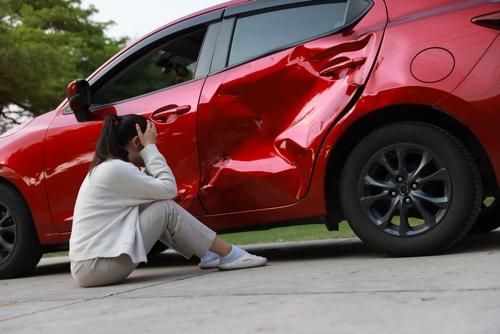
Liability directly affects the amount of compensation an injured person may receive. Insurance companies examine fault to decide whether to approve or deny claims, how much to offer, and whether to pursue recovery from another party's insurer, and understanding what do car accident lawyers do can help you see how an attorney gathers evidence and negotiates to protect your right to fair payment.
In some states, including New York, comparative negligence rules allow injured drivers or passengers to recover damages even if they are partially responsible. However, the amount of compensation may be reduced in proportion to their share of fault.
Disputes often arise when insurance carriers assign fault without reviewing all available evidence. Understanding how fault is determined can help injured parties decide what steps to take and whether to seek legal support.
Typical Methods Used to Determine Fault
There is no single method used to establish fault in every car accident. Instead, insurers, law enforcement, and legal representatives rely on a combination of tools and documentation to piece together what occurred. The most common sources include details that later become critical if you decide to pursue a car accident lawsuit, since each piece of evidence—police reports, witness statements, and photos—can directly support your claim and strengthen your case in court.
Police Reports
These documents often contain a summary of the incident, witness accounts, and the officer's opinion. Diagrams and citations may also be included. While helpful, police reports are not final determinations of legal liability.
Traffic Law Violations
If a driver runs a red light, fails to yield, or makes an illegal turn, that violation may strongly indicate fault. Citations issued at the scene can be used as evidence.
Witness Statements
Independent eyewitnesses may provide valuable context. They can describe vehicle speeds, traffic signal status, and road conditions that support or contradict the drivers' accounts.
Photographic and Video Evidence
Images of vehicle damage, skid marks, traffic signs, and road layout can clarify the sequence of events. When available, dashcam footage and surveillance video are especially persuasive.
Damage Patterns and Vehicle Positioning
Accident reconstruction legal professionals often rely on the physics of impact, vehicle placement, and damage points to confirm how the crash occurred.
Insurance Company Investigations
Adjusters review all collected information, conduct interviews, and may visit the crash site. Their assessment can affect whether a claim is approved or contested.
Each of these tools has strengths and limitations. The best outcomes typically result from thorough evidence collection and consistent documentation.
How Are Police Reports Used to Determine Fault?
Police reports often serve as a starting point for insurance investigations. Although officers typically do not witness the accident, they gather information from drivers, passengers, and witnesses while documenting road conditions, weather, and visible injuries. These observations are then compiled into an official report that may influence how fault is evaluated, and they often highlight patterns tied to the high cause car accidents seen on busy New York roads, such as distracted driving, speeding, or failure to yield.
Police accident reports usually include:
- A written narrative of the incident
- A diagram or sketch of vehicle positions
- Citations issued, if any
- Statements from involved parties
- Initial impressions about fault
While police observations may carry weight, they are not always legally binding or definitive. Officers often rely on conflicting accounts, and factual errors can also appear in the report.
Injured parties can request a correction if the report contains inaccuracies. Supporting documentation, such as photographs or video footage, can help support such requests. Insurance companies may review the report alongside other evidence, but are not required to accept its conclusions.
In legal proceedings, a police report may be admissible as evidence but is subject to challenge like any other document. It should be viewed as one part of a broader evaluation of liability.
Rear-End Collisions: Who Is Usually at Fault?
In most rear-end accidents, the driver of the trailing vehicle is presumed to be at fault. Traffic laws require drivers to maintain a safe following distance and adjust their speed based on traffic flow, weather, and road conditions.
Common causes of rear-end collisions include:
- Distracted driving
- Tailgating
- Sudden braking
- Adverse weather
- Faulty brakes or equipment failure
However, fault is not automatic. There are exceptions where the lead vehicle may share or bear full responsibility. Examples include:
- A driver slamming on the brakes to avoid missing a turn with no signal
- A distracted driver who misjudges traffic and stops abruptly
- A driver who intentionally brake checks another vehicle
Video footage, skid mark analysis, and witness testimony often determines whether the presumption of fault should apply.
Insurance adjusters may rely on this presumption during their investigation, but injured drivers can contest it with supporting evidence. Legal support may help identify fault more accurately in cases involving injuries and protect the right to compensation, and a skilled attorney can explain what a lawyer do for you after a car accident, from gathering evidence to negotiating with insurers for a fair settlement.
Fault in Left-Turn and Intersection Accidents
Accidents during left turns or at intersections often involve conflicting accounts of timing and right of way. These crashes frequently result in serious injuries due to the angle and speed of impact.
Generally, a vehicle making a left turn must yield to oncoming traffic unless a traffic signal or sign provides otherwise. The turning driver is often presumed to be at fault in a collision because of the prohibition against unsafe turning.
However, this assumption does not always apply. Exceptions can potentially include:
- The oncoming driver ran a red light or stop sign
- The oncoming vehicle was speeding
- The turning driver had a protected green arrow
- Another driver blocked the view of approaching traffic
Intersection accidents may also involve multiple parties. Fault may be divided among two or more drivers, particularly if one failed to yield and another entered the intersection illegally.
Intersection design can also play a role. Poor signage, obstructed views, or confusing lane markings may contribute to the incident. These factors may shift partial liability to a municipality or property owner depending on the circumstances, which is why it is often wise to hire an attorney after a car accident to investigate roadway conditions and pursue all responsible parties.
Accident diagrams, signal timing data, and witness statements are often needed to establish how and why the crash occurred. An independent investigation may be appropriate when these records are incomplete or disputed.
Multi-Vehicle and Chain-Reaction Collisions
Determining fault in collisions involving three or more vehicles requires careful analysis of timing and sequence. These accidents may unfold in seconds but involve multiple points of impact and differing levels of responsibility.
The most common scenario involves a chain-reaction rear-end collision. For example:
- Car A is stopped in traffic.
- Car B rear-ends Car A.
- Car C hits Car B from behind.
In such a case, Car B may be liable to Car A, while Car C may be liable to Car B and Car A, depending on the impact force and whether there was an adequate stopping distance.
Other multi-vehicle scenarios include:
- Merging or lane-change collisions involving multiple cars
- Pileups caused by one vehicle losing control
- Intersections where several cars attempt to proceed simultaneously
Establishing liability requires detailed evidence: crash site measurements, impact analysis, and witness reports. In many cases, more than one driver is responsible. The degree of liability assigned to each party may affect how damages are recovered.
These collisions often result in multiple insurance claims, cross-claims, or lawsuits against third parties. Injured drivers and passengers should retain all documents, take photos if possible, and report the incident to their insurers as soon as possible, and understanding how can a car accident lawyer help can be critical for managing these complex claims and protecting your right to full compensation.
Comparative Negligence and Shared Fault Rules
New York applies a pure comparative negligence system. This means that even if an injured party is partially responsible for a crash, they may still recover damages. Their percentage of fault will reduce the amount of the award.
Comparative negligence applies to various accident types, including:
- Rear-end collisions where the lead driver contributed by stopping abruptly
- Intersection crashes involving simultaneous violations
- Multi-vehicle pile ups with unclear timing or cause
Fault percentages are typically assigned based on evidence gathered during the claim investigation or trial. Insurance companies may argue for higher fault percentages to limit payout amounts. Strong documentation and legal support may reduce this impact, and learning how to get a car accident claim started with professional guidance can help protect your compensation.
This rule differs from contributory negligence systems used in other states, where even slight fault may bar recovery. In New York, the focus remains on comparative fault.
What Evidence Helps Establish Fault in Car Accidents?

Establishing fault in a car accident often depends on the quality and availability of evidence. While verbal statements offer a narrative, physical and visual documentation provides more reliable event confirmation.
Photographs and Video Footage
Photos of the accident scene, vehicle damage, road markings, debris, and weather conditions can help establish speed, impact angles, and road use patterns. Dashcam and traffic camera footage are particularly helpful in confirming light changes, driver behavior, and the timing of collisions.
Physical Evidence at the Scene
Skid marks, vehicle positions, and debris fields can be used to reconstruct how the accident unfolded. legal professionals may rely on this data to evaluate stopping distances or determine whether evasive action was attempted.
Vehicle Damage Reports
Repair estimates and structural damage assessments may reveal the point of impact and direction of force. In multi-vehicle accidents, this helps clarify the sequence of collisions.
Witness Testimony
Statements from independent witnesses carry significant weight, especially when both drivers offer conflicting accounts. Witnesses can confirm speed, signal usage, or lane departures.
Event Data Recorders (EDRs)
Some vehicles contain black box technology that records speed, braking, and steering inputs. This information can validate or challenge driver statements.
Medical Records
Injury patterns may help establish the nature of the impact. For instance, seatbelt related injuries may show the direction and force of the collision.
Gathering this evidence promptly reduces the risk of loss or degradation. Photos may be deleted, witnesses may become unavailable, and road conditions may change. Timely collection strengthens the foundation for any claim or legal action, and understanding can I make a car accident claim is essential so you know how this documentation supports your right to compensation.
What to Do If Liability Is Disputed
Disputed liability can delay compensation and reduce the chance of a fair settlement. If the other party or insurer contests responsibility, the injured driver must take additional steps to protect their claim.
Avoid Fault Admissions
Even casual comments at the scene or during recorded statements can be manipulated to shift liability. It is essential to provide factual statements and avoid assigning blame or accepting responsibility before a full investigation is complete.
Request a Copy of the Police Report
The official report often influences how insurers process the claim. Review it for accuracy and file an amendment request if key facts are missing or incorrect.
Preserve All Communications
Maintain copies of emails, claim correspondence, and any text messages with the other party or witnesses. These communications may reveal admissions, inconsistencies, or other relevant details.
Secure Supporting Evidence
Continue collecting documentation after the incident, such as repair estimates, follow-up medical records, and documentation of missed work. These records reinforce the scope of damages and demonstrate proactive case management.
Do Not Rely Solely on Insurance Assessments
Insurers may attempt to assign fault in a manner that minimizes payout. A third-party evaluation may provide a more balanced view, especially if new evidence emerges or state traffic laws are misapplied.
In disputed claims, documentation becomes more important than perception. Consistency, recordkeeping, and informed communication all contribute to a stronger position, and asking can I make a car accident claim in New York helps you understand how thorough evidence supports your right to pursue compensation.
When Legal Representation May Be Appropriate After a Car Accident
Legal representation can assist when fault is unclear, contested, or misattributed. The following circumstances often benefit from legal review:
- The police report assigns fault inaccurately
- There are injuries requiring long-term medical care
- The insurance company denies the claim or offers a low settlement
- The accident involves commercial vehicles or government entities
- The injured person has lost income or suffered permanent limitations
- There is evidence of shared fault, and liability percentages matter
Experienced New York car accident lawyer can identify applicable statutes, assess the strength of a claim, and coordinate additional investigations. They can also communicate directly with insurers, reducing the risk of misstatements or missed deadlines.
Legal representation can improve the chances of a fair outcome in accidents involving multiple parties or disputed liability. A consultation allows injured individuals to assess their options better and determine the most appropriate course of action.
Contact a New York Car Accident Lawyer To Help Determine Fault in an Accident

Establishing fault after a collision is not always straightforward. Liability often depends on traffic laws, available evidence, and drivers' actions, not just initial impressions. Sometimes, responsibility may be shared or shifted as new information becomes available.
If you were involved in a car accident and believe the facts are being overlooked or misinterpreted, legal representation may help clarify your position. Reviewing the police report, witness statements, and other documentation can provide a clearer picture of what happened and help assess liability.
Call (844) 444-4444 or fill out a free consultation form to speak with a skilled car accident lawyer in New York about your situation. Find out how the team at William Mattar Accident Lawyers can help you today.