After a bicycle accident, one of the most pressing questions on your mind is likely about the financial compensation you might receive. The value of a bicycle accident claim depends on numerous factors, from the severity of your injuries to the circumstances surrounding the crash.
Bicycle accidents often result in more severe injuries than typical car accidents due to the lack of protection cyclists have. Unlike motor vehicle occupants who benefit from airbags, seatbelts, and metal frames, cyclists are vulnerable to direct impact with vehicles, pavement, and other objects. This vulnerability frequently leads to significant medical expenses, lost wages, and long-term consequences that extend far beyond the initial accident. Working with a New York bicycle accident lawyer can help injured cyclists pursue compensation for their injuries and hold negligent drivers accountable.
How much a bicycle accident is worth depends heavily on several key factors that insurance companies and legal professionals carefully evaluate.
Table of contents
- Understanding the Components of Bicycle Accident Compensation
- The Role of New York's No-Fault Insurance
- How Does Shared Fault Affect My Compensation in New York?
- Why a Quick Settlement Offer Might Not Be in Your Best Interest
- When to Consider Legal Representation
- Actions to Take at Home After a Bicycle Accident
- Bicycle Accident Claim Values FAQs
- Take Action Today to Protect Your Rights
Understanding the Components of Bicycle Accident Compensation
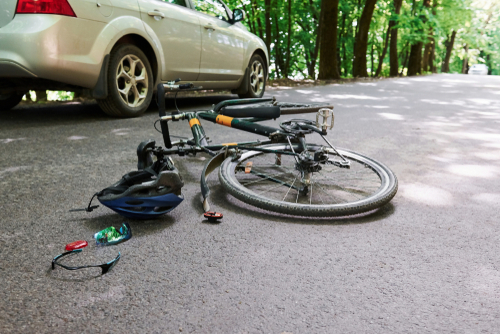
Your bicycle accident claim typically includes several types of damages that reflect both your immediate and long-term losses. These include:
Medical Costs
Medical expenses form the foundation of most claims, covering everything from emergency room visits to ongoing rehabilitation. These costs can quickly accumulate, especially when dealing with serious injuries common in bicycle accidents. Some of these costs will generally be covered by no-fault insurance. Understanding how long a bicycle accident claim take can help you plan your recovery and manage expectations while your case is being processed.
Lost Income
Lost wages represent another substantial component of your compensation. When your injuries prevent you from working, you lose income that would have supported you and your family. This category includes not only the wages you've already lost but also future earning capacity if your injuries result in long-term or permanent disability. Some of these costs will generally be covered by no-fault insurance.
Pain and Suffering
Pain and suffering damages acknowledge the physical discomfort and emotional trauma you've experienced. These non-economic damages can be challenging to quantify but are equally important in reflecting the true impact of your accident. The severity of your injuries, duration of recovery, and effect on your daily life all influence this portion of your compensation.
Damaged Property
Property damage covers the cost of repairing or replacing your bicycle and any other personal items damaged in the accident. While this might seem minor compared to medical expenses, quality bicycles and cycling equipment can be expensive to replace.
The Role of New York's No-Fault Insurance
For cyclists in New York State, a collision with a motor vehicle is governed by the state's No-Fault insurance system. This means that the insurance policy of the vehicle that hit you is responsible for paying your initial medical bills and a portion of your lost wages, up to the policy limits, regardless of who was at fault for the accident. This is accomplished through Personal Injury Protection, or PIP, coverage. Understanding how compensation for a bicycle accident works under this system is essential to ensure you receive all the benefits and payments you are entitled to.
However, the No-Fault system limits your ability to seek compensation for pain and suffering from the at-fault driver unless your injuries meet the state's "serious injury" threshold. To pursue a personal injury claim for damages beyond your basic economic losses, your injury must qualify under one of the specific categories defined by New York law (some of the categories below are paraphrased):
- Death
- Dismemberment
- Significant disfigurement
- A fracture
- Loss of a fetus
- Permanent loss of use of a body organ, member, function, or system
- Permanent consequential limitation of use of a body organ or member
- Significant limitation of use of a body function or system
- A medically determined injury that prevents you from performing your usual daily activities for at least 90 of the 180 days following the accident
Meeting this criteria is necessary to step outside the No-Fault system and pursue a claim for the full measure of your losses.
How Does Shared Fault Affect My Compensation in New York?
It is common for an insurance company to argue that the cyclist was partially to blame for the accident. In New York, this does not prevent you from recovering compensation. The state follows a "pure comparative negligence" rule, which means you can seek damages even if you were partially at fault. Your total compensation award will simply be reduced by your percentage of fault. Many common bicycle accident injuries—such as fractures, concussions, and road rash—can still lead to substantial compensation even when partial fault is assigned.
For example, if your damages total $100,000 but you are found to be 15% responsible for the crash, your final recovery would be reduced by 15%, leaving you with $85,000. Insurance adjusters may try to place blame on you for a number of reasons to reduce the amount they have to pay.
- They might argue you were not visible enough, perhaps due to a lack of reflective gear or lights at night.
- They may claim you were not following traffic laws, such as failing to stop at a sign or riding against the flow of traffic.
- They could even suggest you made an unpredictable movement, even if you were trying to avoid a road hazard.
Understanding how your own actions might be perceived is an important part of navigating a bicycle accident claim.
Why a Quick Settlement Offer Might Not Be in Your Best Interest
Shortly after the accident, you may receive a call from the at-fault driver's insurance adjuster with a settlement offer. While the prospect of receiving money quickly can be tempting, especially when bills are piling up, accepting an early offer is often a mistake. Insurance companies are businesses, and their goal is to resolve claims for the lowest amount possible. The first offer is rarely a reflection of what your bicycle accident is truly worth.
There are several critical reasons to be cautious about a quick settlement.
- The Full Extent of Your Injuries is Unknown: Some serious injuries, like traumatic brain injuries or internal damage, may not show symptoms immediately. It can take weeks or even months to understand the full scope of your medical needs and the potential for long-term complications.
- Future Costs Have Not Been Calculated: A quick offer will not account for future medical treatments, such as additional surgeries, ongoing physical therapy, or long-term prescription costs. It also fails to consider the full impact on your ability to earn a living in the future.
- You Waive Your Rights to Further Compensation: Once you accept a settlement, you sign a release form that forever bars you from seeking additional money for your injuries from that accident. If your condition worsens or you discover you need more treatment, you cannot go back and ask for more.
Giving yourself time to fully understand your prognosis is essential before considering any settlement offer.
When to Consider Legal Representation

While minor bicycle accidents might be handled without legal assistance, more serious cases benefit significantly from professional representation. Consider contacting a personal injury attorney if your injuries required hospitalization, surgery, or extensive medical treatment. Legal representation becomes essential when dealing with permanent disabilities or long-term care needs. The risk of bicycle accidents increases in areas with heavy traffic or poor visibility, making it vital for injured cyclists to have legal support to protect their rights.
Complex liability situations also warrant legal assistance. If multiple vehicles were involved, if the driver's insurance company denies fault, or if you're being blamed for the accident, an attorney can investigate the circumstances and build a strong case on your behalf.
Legal representation proves particularly valuable when dealing with insurance companies that refuse to make reasonable settlement offers. Attorneys understand the true value of bicycle accident claims and can negotiate more effectively than accident victims representing themselves.
The timing of legal consultation matters significantly. Evidence from accident scenes can disappear quickly, and witness memories fade over time. Many attorneys offer free consultations, allowing you to understand your options without financial commitment.
Actions to Take at Home After a Bicycle Accident
Once you have received emergency medical attention and are recovering at home, your focus may shift to the long-term impact of the crash. The steps you take during this period can be very helpful in documenting the extent of your losses and supporting your claim for fair compensation. Experienced bicycle accident lawyers provide safety tips for cyclists to help prevent future collisions, such as wearing reflective gear, following traffic laws, and maintaining visibility on busy roads.
- Organize All Documentation: Create a dedicated folder for all accident-related paperwork. This should include medical bills, pharmacy receipts, co-pay records, and correspondence from any insurance company. If you are missing work, keep copies of pay stubs and a letter from your employer confirming your time off and rate of pay.
- Preserve Physical Evidence if possible: Do not get your bicycle repaired or throw away your damaged helmet, torn clothing, or broken phone. These items serve as tangible proof of the force of the impact and can be valuable evidence in establishing the severity of the accident.
Taking these organizational steps can help build a clear and comprehensive picture of how the bicycle accident has affected you.
Bicycle Accident Claim Values FAQs
Here are answers to some common questions people have when trying to understand the value of their bicycle accident claim.
What if the driver who hit me was uninsured or left the scene?
If you are injured in a hit-and-run or by a driver without insurance, you may still be able to recover compensation. You might be able to file a claim through the uninsured/underinsured motorist (UM/SUM) coverage on your own auto insurance policy, if you have one. If you do not own a vehicle, you may be covered by the policy of a relative you live with or through New York's Motor Vehicle Accident Indemnification Corporation (MVAIC).
How long do I have to file a bicycle accident claim in New York?
In New York, the statute of limitations for filing a personal injury lawsuit is generally three years from the date of the accident. For No-Fault benefits, you typically have only 30 days to file your application. There are some exceptions to these deadlines, including limited notice of claim deadlines, so it is important to understand the specific time limits that apply to your situation.
Will my personal health insurance cover my bills?
In a New York bicycle accident involving a motor vehicle, the vehicle's No-Fault insurance is the primary payor.
Can I still receive compensation if I was not wearing a helmet?
While wearing a helmet is always recommended for safety, New York law does not require adults to wear one. Not wearing a helmet does not prevent you from filing a claim. However, an insurance company may argue that your head injuries are more severe because you were not wearing one and try to use this to reduce your compensation under the comparative negligence/failure to mitigate damages rule.
What if my accident happened in a designated bike lane in a city like Albany or Syracuse?
Accidents in bike lanes can still involve complex questions of fault. While a cyclist in a bike lane generally has the right-of-way, a driver may argue that you suddenly swerved or that they could not see you. The presence of a bike lane is strong evidence in your favor, but it does not automatically guarantee the other party will be found 100% at fault.
Take Action Today to Protect Your Rights

A bicycle accident is a difficult and stressful experience, with the pressure of dealing with insurance companies, mounting medical bills, and lost income. You do not have to face this journey alone.
At William Mattar Accident Lawyers our practice is focused on helping people injured in motor vehicle accidents. Our team of attorneys is dedicated to advocating for injured victims across New York State. We understand the challenges you are facing and are committed to helping you pursue the financial resources you need to move forward.
Don't let valuable time slip away. Contact William Mattar Accident Lawyers today at (716) 444-4444 or through our online form for a free, no-obligation consultation. Let our large, established team get to work for you today and take the first step toward full and fair compensation.