New York Drunk Driving Accident Lawyer
If you were injured by an intoxicated driver in New York, two legal pathways kick into gear: the criminal case, and the civil claim.
The criminal case may result in fines, license suspension, or even jail time for the driver, but none of that pays your medical bills or the income you've lost while recovering, which is why a New York drunk driving accident lawyer can help you pursue compensation through a separate civil claim. Criminal courts punish behavior but do not necessarily offer compensation to injury victims.
That's what a civil claim is for. New York law allows you to pursue compensation directly from the driver who caused your injuries, and in some cases, from other parties who share responsibility. But timing matters. Insurance companies move quickly on drunk driving claims, often pushing for early settlements before you fully understand how your injuries will affect your life six months or two years from now.
We will help with answering questions about medical bills, lost wages, and hold the responsible parties accountable. Contact William Mattar Accident Lawyers today at (844) 444-4444 for a free, no-obligation consultation about your case.
Why Choose William Mattar Accident Lawyers?

Since 1990, our firm has focused its practice on motor vehicle accidents. We do not dabble in every area of law; we specifically focus on helping car accident victims. This focus allows us to understand the deep nuances of New York’s traffic laws.
- Founder: William Mattar founded the firm in Williamsville, NY, and has grown it into a premier injury firm serving the entire state.
- Results: We have collected millions of dollars for our clients.
- Community: We are deeply rooted in Upstate New York.
We operate on a No Fee Until We Win℠ basis. This means you pay no attorneys’ fee upfront for our legal services. We only get paid an attorneys’ fee if we secure compensation for you.
While our principal office is located at 6720 Main St., Suite 100 in Williamsville (just outside Buffalo), we serve clients across New York State, with offices in Rochester, Syracuse, Albany, and New York City, and we can assist with filing a drunk driving accident lawsuit no matter where the crash occurred.
Compensation After a Drunk Driving Accident
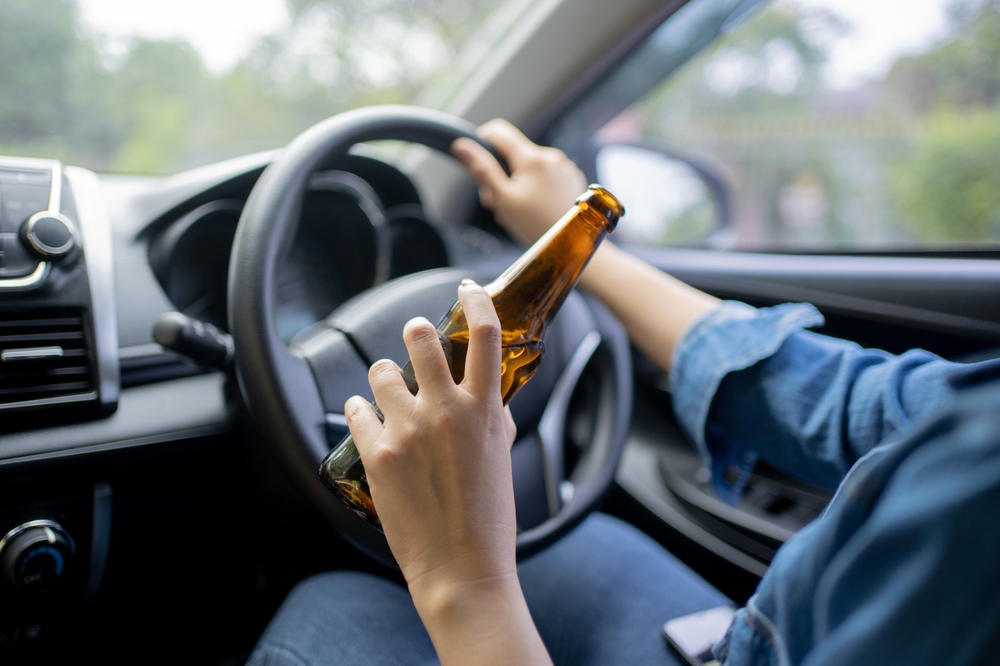
In New York, No-Fault insurance, also called Personal Injury Protection (PIP), provides initial coverage. However, it only covers up to $50,000 in basic economic loss. Once you burn through this limit, or if you have severe non-economic damages like pain and suffering, you are left vulnerable as medical bills continue to pile up.
A personal injury lawsuit allows you to pursue compensation far beyond the basic No-Fault limits. A successful claim provides recovery from three distinct categories of damages.
Economic Damages
This category covers all objective and verifiable financial losses. No-fault insurance only covers some economic losses. Economic damages include:
- Past and future medical bills: From the initial emergency room visit to ongoing physical therapy and potential future surgeries.
- Lost wages: Compensation for the time you were unable to work while recovering.
- Loss of earning capacity: If your injuries prevent you from returning to your previous job or working at the same level, this compensates for the difference in your lifetime earnings.
Non-Economic Damages
These damages cover losses that impact your quality of life. They are harder to quantify but are just as real as any medical bill. Examples include:
- Pain and suffering: For the physical pain and discomfort caused by your injuries.
- Loss of enjoyment of life: Compensation for the inability to participate in hobbies, activities, and life events that once brought you joy.
- Emotional distress: For the anxiety, fear, depression, and other psychological impacts of the trauma.
Punitive Damages (A Key Factor in DUI Cases)
This is where drunk driving cases diverge significantly from standard negligence claims. New York courts may award punitive damages not to compensate the victim, but to punish the defendant for their reckless behavior.
These damages are awarded in cases where the defendant acted with "willful and wanton" disregard for the safety of others—a key hallmark of drunk driving and a common factor in drunk driving car accidents in New York. An experienced New York drunk driving accident lawyer will know how to effectively argue for punitive damages, which substantially increases the total value of your claim.
The Serious Injury Threshold in New York
Generally speaking, to step outside of the No-Fault system and sue for non-economic damages, your injury must meet New York’s serious injury threshold as defined in the NY Insurance Law § 5102(d). An injury qualifies as serious if it results in one of the following:
- Death
- Dismemberment
- Significant disfigurement
- A fracture
- Loss of a fetus
- Permanent loss of use of a body organ, member, function, or system
- Permanent consequential limitation of use of a body organ or member
- A significant limitation of use of a body function or system
- An impairment that prevents you from performing your usual daily activities for at least 90 out of the 180 days following the crash (to paraphrase).
Where Do Drunk Driving Accidents Occur in New York?
Drunk driving is a problem that affects every corner of New York State. While urban centers see many accidents, rural roads in counties like Erie, Monroe, and Onondaga can be the site of higher-speed DUI crashes due to less traffic and a lower police presence, especially at night.
Upstate New York Hotspots
High-traffic corridors are frequent locations for severe collisions. These include major highways where an impaired driver’s slowed reaction time is catastrophic:
- The I-90 (New York State Thruway)
- The I-290 and other beltways around major cities
- State routes which pass through numerous towns and cities
Understanding Drunk Driving Accident Law
Common Types of Drunk Driving Accidents

Impairment from alcohol affects judgment, coordination, and reaction time, leading to specific types of devastating crashes:
- Head-On Collisions: Caused by drunk drivers drifting across the center line or, in extreme cases, entering a highway on the wrong ramp and driving against traffic.
- T-Bone (Side-Impact) Collisions: Impaired drivers sometimes run red lights or stop signs, crashing directly into the side of a vehicle that has the right of way.
- Rear-End Collisions: An intoxicated driver’s inability to correctly judge stopping distances leads to high-speed rear-end impacts.
Common Injuries in DUI Crashes
The high speeds and reckless nature of these collisions result in catastrophic injuries, including:
- Traumatic Brain Injuries (TBI): A TBI is an injury caused by a blow or jolt to the head that disrupts the normal function of the brain.
- Spinal Cord Injuries: Damage to the spinal cord results in permanent changes in strength, sensation, and other body functions below the site of the injury, potentially leading to paralysis.
- Internal Organ Damage: The blunt force trauma of a crash causes severe damage to vital organs.
- Complex Fractures: Broken bones that may require extensive surgery, pins, plates, and long-term rehabilitation.
Relevant New York Laws and Statutes
- VTL § 1192: This is New York’s primary Vehicle and Traffic Law that defines the offenses of Driving While Ability Impaired (DWAI) and Driving While Intoxicated (DWI).
- General Obligations Law § 11-101 (Dram Shop Act): This statute allows you to hold a third party accountable. You may sue a bar, restaurant, or other establishment that unlawfully sold alcohol to a visibly intoxicated person who then caused your injuries.
- Negligence Per Se: This is a legal doctrine that simplifies your case. If the other driver is convicted of DWI, their violation of the law is treated as automatic proof of negligence in your civil lawsuit.
The Statute of Limitations is Not Always Three Years
In New York, you generally have three years from the date of the accident to file a personal injury lawsuit.
However, if a government or municipal entity was involved, such as if you were hit by a city-owned vehicle or a police car, you have a strict 90-day deadline to file a Notice of Claim, which can be especially important when being injured by a drunk driver involves a public vehicle. Failing to meet this short deadline permanently bars you from recovering compensation. Every case is unique and should be examined by an experienced attorney as soon as possible.
Dealing with the Insurance Company
Shortly after the accident, you will likely be contacted by an insurance adjuster from the at-fault driver's insurance company. The adjuster may sound friendly and concerned, but they work for a business that must balance paying claims with making a profit. Their objective is to resolve your claim for the lowest possible amount.
Insurers know that claims involving a drunk driver are particularly risky for them. The driver's liability is usually clear, and the potential for a large jury verdict including punitive damages is high. Because of this, they may offer a quick, lowball settlement to make the case go away before you consult a lawyer and understand the true value of your claim.
Here’s What to Look Out For:
- Early Settlement Offers: These offers are almost always made before the full extent of your injuries is known. You may not yet know if you need future surgery or how long your recovery will take. Accepting an early offer requires you to sign a release, which prevents you from seeking any more money for your injuries, even if they worsen.
- Requests for a Recorded Statement: The adjuster may ask you to provide a recorded statement about the accident. Their goal is to find information they will use against you, such as getting you to admit partial fault or to downplay the severity of your pain. You are not obligated to provide a recorded statement.
- Delay Tactics: The personal injury claim process is long and filled with paperwork. In some cases, insurers may prolong the process, hoping that as your bills mount, you will become frustrated and desperate enough to accept an inadequate settlement.
Our role is to protect you from these tactics, especially when drunk driving cause accidents that lead to serious injuries and aggressive insurance defenses. Once you retain our firm, we handle communications with the bodily injury liability insurance companies. We will conduct our own investigation, calculate the full value of your claim (including future needs and punitive damages), and negotiate for a fair result. If a fair offer is not made, a New York drunk driving accident lawyer from our office will be prepared to take your case to court.
FAQ for New York Drunk Driving Accidents
Can I sue the drunk driver if they were acquitted in criminal court?
Yes. The standard of proof is different in civil and criminal court.
To convict someone of a crime, the prosecutor must prove guilt "beyond a reasonable doubt," which is a very high bar. But in a civil lawsuit for compensation, you only need to prove your case by a "preponderance of the evidence," which simply means it is more likely than not that the driver's negligence caused your injuries. A criminal acquittal does not prevent you from succeeding in a civil claim.
What if the drunk driver was uninsured or fled the scene?
If you were the victim of a hit-and-run or were hit by a driver without insurance, you are not out of options. We can help you file a claim under your own auto insurance policy's Uninsured Motorist (UM) coverage or Supplemental Uninsured Motorist (SUM) coverage.. This is coverage you pay for specifically to protect yourself in this exact situation.
Can I sue the bar that served the driver?
Yes, under certain circumstances. New York's Dram Shop Act allows you to sue an establishment if you prove they served alcohol to a person who was visibly intoxicated or to a minor who then caused the accident. Proving this requires a thorough investigation, including witness statements and receipts, which is work best handled by an experienced attorney.
I was a passenger in the drunk driver's car. Can I still sue?
Generally, yes. As a passenger, you typically have a valid claim against the driver of the vehicle you were in. However, the insurance company for the driver may argue that you assumed the risk by getting into a car with someone you knew or should have known was impaired. An experienced attorney can help you combat these types of arguments.
Don’t Let the Drunk Driver’s Recklessness Define Your Future
The insurance system is structured to protect the assets of the at-fault parties, not to ensure your complete recovery. Filing a claim is a way to secure the financial resources you need to cover your medical care, support your family, and heal from this trauma without facing bankruptcy.
At William Mattar Accident Lawyers, we have the experience, focus, and determination to stand up to insurance companies and hold reckless drivers accountable. Let us provide you with a free case review so you understand your options and take the next step toward maximum compensation.
Call us now at (844) 444-4444.