The most common causes of pedestrian accidents in Buffalo crosswalks often involve driver negligence, such as distracted driving, failure to yield the right of way, and speeding.
When a car strikes a pedestrian at a Buffalo crosswalk, the consequences can be devastating, and understanding the cause is a critical first step in holding the responsible party accountable.
While the legal process can feel complex, a pedestrian accident attorney in Buffalo, NY, from William Mattar can provide the guidance needed to address these challenges, which is why many people choose to work with a Buffalo Pedestrian Accident Lawyer for support and clarity during the claims process.
Wondering what your legal rights and options are after being hit by a car at a crosswalk in Buffalo, New York? Schedule a free case evaluation online or at (716) 444-4444 to explore the following insights more in-depth with an award-winning personal injury law firm.
Key Takeaways About Common Causes of Pedestrian Accidents in Buffalo, NY, Crosswalks
- Driver Negligence is a Primary Factor: Most causes of Buffalo crosswalk accidents stem from driver carelessness. This includes everything from texting while driving to speeding through an intersection.
- Pedestrians Usually Have the Right-of-Way: According to Buffalo pedestrian right-of-way law (NY VTL § 1151), drivers must yield to pedestrians in marked or unmarked crosswalks. However, insurance companies often try to shift blame, making liability a key point of contention.
- "Minor" Accidents Can Cause Major Injuries: A low-speed collision can still lead to a serious injury from Buffalo crosswalk accidents. Injuries that may seem minor at first can develop into chronic conditions requiring extensive medical care.
- Proving Your Case is Complex: Establishing a successful legal claim for a crosswalk accident in Buffalo, NY, requires strong evidence. This may include witness statements, police reports, and even traffic camera evidence in Buffalo pedestrian accidents.
- Insurance Companies Will Challenge Your Claim: Insurers often attempt to minimize the compensation for crosswalk injuries in Buffalo by questioning the severity of the injury or arguing the pedestrian was at fault. William Mattar Accident Lawyers can help push back against unfair or false narratives.
- Strict Time Limits Apply: New York law imposes deadlines for filing a claim. It is crucial to act quickly to protect your right to pursue compensation.
Why Crosswalk Accidents Are Not Always Clear-Cut in Buffalo, New York
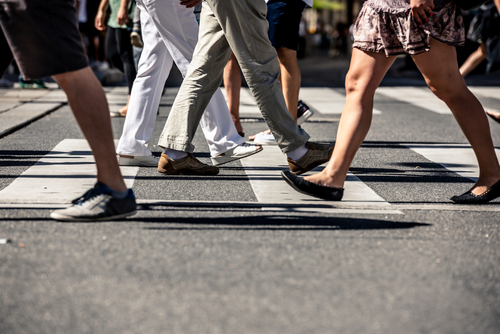
You followed the rules. You waited for the walk signal and crossed at a designated crosswalk. Yet, you were still hit by a car. Now, you are dealing with injuries, medical bills, and the stress of a situation that was not your fault. In moments like this, the steps you take after a car accident can shape the outcome of your claim and help protect your right to pursue compensation.
It is a frustrating and common scenario. Many people assume that if a pedestrian is hit in a crosswalk, the driver is automatically at fault. While drivers do have a clear duty to yield, insurance companies are skilled at finding ways to dispute liability.
They might argue that you darted out into the street, were not visible, or were distracted by your phone. This tactic is part of a larger strategy to reduce the amount they have to pay.
Suddenly, you are not only recovering from your injuries, but you are also in a position where you have to defend your actions.
This is where the process becomes challenging. Insurance issues in Buffalo pedestrian accidents can turn a seemingly straightforward case into a complex legal battle.
Common Driver Behaviors That Cause Crosswalk Accidents
Identifying the specific negligent action that caused your accident is fundamental to building a strong case. Certain areas, such as the busy corridors of Elmwood Village or along Delaware Avenue, experience a higher frequency of these incidents due to specific driver behaviors, which often becomes an important factor when evaluating an average settlement for car accident claims and how insurers value the harm you’ve suffered.
Here are some of the most frequent causes of Buffalo crosswalk accidents:
- Failure to yield: This is one of the most direct violations of a pedestrian's rights. A failure to yield in Buffalo crosswalk accidents happens when a driver proceeds through a crosswalk even when a pedestrian is present or has the signal to cross.
- Inattentive drivers: Distracted driving in Buffalo pedestrian accidents is a growing problem. Drivers who are texting, talking on the phone, or interacting with their vehicle's infotainment system are not fully aware of their surroundings, and they may not see a pedestrian until it is too late.
- Speeding and unsafe driving: Unsafe driving in Buffalo crosswalks includes speeding, aggressive lane changes, and failing to slow down in areas with heavy foot traffic. The faster a vehicle is traveling, the more severe the resulting injuries will be.
- Impaired driving: A driver under the influence of alcohol or drugs has slower reaction times and impaired judgment, making them a significant danger to pedestrians.
- Making improper turns: Many accidents happen when drivers are turning. A driver making a left turn may be focused on oncoming traffic and fail to see a pedestrian crossing the street they are turning onto.
A Buffalo pedestrian accident law firm can investigate the circumstances of your crash to pinpoint the exact cause and gather the evidence needed to hold the negligent driver accountable.
Proving Liability in Pedestrian Accident Claims
To secure fair compensation for crosswalk injuries in Buffalo, you must be able to prove that the driver was negligent and that their negligence caused your injuries. This is often the most contested part of a claim.
An experienced Buffalo injury lawyer for crosswalk cases will work to demonstrate the liability of the driver or at-fault party through a thorough assessment and gathering of the facts.
This process may involve:
- Gathering official reports: Obtaining the police report from the scene provides an official account of the incident.
- Collecting witness statements: Eyewitnesses can offer crucial testimony about the driver's actions and the moments leading up to the collision.
- Securing video evidence: Many intersections in Buffalo that are prone to pedestrian accidents are monitored by traffic or security cameras. This footage can provide indisputable proof of what happened.
- Working with accident reconstructionists: In complex cases, professionals can analyze the physical evidence to reconstruct the accident and demonstrate how the driver's actions led to the crash.
Even if you believe you were partially at fault, New York's laws on comparative negligence in Buffalo crosswalk injury claims may still allow you to recover damages. An attorney can protect you from being assigned an unfair percentage of blame in an effort to help maximize your compensation, and this becomes especially important when you are trying to understand car accident can you claim injury issues that insurers often attempt to complicate.
Common Injuries and Assessing Your Damages
Pedestrians are completely unprotected in a collision, which means the injuries sustained are often severe and life-altering. Insurance companies may try to downplay the impact of these injuries, but a dedicated legal team will work to ensure the full extent of your losses is recognized.
Some of the most common Buffalo crosswalk injury claims involve:
- Broken bones and fractures: The force of an impact can easily cause fractures in the legs, arms, hips, and pelvis.
- Traumatic brain injuries (TBIs): A pedestrian's head striking the vehicle or the pavement can lead to concussions and other serious brain injuries with long-term consequences.
- Spinal cord injuries: Damage to the spinal cord can result in chronic pain, loss of function, and even paralysis.
- Internal injuries: The blunt force trauma from a collision can cause damage to internal organs, which may not be immediately apparent.
Properly assessing damages in Buffalo crosswalk accidents goes beyond just the initial medical bills. It involves calculating the full cost of your recovery, including future medical treatment, lost income from being unable to work, and the significant pain and suffering you may endure as a result of someone else's negligent actions, which is why understanding how medical bills in a car accident factor into your total financial losses is essential.
What to Do After a Pedestrian Accident: Supporting Your Case in the Weeks Ahead

In the days and weeks following a pedestrian accident, what you do, or don't do, can have a significant impact on your legal claim.
While the initial steps, such as seeking medical attention and filing a police report, are crucial, the actions you take after the situation has settled are equally important, particularly as these choices can influence how evidence is viewed during a deposition in a car accident case in New York.
Keep Your Lawyer Updated on Any Changes
Your lawyer needs to know about any developments that could affect your case, such as:
- Changes in your medical condition: If your injuries worsen or new symptoms appear, inform your attorney immediately. Updated medical records can strengthen your claim.
- New expenses: Keep track of all accident-related costs, including medical bills, therapy sessions, and transportation to appointments. Share these with your lawyer to ensure they are included in your claim.
- Contact from the other party: If the driver, their insurer, or their attorney reaches out to you, let your lawyer know right away. They can handle appropriate communications on your behalf.
The more you update your attorney on the changes of your condition, the better able they are to document and advocate for the full extent of damages and losses suffered.
Be Cautious About Social Media and AI Use
What you post online can be used against you. Insurance companies and opposing attorneys often monitor social media for evidence that could undermine your claim.
To protect your case:
- Avoid posting about the accident: Even seemingly harmless updates can be taken out of context and misinterpreted.
- Refrain from sharing photos or videos: Images of you engaging in physical activities could be used to argue that your injuries are not as severe as claimed.
- Be mindful of AI-generated content: If you use AI tools to draft emails or posts, ensure they don't inadvertently include information that could harm your case.
Unsure what you may be able to post or chat about online during the claims process? Speak with experienced legal professionals who can provide guidance that helps keep your claim on track for maximum recovery.
Do Not Speak to Insurers Without Legal Advice
Speaking to insurance adjusters, even your own, without consulting your lawyer can jeopardize your claim. Here's why:
- Recorded statements can be used against you: Adjusters may ask leading questions designed to elicit responses that weaken your case.
- Quick settlement offers are often lowball offers: Accepting a settlement too soon could leave you without enough compensation to cover future expenses.
- Your lawyer can handle negotiations: Let your attorney communicate with the insurance company to ensure your rights are protected and your claim is valued fairly.
Legal professionals understand how to communicate with insurance companies in a way that helps protect your claim from tactics that could threaten the total compensation you may be able to recover.
Trust Your Lawyer's Guidance
Your lawyer is your advocate and guide throughout this process. By following their advice and keeping them informed, you can help them build the strongest possible case on your behalf, which is particularly important when a passenger in a car accident get pulled into questions about fault or coverage. This partnership allows you to focus on your recovery while they handle the legal complexities.
Buffalo Pedestrian Crosswalk Accident Injury Claim FAQs
What if the driver who hit me fled the scene?
If you were the victim of a hit-and-run, you might still have options for compensation. A claim may be possible through your own auto insurance policy's Uninsured Motorist (UM) coverage or through New York's Motor Vehicle Accident Indemnification Corporation (MVAIC). In these cases, it is critical that you notify the police about the accident as soon as possible.
Can I still file a claim if I was not in a marked crosswalk?
You may still be able to file a claim. Drivers have a general duty to operate their vehicles safely and watch for pedestrians. While not being in a crosswalk can complicate your case, it does not automatically prevent you from recovering damages.
How much is my pedestrian accident claim worth?
The value of a claim is unique to each case and depends on factors like the severity of your injuries, the total cost of your medical care, the amount of lost wages, and the impact on your quality of life.
How long do I have to file a claim?
In New York, the statute of limitations for a personal injury claim is generally three years from the date of the accident. However, if a government entity is involved, the deadline is much shorter. It is always best to speak with an attorney as soon as possible as each case is unique.
What if the insurance company says I am at fault?
Do not accept the insurance company's determination of fault without speaking to a lawyer. An attorney can investigate the accident and fight back against unfair attempts to shift blame onto you.
Take the Next Step After a Buffalo Pedestrian Accident with William Mattar Accident Lawyers

Being injured in a pedestrian accident caused by a negligent New York driver is a traumatic experience. You do not have to face the legal complexities and insurance battles alone.
The legal team at William Mattar Accident Lawyers is dedicated to assisting accident victims throughout New York State. We understand the challenges you face and are here to fight for you.
Our extensive experience with motor vehicle accident cases gives us the knowledge to handle your claim effectively. Let us take on the legal burdens so you can focus on your recovery.
Hurt in a car? Call William Mattar. Contact us at (716) 444-4444 or fill out our online form for a free and confidential case evaluation. We are available 24/7 to help you.