In a Buffalo drunk driving accident case, the testimony of a witness is the single most powerful piece of evidence you have—sometimes even more so than a breathalyzer result.
It provides context and a human narrative that numbers alone cannot, which is why a Buffalo drunk driving accident lawyer values this testimony. A witness explains how the driver’s impairment led to the crash, describing the erratic driving, slurred speech, or stumbling that a lab report doesn’t show.
If you have a question about how a witness could affect your drunk driving accident claim, call us at (716) 444-4444. We are here to listen to your story.
Key Takeaways for Drunk Driving Accident Witness Testimony
- Witness testimony is powerful evidence independent of the criminal case. Your civil claim for compensation has a lower burden of proof than the criminal case, and a compelling witness account helps meet that standard.
- Multiple types of witnesses provide different, crucial details. Eyewitnesses describe the crash, behavior witnesses establish impairment, and first responders give legal professional observations, all of which strengthen your claim.
- A witness's credibility determines the value of their testimony. Believability is established through a clear vantage point, consistency in their story, and a lack of bias toward either party.
Two Separate Battles: Why Witness Testimony Matters in Both Your Civil Claim and the Criminal Case
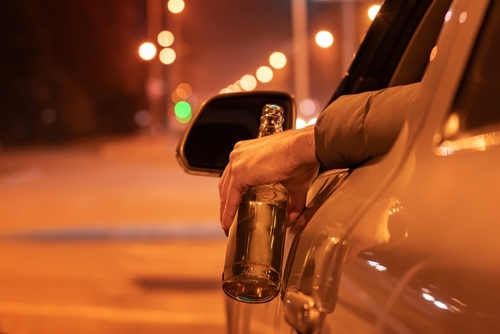
You were hit by a drunk driver. Now, there are two separate legal processes happening at the same time: a criminal case against the driver, handled by the state, and your civil claim for compensation, which is your case after drunk driving accidents in Buffalo.
Many people assume a criminal conviction is necessary to win their civil case. This isn't true, and waiting for the criminal outcome might be a mistake.
The standards of proof for these two cases are completely different.
- Criminal Case: The prosecutor must prove the driver is guilty “beyond a reasonable doubt.” This is a very high bar to clear. A skilled defense attorney might get chemical evidence thrown out or create enough doubt for an acquittal, even if the driver was clearly impaired. There are different burdens of proof.
- Your Civil Case: In your claim, we only need to show that it is “more likely than not” that the other driver’s negligence caused your injuries. This legal standard is called a “preponderance of the evidence.”
This lower standard is why witness testimony is so effective in a civil claim, especially when filing a drunk driving accident lawsuit in Buffalo. A witness who saw the driver swerving across lanes on the I-190 might provide enough proof for your personal injury claim. Their testimony about the driver smelling of alcohol or fumbling for their insurance card helps paint a picture of impairment that meets the “more likely than not” standard.
What Kinds of Witness Testimony Actually Make a Difference?
Eyewitnesses to the Crash Itself
Who they are: Other drivers, pedestrians, or people in nearby homes or businesses who saw the collision happen.
What they provide: They describe the actions that led to the crash. For example, did they see the other car run a red light at the intersection of Delaware and Chippewa? Did they witness speeding or an unsafe lane change? This testimony directly counters attempts by the other driver to blame you or road conditions.
Witnesses to the Driver’s Behavior
Who they are: People who saw the driver shortly before or after the accident. This might include bartenders, restaurant staff, friends, or even the tow truck driver who responded to the scene.
What they provide: Their observations establish impairment. A server might testify that the driver had multiple drinks before leaving their establishment. A witness at the scene could describe the driver's slurred speech, unsteady balance, or the smell of alcohol on their breath. This paints a vivid picture of intoxication for an insurance adjuster or jury.
Passengers
Who they are: Passengers in your vehicle or even the at-fault driver's vehicle.
What they provide: Passengers in your car corroborate your account of the accident and describe your injuries and state of mind. A passenger in the other driver's car could potentially provide direct evidence about the driver's drinking and reckless behavior leading up to the crash.
Law Enforcement and First Responders
Who they are: The police officers, firefighters, or paramedics who arrived at the scene.
What they provide: The police report is a starting point, but the officer's direct testimony is more powerful. They are trained to observe signs of impairment, and their formal testimony about what they saw and heard carries significant weight.
How Is a Witness's Credibility Determined?
The value of a witness's testimony depends entirely on whether it is believed. Both the other driver’s insurance company and their lawyers will look for reasons to discount what a witness says, which is why grounding the account in the science of drunk driving can reinforce credibility. This is why establishing credibility is vital.
Here are some factors to consider when determining if a witness is believable:
- A Clear Vantage Point: Did the witness have a clear, unobstructed view of the events? A person standing on the street corner has a better view than someone who only heard the crash from inside their house.
- Consistency: Does the witness’s story remain consistent over time? A person whose account changes every time they tell it will not be seen as reliable. For this reason, our team carefully documents their initial statement.
- Lack of Bias: Is the witness a neutral third party? Testimony from a stranger is frequently perceived as more objective than testimony from a close friend or family member. However, that doesn’t mean testimony from a loved one is useless; it simply means we must be prepared to show their account is factual and not just based on loyalty to you.
- Plausibility: Does the account make sense in the context of the other evidence? If a witness's statement aligns with the physical evidence (skid marks, vehicle damage, etc.), it becomes much stronger.
Our role is to prepare witnesses to deliver their account clearly and factually. We work with them to ensure they are ready for the questions the other side's attorneys may ask, helping them present their truthful observations in the most effective way.
What Are Common Roadblocks for Witness Testimony in Buffalo Cases?
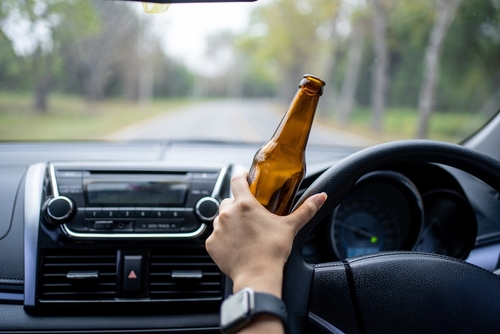
Getting a witness statement is just the first step. In Buffalo, specific challenges arise that may be used to weaken this testimony in drunk-driving accidents.
It is our job to anticipate and address these roadblocks.
- Buffalo’s Weather: This is a common defense tactic. The at-fault driver’s legal team might argue that snow, lake-effect storms, or heavy rain, rather than alcohol, caused the crash. They may also claim the weather obscured a witness’s view, making their testimony unreliable. We counter this by asking specific questions: Was the witness in a position where their view was clear despite the snow? Did they observe erratic driving for a long enough distance to rule out a simple slip on ice?
- Finding the Witness: In the chaos of a crash, you may not have been able to get the contact information of someone who saw what happened. People sometimes leave the scene without realizing how important their story is. We have resources to help locate witnesses, sometimes by canvassing the area or looking for security camera footage from nearby businesses.
- Witness Reluctance: Some people don't want to get involved. They may be worried about having to go to court or "saying the wrong thing." Part of our job is to speak with these individuals, explain the process, and reassure them that they are only being asked to share what they saw.
- "He Said, She Said" Scenarios: When the only witnesses are you and the other driver, the case becomes more challenging. However, we can still build a case by using accident reconstruction, an legal professional 's analysis of the vehicle damage, and the officer’s testimony to support your version of events.
How We Use Witness Testimony to Build Your Case
A witness’s memory is only one part of the equation. Our job is to take that raw information and strategically integrate it into your claim to show the full extent of the other driver’s negligence, reinforcing that accidents are caused by drunk-driving.
Here is how we handle this process:
- Immediate Investigation and Contact: Time is a factor. Memories fade, and people move. We can act quickly to identify and contact anyone who may have seen the accident or the driver’s behavior. This includes bystanders who may not be listed on the official police report.
- Securing Detailed Statements: We can take formal, written, or recorded statements from witnesses as soon as possible. This locks in their account while it is fresh in their mind and helps protect against inconsistencies later.
- Corroborating with Other Evidence: A witness’s statement is powerful on its own, but it becomes undeniable when it aligns with other evidence. We connect their testimony to:
- The Police Report: Does the witness account match the officer’s on-scene observations?
- Accident Reconstruction: Does their description of the crash sequence match what the physics of the collision show?
- Medical Records: Does their description of the impact align with the types of injuries you sustained?
- Preparing Witnesses for Deposition and Trial: If your case proceeds to litigation, the other side’s attorneys will have the opportunity to question your witnesses under oath in a deposition. We thoroughly prepare them for this process, so they know what to expect and are not intimidated or confused by legal tactics. This preparation ensures their true story is told effectively.
FAQ for Drunk Driving Accident Witness Testimony
The police report says there were no witnesses, but I know someone saw it. What should I do?
Police reports are not always complete. If you believe there was a witness, we can conduct our own investigation. This could involve returning to the scene, speaking with local residents or business owners, or checking for overlooked surveillance footage.
Can a bartender’s testimony be used against a drunk driver in Buffalo?
Yes. Testimony from someone who served the driver alcohol helps establish the driver's level of intoxication before they got behind the wheel.
What happens if a witness changes their story or doesn't remember details later?
This is why obtaining a detailed statement immediately is so important. A prior consistent statement is used to refresh a witness's memory and demonstrate that their initial account, given when the memory was fresh, is the accurate one.
I was the victim of a hit-and-run, but a witness got the license plate. Is that enough?
That is an excellent start. The witness's testimony identifying the vehicle is a powerful piece of evidence that helps us track down the responsible driver and hold them accountable.
Your Story Matters. Let Us Make Sure It's Heard.

You might be worried that without a BAC result over 0.08%, your case is unwinnable. That is simply not the case. The story of what happened, the story a witness tells, is often what persuades an insurance company or a jury to do the right thing.
Your focus should be on your recovery. Let us focus on holding the at-fault driver accountable. It starts with a conversation about what happened.
Call William Mattar today at (716) 444-4444 to talk about your case.