The most frequent causes of motorcycle accidents are other drivers who fail to see the rider, make an unsafe lane change, or misjudge the motorcycle’s speed, especially at intersections. If you are trying to make sense of a crash that has disrupted your life, please know that asking "why" is a normal and important part of the healing process — a moment when a New York motorcycle accident lawyer can help you understand what happened and what your next steps should be.
The moments and days after a collision are often filled with pain, confusion, and a flood of questions. Finding clarity on the common factors behind these incidents can be a powerful first step toward understanding your situation and seeing the path forward to recovery.
The Most Common Driver Errors Behind Motorcycle Accidents
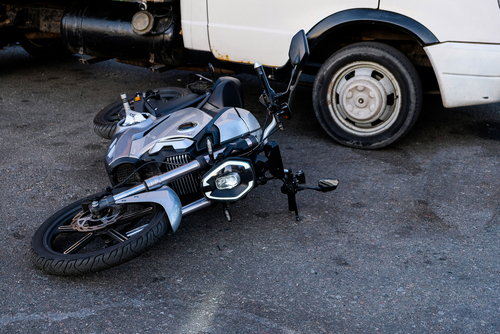
For many riders, the joy of the open road, whether cruising along the scenic routes near the Finger Lakes or traveling the busy streets of New York City, is unmatched. Unfortunately, this freedom comes with a significant risk, often posed by other drivers on the road. Many of the causes of motorcycle accidents boil down to a simple, yet tragic, failure of awareness by the driver of a car or truck, especially after a motorcycle accident, when the rider is left vulnerable to the consequences of another driver’s inattention.
Unsafe Lane Changes and Blind Spots: A Primary Cause of Motorcycle Accidents
One of the most frequent causes of motorcycle accidents is when a car or truck changes lanes directly into the path of a rider. Because of a motorcycle's smaller profile, it can be more difficult to see on the road.
A driver who fails to properly check their mirrors and blind spots before merging or changing lanes can force a rider into an impossible situation with no time to react. This is a common danger on multi-lane highways like the New York State Thruway (I-90) and the Long Island Expressway.
Left-Turn Accidents at Intersections
Intersections are a major hotspot for motorcycle crashes. A particularly dangerous scenario involves a car making a left turn in front of an oncoming motorcycle. The driver of the car may misjudge the motorcycle’s speed and distance, or may not see the rider at all until it is too late.
These left-turn collisions account for a significant percentage of all two-vehicle fatal motorcycle crashes. The driver of the passenger vehicle often claims they "never saw" the motorcycle, a heartbreakingly common refrain in these situations.
Rear-End Collisions
While less common than left-turn accidents, rear-end collisions are still a serious threat. Drivers following a motorcycle too closely may not realize how quickly a bike can slow down or stop. This can lead to a violent rear-end impact that ejects the rider from the bike.
Distracted driving often plays a significant role in these types of crashes, as a driver looking at their phone may not notice the motorcycle braking ahead of them. These incidents highlight the severe consequences that can arise from a driver's inattention.
Distracted Driving: A Growing Danger for Motorcyclists
In the age of smartphones, distracted driving has become a leading cause of all traffic accidents, and motorcyclists are especially vulnerable. A driver who is texting, adjusting a GPS, or otherwise not paying full attention to the road is a hazard to everyone. For a motorcyclist, that momentary lapse in attention from another driver can be catastrophic.
New York has specific laws, such as VTL § 1225-d, that prohibit the use of portable electronic devices while driving, because lawmakers recognize the immense danger this behavior poses.
Driving Under the Influence (DUI/DWI)
A driver whose judgment and reaction time are impaired by alcohol or drugs presents a grave danger to motorcyclists. Impaired drivers have difficulty tracking moving objects, staying within their lane, and reacting to changing traffic conditions. A rider's safety depends on the alertness of every driver around them.
When a driver gets behind the wheel after drinking, they put everyone at risk, but the unprotected nature of a motorcycle means the rider will almost always face the most severe consequences in a collision.
Other Factors That Contribute to the Causes of Motorcycle Accidents
While the actions of other drivers are a primary factor, they are not the only cause of devastating motorcycle accidents. Other conditions can create dangerous situations or make an already bad situation worse, and scenarios like when a motorcycle gets in a sideswipe accident can further complicate how the crash occurred. Understanding these additional factors is important when piecing together what happened in your crash.
Hazardous Road Conditions in New York
The state of the road itself can be a major contributing factor. From the harsh winters in Buffalo and Rochester to heavy traffic wear and tear downstate, New York roads can present unique challenges for riders.
- Potholes and broken pavement
- Loose gravel or debris from construction sites
- Poorly marked lanes or construction zones
- Oil slicks or other slippery surfaces
These hazards, which might only be a minor annoyance for a car, can cause a motorcyclist to lose control and crash. When a dangerous road condition is the result of poor maintenance, the government entity responsible for the road could be held accountable.
This highlights that responsibility for an accident may not always rest with another driver, but sometimes with those in charge of ensuring our roads are safe for all users.
Defective Motorcycle Parts
Sometimes, the cause of a motorcycle accident has nothing to do with the road or other drivers. It can stem from a failure in the motorcycle itself. When a critical component fails due to a manufacturing or design defect, the results can be tragic.
- Brake failure
- Tire blowouts
- Engine or transmission seizure
- Defective steering components
In these cases, the manufacturer, distributor, or even the mechanic who installed the part could be responsible. This area of law, known as product liability, focuses on holding companies accountable for putting unsafe products on the market.
Determining if a defect caused your accident requires a thorough investigation, but it is a critical avenue to explore to ensure the responsible parties are identified.
Poor Weather Conditions
Adverse weather can significantly increase the risk of a motorcycle accident. Rain and fog can reduce visibility and make road surfaces slick. High winds, which can be a particular issue on open stretches of highway or when crossing bridges like the Tappan Zee (Governor Mario M. Cuomo Bridge), can make a motorcycle difficult to control, especially in situations where motorcycles have the right of way but still face increased danger from unpredictable conditions.
While no one can be blamed for the weather, it can expose or worsen the negligence of another driver who fails to adjust their speed and driving habits to the conditions.
What to Do in the Days After a Motorcycle Accident

Once you have received immediate medical attention and are back home, the path ahead can feel uncertain. The steps you take in the days and weeks following the crash are important for both your physical recovery and protecting your rights.
Focusing on these tasks can help bring a sense of control during a chaotic time.
- Document Everything. Write down everything you remember about the accident as soon as you are able. Memories can fade, so capturing details about the location, the other vehicle, and the sequence of events is vital. Also, take photos of your injuries as they heal and any damage to your gear and motorcycle.
- Organize Your Paperwork. Keep all documents related to the accident in one place. This includes the police report, medical bills, receipts for prescriptions, repair estimates, and any letters you receive from an insurance company.
- Follow Your Doctor's Orders. Your health is the top priority. Attend all follow-up appointments and physical therapy sessions. Following your treatment plan is not only crucial for your recovery but also creates a clear record of your injuries.
Taking these organized steps can provide a strong foundation for any claim you may need to file and helps to clearly show the impact the accident has had on your life, especially when New York motorcycle laws play an important role in determining your rights and responsibilities after the crash.
Understanding New York's Motorcycle Laws and Your Rights
The legal landscape after a motorcycle accident in New York can be complicated. The laws are different for motorcyclists than they are for drivers of cars, especially when it comes to insurance.
One key law to be aware of is New York's helmet law. VTL § 381 requires all motorcycle operators and passengers to wear an approved helmet. While wearing a helmet is a critical safety measure, whether you were wearing one or not does not necessarily prevent you from seeking compensation if another person’s carelessness or negligence caused your injuries. Negligence is a legal term that simply means someone failed to act with reasonable care, and that failure caused harm to another person.
A major difference for riders in New York is how insurance works. Unlike car drivers, motorcyclists are not covered by New York's "No-Fault" insurance system for medical bills and lost wages. This means that after an accident, a rider's own health insurance is typically the first source of payment for medical treatment. To recover compensation for things beyond what your health insurance covers, including pain and suffering, you generally must prove that another party was at fault for the accident.
If you can prove the other party was at fault, you may be able to recover compensation for a wide range of damages.
- All past and future medical expenses related to the accident.
- Lost income from being unable to work, as well as any impact on your future earning ability.
- Pain, suffering, and the emotional toll the accident has taken on your life.
- The cost to repair or replace your motorcycle and damaged riding gear.
Pursuing this compensation is about holding the responsible party accountable for their actions and helping you get the resources you need to rebuild your life, a reminder that motorcycles worth the risk is a question many riders reconsider after a serious crash.
FAQ for Causes of Motorcycle Accidents
Here are answers to some common questions that arise after a motorcycle crash.
What if I were partially at fault for my motorcycle accident?
New York follows a "comparative negligence" rule. This means you can still recover compensation even if you were partially at fault, but your recovery amount would be reduced by your percentage of fault. For example, if you were found to be 10% at fault, your total compensation award would be reduced by 10%.
How long do I have to file a motorcycle accident claim in New York?
In New York, there is a time limit, known as the statute of limitations, for filing a personal injury lawsuit. For most motorcycle accidents, you generally have three years from the date of the accident to file. However, there are exceptions, and the time limit can be much shorter if a government entity is involved, so understanding your specific deadline is critical.
Should I accept the insurance company's first settlement offer?
It is often wise to be cautious with early settlement offers from an insurance company. The first offer may not fully account for the long-term costs of your injuries, such as future medical treatment or lost earning potential. It is important to have a complete understanding of your damages before agreeing to any settlement.
Trusted Motorcycle Accident Lawyers Here for You

Recovering from a motorcycle accident is a journey that takes time, strength, and support. The physical and emotional challenges can feel immense, but you do not have to face them by yourself. Figuring out the causes of motorcycle accidents is just one piece of the puzzle. The next step is understanding your rights and how to move forward.
At William Mattar Accident Lawyers our legal team focuses on helping people injured in motor vehicle accidents across New York State. From our principal office in the Buffalo area to our intake locations in Rochester, Syracuse, Albany, New York City, and Long Island, we are dedicated to advocating for riders. We understand the unique challenges you face and are committed to helping you seek the compensation you need to heal.
With our No Fee Until We Win℠, we work on a contingency fee and you do not have to worry about upfront legal costs. We work on a contingency fee basis, which means we only receive an attorney’s fee if we collect money for you. Let our team handle the legal details so you can focus on what matters most: your recovery.
If you have been hurt, do not wait. Contact William Mattar today at (716) 444-4444 or through our online form for a free, no-obligation consultation. Let us help you take the first step toward justice.