The most dangerous roads and highways on Long Island are responsible for thousands of crashes, hundreds of serious injuries, and dozens of deaths every year.
According to the New York Governor's Traffic Safety Committee, 62 people lost their lives to speed-related crashes on Long Island in 2024, and 2,859 people were injured in crashes due to speeding across Nassau and Suffolk counties during the same period.
These are not random events scattered across the island. Certain highways, parkways, and intersections see disproportionate numbers of collisions because outdated road design, heavy traffic, speeding, and impaired driving combine to make already risky roads even more dangerous.
If you or someone in your family has been hurt on one of these roads, understanding which corridors are most dangerous, why crashes happen there, and what steps to take after an injury may shape the outcome of your car accident claim.
Key Takeaways About Dangerous Roads on Long Island
- Many Long Island parkways were designed in the 1920s and 1930s for vehicles traveling 50-60 mph, with narrow shoulders, tight curves, and short merge lanes that do not match modern traffic speeds or vehicle sizes
- Alcohol- and drug-involved crashes killed 124 people on Long Island in 2023, according to the Governor's Traffic Safety Committee
- New York's three-year statute of limitations under CPLR § 214 applies to personal injury claims, but evidence from crash scenes, surveillance footage, and witness memories degrades quickly. In addition the statute of limitations can be much shorter depending on the circumstances.
Why Long Island Roads and Highways See Many Car Accidents
Long Island's crash frequency is not simply a traffic volume issue. Several structural and behavioral factors combine to make specific roads and highways far more dangerous than others.
Parkway Design From a Different Era
Many of Long Island's deadliest parkways were built in the late 1920s and 1930s to bring city residents out to the state park system. The parkways were built for a different time and a different car. In the 1930s, a typical family car's speed topped out at around 50 to 60 mph. Today, drivers travel these same narrow lanes at 65 mph or faster, with minimal shoulders, low overpasses, raised curbs, and limited clear zones that leave no room for error.
Impaired Driving Compounds the Risk
In 2023, 881 people on Long Island were injured in crashes where the driver was impaired by alcohol or drugs, and alcohol- or drug-involved crashes claimed the lives of 124 people on Long Island that year. Wrong-way crashes, which are often linked to impaired driving, have become a recurring problem on Long Island's divided highways.
The Most Dangerous Highways on Long Island for Car Accidents

Several major east-west and north-south corridors account for a disproportionate share of Long Island's serious and fatal crashes. The following highways appear consistently in state crash data and regional safety reporting. For example, a 11.3-mile north-south corridor from West Islip to Kings Park averaged 1.4 crashes per day during 2022 and 2023, according to some reports. Just under 2.5 percent of Sunken Meadow-Sagtikos crashes in 2022 and 2023 involved serious or fatal injuries, a rate more than double that of the Meadowbrook during the same period.
Common Crash Types on Long Island's Most Dangerous Roads
The roads and intersections listed above do not all produce the same kinds of crashes. Recognizing how your accident happened may help you understand the fault analysis and what evidence matters most.
Common types of crashes include:
- Rear-end collisions in congestion. Stop-and-go traffic on the LIE, Southern State Parkway, and Sunrise Highway creates conditions where a momentary distraction or following too closely leads to chain-reaction crashes. These collisions often involve multiple vehicles and disputed fault among several drivers.
- High-speed lane-departure crashes. On parkways with narrow shoulders, tight curves, and raised curbs, a driver who loses control at speed may leave the roadway and strike trees, overpasses, or stone walls with little buffer zone to slow the vehicle. These crashes account for a significant share of fatalities on the Southern State and Sunken Meadow/Sagtikos parkways.
- Wrong-way collisions. Impaired or confused drivers entering a parkway in the wrong direction create head-on crashes at combined speeds that are often fatal. The Southern State Parkway has seen recurring wrong-way incidents, and the design of older on- and off-ramps may contribute to driver confusion.
- Merge-related crashes. Short acceleration lanes on Long Island's older parkways force drivers to merge into high-speed traffic with limited room to match the flow. Sideswipe collisions and forced lane changes that cause secondary crashes are common at these merge points.
- Intersection angle and left-turn collisions. At high-risk intersections, drivers turning left across oncoming traffic or entering an intersection against a signal create T-bone crashes that strike the side of a vehicle where occupants have the least structural protection.
Each of these crash types produces different injury patterns and raises different questions about fault, evidence preservation, and which parties may share liability.
How Dangerous Road Conditions Can Affect a Long Island Injury Claim
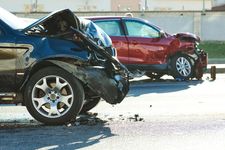
A road's reputation as dangerous does not automatically change who is liable after a crash. However, the characteristics of a dangerous road may affect how fault is analyzed and what evidence matters.
Road Design and Maintenance Failures
When a crash results from a design deficiency, such as a missing guardrail, inadequate lighting, a poorly marked lane change, or a drainage issue that causes standing water, the government entity responsible for maintaining the road may share liability. Claims against state or municipal entities for road defects follow different rules than claims against private drivers, including shorter filing deadlines. Understanding how these rules affect your car accident claim is important to protecting your right to recover compensation.
How Road Conditions Affect Comparative Negligence
New York applies comparative negligence, meaning fault is divided among responsible parties. If a dangerous curve, an obstructed sight line, or a confusing interchange contributed to your crash alongside another driver's speeding or distraction, the allocation of fault may reflect both the driver's behavior and the road's condition.
Evidence That Matters on Dangerous Roads
Crashes on roads known for dangerous conditions benefit from evidence that goes beyond the standard police report. Photographs of road conditions, measurements of sight distances, records of prior crashes at the same location, and maintenance records from NYSDOT or the county highway department may all become relevant to establishing fault and supporting a claim.
What to Do If You Are Hurt on a Dangerous Long Island Road
The steps you take after a car accident on a high-risk Long Island road may affect both your recovery and the strength of your injury claim.
- Obtain a copy of the police report. The report documents responding officers' observations, driver statements, and preliminary fault determinations.
- Document the road conditions. If you are able, or if a family member may help, photograph the road layout, lighting, signage, lane markings, shoulder width, and any visible defects or obstructions. These conditions may change quickly after a crash as repairs are made or temporary barriers are installed.
- Follow through on all medical treatment. Injuries from high-speed parkway crashes often involve forces that cause delayed symptoms. Completing all recommended diagnostic testing and follow-up appointments creates the medical documentation your claim requires.
- Notify your own auto insurer promptly. New York's no-fault system requires you to file for PIP benefits within 30 days of the accident. Your PIP coverage provides up to $50,000 for medical expenses, lost wages, and related costs regardless of fault.
- Contact a car accident attorney before speaking with the at-fault driver's insurer. Crashes on dangerous roads may involve multiple liable parties, including other drivers, government entities responsible for road maintenance, and commercial vehicle operators. A Long Island car accident lawyer can help identify all available sources of recovery and pursue compensation from every responsible party.
Preserving evidence early is especially important after crashes on Long Island's parkways, where road conditions, weather, and construction zones change frequently and crash sites are cleared quickly.
FAQs About Long Island’s Most Dangerous Roads
Does a road being "dangerous" mean someone besides the other driver is liable?
It depends on why the road is dangerous. If the danger comes from a design deficiency, missing signage, or a maintenance failure, the government entity responsible for that road may share liability. If the danger comes from high traffic volumes and driver behavior, liability typically falls on the at-fault driver. An attorney may review the specific conditions and crash circumstances.
Who is responsible for maintaining Long Island's parkways?
Local roads and intersections fall under Nassau or Suffolk County highway departments or individual town and village departments of public works, while State Parkways are owned and maintained by the state. It is important to look at the County Highway Map to see exactly who owns what roads.
Do I have a shorter deadline to file a claim if a road defect caused my crash?
Claims against a municipal entity for a road defect often require a notice of claim within 90 days and a lawsuit within one year and 90 days, while claims against New York State follow different Court of Claims deadlines requiring either a timely Claim or Notice of Intention. Missing these deadlines can jeopardize your car accident lawsuit and your ability to recover compensation. These deadlines are significantly shorter than the standard three-year statute of limitations for personal injury claims against private parties. Missing the Notice of Claim or other deadline may bar your claim regardless of its merit. That is why it is critical that you speak with an personal injury attorney as soon as possible.
What if speeding was a factor in my crash on a Long Island parkway?
New York's comparative negligence rule means you may still recover compensation even if you were partially at fault, including for speeding. Your recovery would be reduced by your percentage of fault. If the other driver was also speeding, distracted, or impaired, fault may be divided between multiple parties.
Injured on a Dangerous Long Island Road? What to Do Next

Long Island's most dangerous roads are not getting safer on their own. The same parkway designs, the same intersection conflicts, and the same speeding and impaired driving patterns continue to produce serious and fatal crashes year after year.
William Mattar can represent car accident victims across Long Island and throughout New York State. Our attorneys can handle claims involving Long Island's most dangerous highways and intersections, identify the liable parties, including government entities, and pursue compensation that reflects the impact of your injuries.
Contact William Mattar for a free consultation. We answer phones 24/7. No Fee Until We Win℠.