You file a no fault claim in Erie County by sending a completed NF-2 application for motor vehicle no fault benefits to the no fault insurer for the vehicle you occupied, and the New York regulation 11 NYCRR 65-1.1 gives you 30 days from the date of the accident to get it there. Once the application is on file, that insurer must cover at least $50,000 per person in basic economic loss under Insurance Law section 5102, including your accident related medical bills and 80 percent of your lost earnings up to $2,000 per month, no matter who caused the crash. This guide covers the benefits, the form, the deadlines, and what no fault does not pay: Compensation for pain and suffering.
At William Mattar, P.C. our team has focused on motor vehicle accidents for more than 30 years, with attorneys and offices and intake locations across New York State.
Key facts about no fault claims in Erie County
- New York no fault benefits, called basic economic loss, are capped at $50,000 per person under Insurance Law section 5102(a). APIP or OBEL coverage can provide additional coverage.
- No fault reimburses lost earnings at 80 percent, subject to a cap of $2,000 per month for up to three years, under section 5102. APIP can expand that coverage.
- The NF-2 application must reach the correct insurer within 30 days of the accident under 11 NYCRR 65-1.1, the New York no fault regulation.
- Once you supply proof of a loss, payment is overdue after 30 days and accrues interest at two percent per month under Insurance Law section 5106.
- No fault never pays for pain and suffering. That compensation requires a separate liability claim and a serious injury as defined in section 5102(d).
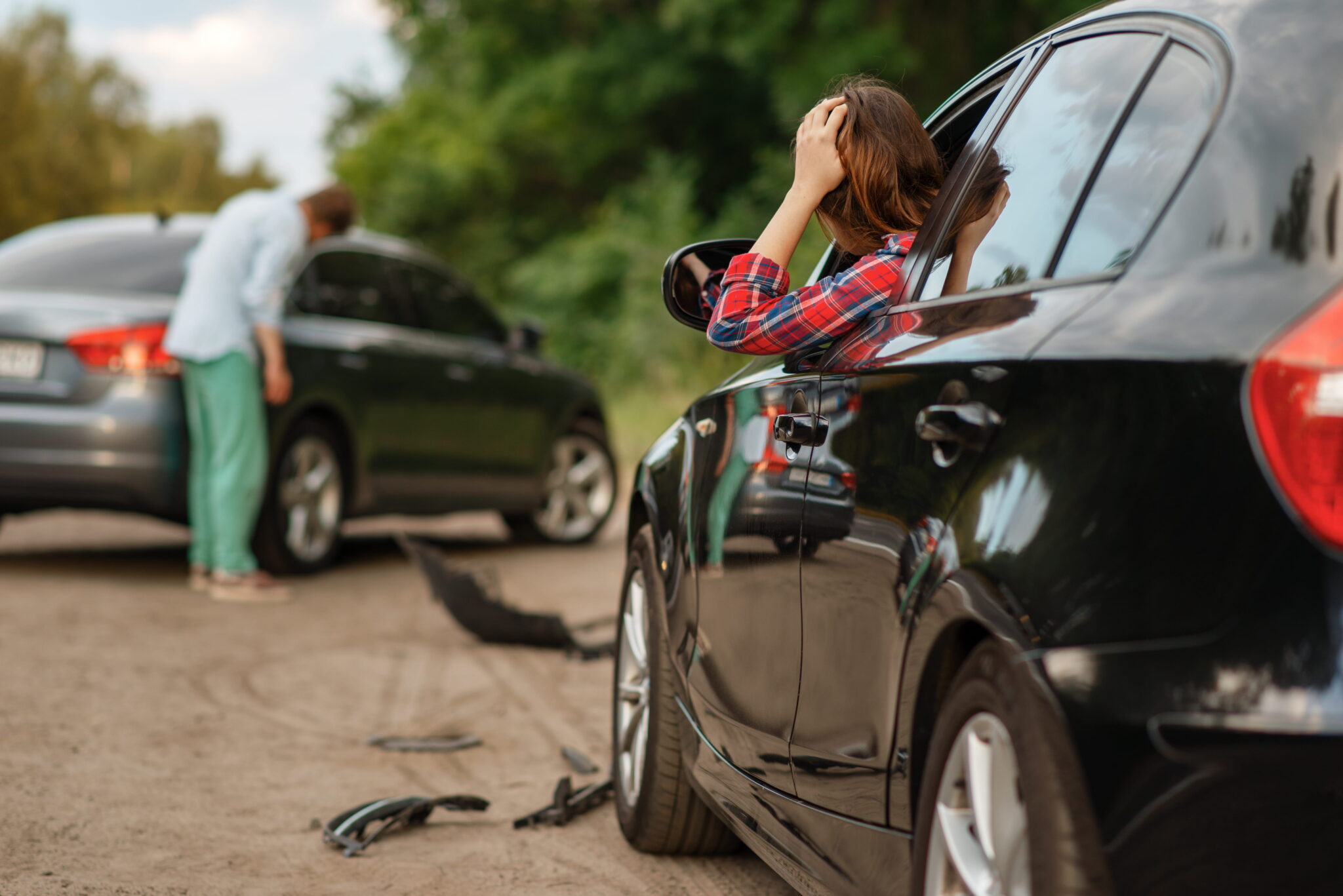
The NF-2 application and the 30 day deadline
The claim starts with a short form called the NF-2, the New York application for motor vehicle no fault benefits. Under 11 NYCRR 65-1.1, written notice must reach the insurer as soon as reasonably practicable and in no event more than 30 days after the accident. An insurer can excuse a late filing only when you supply written proof of a clear and reasonable justification, so treat the 30 days as firm. The form asks for basic accident facts, your treatment providers, and your employment information. The firm's page on how to apply for no fault benefits walks through the application itself, and most insurers handling Erie County claims accept the form by mail, fax, or an online portal. The firm does not represent for no-fault claims, but understands that an untimely no-fault application can create a roadblock for receiving medically necessary treatment.
Which insurer receives your NF-2 after a Buffalo crash
New York no fault follows the vehicle, not the person. If you were driving your own car anywhere in Erie County, the NF-2 goes to your own auto insurer. If you were a passenger, it goes to the insurer of the car you were riding in, even when another driver caused the crash. If you were walking or biking and a car hit you, it goes to the insurer of the vehicle that struck you. Insurance Law section 5103 requires every owner's policy issued in New York to provide these first party benefits.
Two exceptions matter in practice. Motorcyclists and their passengers are excluded from no fault under section 5103, so an injured rider must look to health insurance and a liability claim instead. And when no policy can be found at all, for example after a hit and run by a vehicle that is never identified, section 5106 points qualified New York residents to the Motor Vehicle Accident Indemnification Corporation, which accepts claims that would otherwise have no insurer to receive them.
What no fault pays once the claim is open
Basic economic loss under section 5102(a) combines three things within the $50,000 per person cap. First, all necessary medical expenses, including hospital, surgical, nursing, ambulance, prescription, and rehabilitation charges. Second, lost earnings, paid at 80 percent of your actual loss up to $2,000 per month for as long as three years from the accident. Third, other reasonable and necessary expenses of up to $25 per day for one year, such as transportation to medical care. The purpose of no-fault coverage is to provide prompt reimbursement for medical expenses and lost wages.
Treatment rules that protect your benefits
Keep treating and keep the paperwork moving. The carrier can also require independent medical examinations, and missing one without explanation can end benefits going forward. If the insurer denies or delays a valid charge, section 5106 gives you the right to demand arbitration through a simplified state approved procedure.
What no fault does not pay
No fault never compensates for pain and suffering. Section 5102(c) defines that harm as non economic loss and leaves it outside basic economic loss, so the check that pays a Buffalo hospital bill does nothing for the injury itself. Recovering non economic loss generally requires a liability claim against the at fault driver, and New York permits that claim only when the injury meets the serious injury definition in section 5102(d), which includes death, a fracture, significant disfigurement, and several categories of permanent or significant limitation. The lawsuit clock is separate from every no fault deadline. Under CPLR 214 a personal injury action must generally be commenced within three years of the crash, though that time deadline can sometimes be much shorter.
Frequently asked questions
How long do I have to file a no fault claim in Erie County?
The NF-2 application must reach the correct no fault insurer within 30 days of the accident under 11 NYCRR 65-1.1. A late filing is excused only with written proof of a clear and reasonable justification.
Who gets the NF-2 form after a car accident in Buffalo?
The insurer of the vehicle you were in. Drivers file with their own auto insurer, passengers file with the insurer of the car they occupied, and pedestrians or cyclists file with the insurer of the vehicle that struck them. When no insurer exists, such as after an unsolved hit and run, qualified New York residents can file with the Motor Vehicle Accident Indemnification Corporation.
Does no fault pay for pain and suffering in Erie County?
No. Insurance Law section 5102 limits no fault to basic economic loss, meaning medical bills, a share of lost earnings, and small daily expenses. Pain and suffering requires a liability claim against the at fault driver, and that claim is allowed only when the injury meets the serious injury definition in section 5102(d).
Were you hurt in a car accident in Buffalo or anywhere in Erie County? The attorneys at William Mattar, P.C. are available 24/7 to help you with a claim for pain and suffering against the at-fault motorist with no fee unless your case recovers money. Call (844) 444-4444. Offices and intake locations across New York State.
About William Mattar, P.C.
William Mattar, P.C. is a New York law firm that only handles motor vehicle accident cases and has represented injured people for over 30 years. The firm’s principal office is in Williamsville, with offices and intake locations throughout New York State, with free case reviews available 24/7 at (844) 444-4444.
Related reading from William Mattar
- How Much Does a Lawyer Cost for a Car Accident in New York
- What Happens in a Car Accident Lawsuit
- The Three-Year Clock. A Guide to New York’s Car Accident Statute of Limitations
- A Guide to No-Fault Claims in Nassau County
Each of the above is part of William Mattar’s New York State accident resource library.
Sources
- New York Insurance Law sections 5102, 5103, and 5106, via the New York State Senate, nysenate.gov
- New York Civil Practice Law and Rules section 214, via the New York State Senate, nysenate.gov
- 11 NYCRR 65-1.1, New York no fault regulation, via Cornell Law School Legal Information Institute
- New York State Unified Court System, Erie County courts information, nycourts.gov, reviewed July 2026
- William Mattar, P.C., how to apply for no fault benefits and Buffalo car accident lawyer pages, williammattar.com, reviewed July 2026
Attorney Advertising. This article provides general information about New York law and is not legal advice for any specific situation. Prior results do not guarantee a similar outcome. Last updated July 2026.