In New York, you generally have three years from the date of a drunk driving accident to file a personal injury lawsuit.
For a wrongful death claim, the deadline is shorter: two years from the date of death.
A few factors shorten or change these timelines, particularly if a government entity is involved, and a Buffalo drunk driving accident lawyer can help you track them. For example, claims against a municipality like the City of Buffalo require a formal notice of claim to be filed within just 90 days of the accident.
Missing one of these deadlines means you lose your right to recover compensation for your medical bills, lost income, and pain and suffering—permanently. The legal clock starts ticking immediately, and being unaware of the specific deadline that applies to your case has irreversible consequences.
We understand these deadlines and the exceptions that apply. If you have a question about the specific deadlines for your case, call William Mattar now at (716) 444-4444.
Key Takeaways for Filing a Drunk Driving Accident Lawsuit in Buffalo
- The standard deadline for injury claims is three years. New York law provides three years from the crash date to file a personal injury lawsuit, but waiting jeopardizes evidence and weakens your case.
- Wrongful death claims have a shorter, two-year deadline. If you lost a loved one, the time limit to file a claim is only two years from the date of their death, requiring prompt action to hold the responsible parties accountable.
- Claims against the government require a 90-day notice. If a government employee or vehicle is involved, you must file a formal Notice of Claim within 90 days of the incident, a misstep that permanently bars many valid claims.
Why New York's Deadlines Are a Serious Hurdle After a Drunk Driving Accident

New York law sets strict time limits, called statutes of limitations, for filing a lawsuit. The clock generally starts ticking the moment the accident happens, not when you feel ready to take action.
Once this deadline passes, your claim is usually barred forever. It doesn't matter how clear the other driver's fault was or how serious your injuries are. The courthouse doors are effectively closed to your case after drunk driving accidents in Buffalo, leaving you with the financial costs of someone else's reckless decision.
What Are the Most Common Filing Deadlines for a Drunk Driving Accident in Buffalo?
The specific time limit that applies to you depends on the details of your case, primarily whether it involves a personal injury or a wrongful death, and whether a government employee or vehicle was involved when filing a drunk driving accident lawsuit in Buffalo.
The Three-Year Rule for Personal Injury Claims
For most car accident injury claims in New York, the law that applies is New York Civil Practice Law and Rules (CPLR) § 214(5). This statute gives you three years from the date of the crash to file a personal injury claim against the drunk driver and other responsible parties. This is the most common deadline for victims of drunk driving accidents in Buffalo.
The Two-Year Deadline for Wrongful Death Claims
If you have tragically lost a loved one in a drunk driving accident, the timeline is different and even shorter. A wrongful death lawsuit must be filed within two years of the person's date of death.
The personal representative of the deceased's estate files this type of claim. The purpose is to seek compensation for the losses suffered by the surviving family members, such as loss of financial support, funeral expenses, and loss of guidance and companionship.
The 90-Day Notice Rule: When a Government Vehicle Is Involved
This is one of the most significant exceptions and a common pitfall that prevents a person from recovering anything. If the drunk driver was operating a vehicle owned by a government entity—such as a city sanitation truck, a state-owned car, or a public bus—the rules change completely in drunk driving car accidents.
There is a strict, two-part deadline you must meet:
- File a Notice of Claim: You must formally notify the correct government agency of your intent to sue within 90 days of the accident.
- File the Lawsuit: After filing the notice, you then have one year and 90 days from the date of the accident to file the actual lawsuit. Every case is unique.
The courts are very strict about this requirement. It is one of the shortest deadlines in New York personal injury law and shows the importance of speaking with an attorney as soon as possible after an accident involving a government vehicle.
Could My Filing Deadline Be Different? Common Exceptions Explained
While the standard deadlines cover most situations, New York law recognizes that certain circumstances require flexibility. These exceptions, often related to the victim's age or mental state, pause or "toll" the statute of limitations. However, relying on an exception without legal guidance is risky, as they are complicated and narrowly applied.
What if the Victim Was a Minor?
The law recognizes that a child cannot file a lawsuit on their own behalf. Therefore, the statute of limitations is typically paused, or "tolled," for victims injured as minors.
In New York, the three-year clock for a minor typically does not start running until they turn 18 years old. This means they generally have until their 21st birthday to file a personal injury claim. Just because the statute of limitations is tolled, however, does not mean that other deadlines are also tolled, especially when evidence tied to the science of drunk driving must be preserved early.
Pursuing Compensation from Parties Besides the Driver
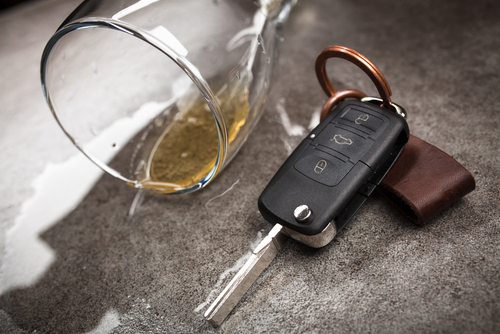
Perhaps the person who chose to get behind the wheel is clearly responsible, but they might not be the only one.
New York law sometimes allows victims to hold other parties accountable for their role in a drunk driving accident. Identifying all responsible parties is a key part of pursuing the maximum compensation available under the law.
One of the most important laws in this area is New York’s Dram Shop Act. This law allows you to bring a claim against a bar, restaurant, or another vendor who knowingly sold alcohol to a person who was "visibly intoxicated." Proving that a vendor served a visibly intoxicated patron requires evidence, such as eyewitness testimony, receipts, or security camera footage.
Identifying all at-fault parties ensures you access every available source of compensation for your injuries, which is especially important in drunk-driving accidents. A bar or restaurant will likely have a commercial insurance policy with much higher liability limits than an individual driver's personal auto policy. This makes a significant difference in your ability to cover long-term medical needs, especially in cases of catastrophic injury.
How Our Firm Helps Protect Your Filing Deadlines
From the moment we take on a case, our team acts to protect your rights and ensure that deadlines are not missed.
Here’s a look at our process:
- Immediate Investigation: We don't wait. We begin by gathering police reports, accident photos, witness information, and your medical records. This allows us to start building the foundation of your claim right away.
- Identifying All Defendants: Our team thoroughly investigates the circumstances of the accident to determine every potentially liable party. This may include the drunk driver, the owner of the vehicle they were driving, and any bar or restaurant that may have illegally over-served them.
- Calculating Your Deadlines: We identify and calendar every applicable deadline, including the statute of limitations for the lawsuit and any shorter notice of claim requirements.
- Managing Communications: We handle phone calls, emails, and correspondence with the at-fault motorist’s bodily injury insurance company. This frees you from the stress of these conversations and prevents you from accidentally saying something that might be used to diminish your claim.
- Filing the Necessary Paperwork: We prepare and file legal documents, from the initial insurance claims to the formal lawsuit, well before any deadline expires. Our goal is to give you peace of mind so you focus on what matters most: your health and your family.
Frequently Asked Questions About Buffalo Drunk Driving Accident Claims
Does the driver's criminal DWI case affect my civil lawsuit deadline?
No. The criminal case against the drunk driver is separate from your civil claim for compensation. The deadlines for your personal injury or wrongful death lawsuit run regardless of the outcome or timing of the driver’s criminal proceedings.
What if my injuries seemed minor at first but got worse after a few months?
The deadline is based on the date of the accident, not the date you realized the full extent of your injuries. Some injuries, like those to the back or neck, may not present symptoms for days or weeks. This is why you must seek legal advice promptly, even if you believe your injuries are not severe.
Am I eligible for help from the New York State Office of Victim Services?
Yes, you may be eligible for assistance. The New York State Office of Victim Services (OVS) sometimes provides financial relief for expenses like medical bills and lost wages. This is a separate process from a civil lawsuit, with its own unique application rules and deadlines.
What if the drunk driver had no insurance?
You may recover compensation through the "Uninsured Motorist" (UM) coverage on your own auto insurance policy. However, your policy contains strict deadlines for notifying your insurance company of a potential UM claim. You cannot afford to delay in this situation.
How much does it cost to have William Mattar Accident Lawyers review my case?
We offer a free initial consultation to review the details of your case. If you decide to work with us, we work on a contingency fee basis, which means you pay us no fee unless we win a recovery for you.
Don't Let a Deadline End Your Right to Recovery

Your focus should be on your health and your family. Let our team at William Mattar Accident Lawyers handle the deadlines, the paperwork, and the insurance companies.
The first step is a simple, confidential phone call to understand where you stand and what your options are.
Call us today at (716) 444-4444 to talk about your situation.