An Event Data Recorder (EDR) is a device installed in most modern passenger vehicles that captures objective technical data (such as speed, braking, and steering input) in the seconds before, during, and after a collision—evidence a Self-driving car accident lawyer may rely on in complex technology-related crashes. Think of it as the black box for your car. This device provides a clear, unbiased snapshot of a crash, recording information that human memory cannot recall accurately.
New York privacy laws and insurance company protocols typically make it difficult for individuals to retrieve this important evidence. In many cases, the data is overwritten after a few drives, or the vehicle is sent to a scrapyard and destroyed before the information can be recovered. The window of opportunity to secure this data could be distressingly short.
At William Mattar Accident Lawyers we can use specific legal preservation techniques to secure this data immediately. By sending legally binding notices, we prevent a vehicle and its data from being destroyed.
If you have a question about securing evidence for your car accident case, our team is available to help. We offer a free consultation, and there is no obligation to work with us.
Key Takeaways for Using EDR Data in Your Accident Case
- Your vehicle’s EDR is an unbiased witness. It records objective data like speed and braking, which provides a factual account of a crash that is free from human error or bias.
- This evidence may be destroyed quickly. EDR data might be overwritten after a few drives, or the entire vehicle could be sent to a scrapyard, making immediate action necessary to preserve it.
- A formal legal process is required to secure and use EDR data. An attorney can send a spoliation letter to legally obligate the other party to preserve the vehicle and its data for your case.
What the EDR Actually Records
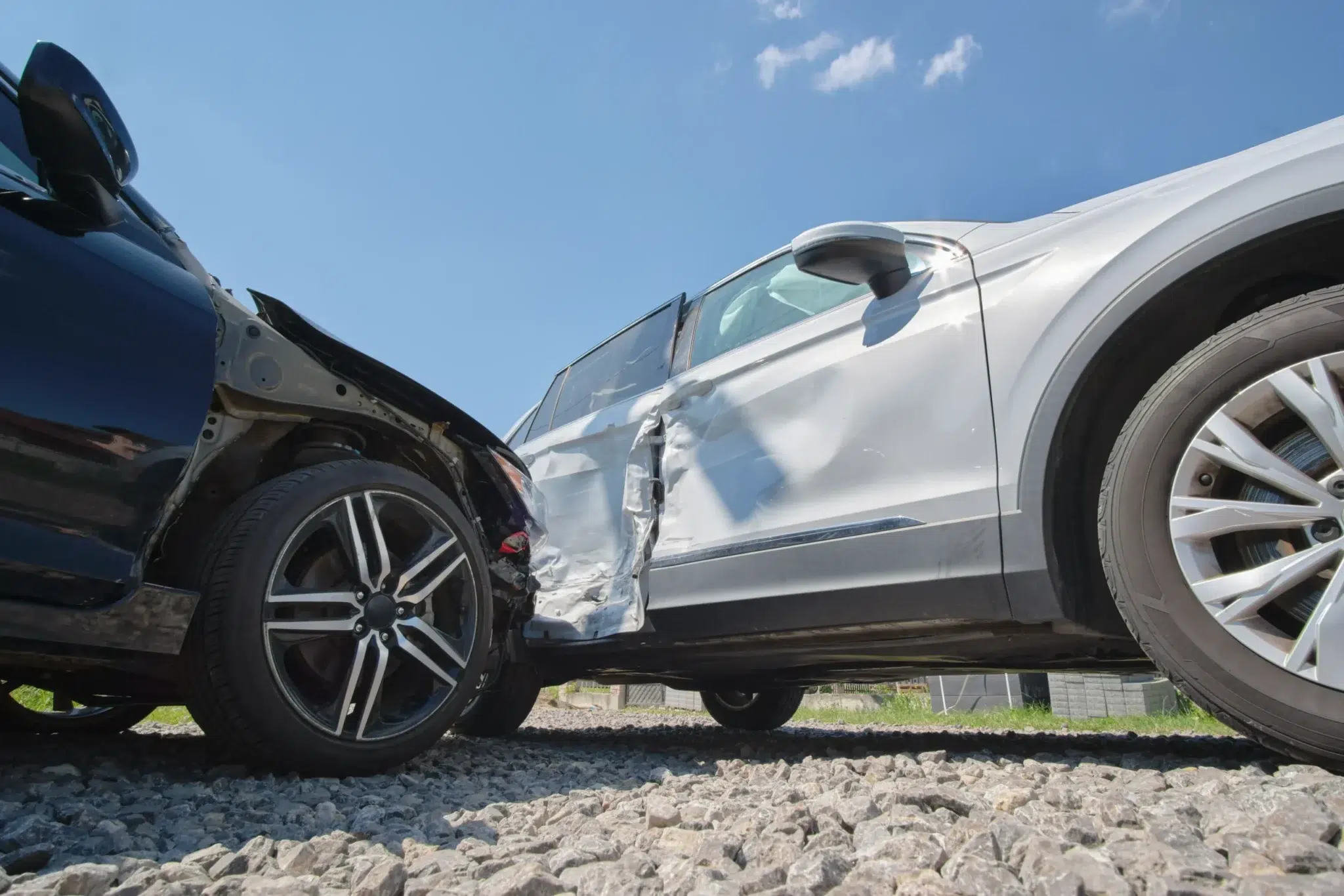
An EDR doesn't record everything that happens in a vehicle. It continuously monitors data but only saves it permanently when a trigger event occurs, usually an airbag deployment or a sudden, severe change in velocity that signals a crash. When that trigger hits, the device locks and preserves data from roughly 5 to 20 seconds before and during the impact, depending on the model, which can become especially important when filing a car accident lawsuit and establishing exactly what happened in the moments leading up to a collision.
That window captures the information that can matter most in a liability dispute:
- Vehicle speed at the moment of impact and in the seconds leading up to it
- Brake application — whether the driver braked, when they braked, and how hard
- Throttle position — whether the driver was accelerating
- Steering input — whether the driver attempted to swerve or take evasive action
- Delta-V — the change in velocity during the crash, which indicates impact severity
- Seatbelt status — whether occupants were buckled at the time of the collision
This data exists independent of what either driver remembers or claims to remember. In the aftermath of a crash, adrenaline distorts perception, details blur, and two drivers can give completely contradictory accounts of the same event. The EDR doesn't have that problem. It records inputs without interpretation, which is why this data often becomes the deciding factor when liability is disputed.
The device itself is typically housed in the Airbag Control Module, located in a protected area like under the center console or front seats. Almost every passenger vehicle manufactured since 2012 has one.
Beyond the EDR: Telematics and Cloud-Connected Vehicle Data
Modern vehicles record far more than what happens during a crash. Telematics systems, whether built into the vehicle or added through usage-based insurance programs, continuously monitor driving behavior. This includes speed, acceleration, hard braking, cornering, and location. Unlike an EDR that only saves data when a collision triggers it, telematics systems create an ongoing record of how someone drives.
This data can establish patterns that prove negligence in ways a single crash snapshot cannot. If the driver who hit you has a history of hard braking and rapid acceleration logged over months of driving, that's evidence of habitual aggressive behavior behind the wheel, not just a single momentary lapse, and it can directly affect your car accident claim by strengthening the argument that the crash was the result of ongoing reckless conduct rather than an isolated mistake.
Preserving the Evidence: The Race Against Spoliation
Spoliation of evidence is a legal term for the destruction or alteration of evidence that is relevant to a legal case. EDR data is not always permanent. If a vehicle is still drivable after a minor crash, the data from a non-deployment event (where airbags did not deploy) might be overwritten after just a few ignition cycles.
What If the Car Is Declared a Total Loss?
If a car is declared a total loss, the situation becomes even more urgent. The vehicle may be sent to a salvage yard and crushed within days. Once the car is destroyed or the data is reset, that objective proof is gone forever. Insurance companies typically move quickly to process total loss claims, and in doing so, they may inadvertently destroy the black box before you or your attorney has a chance to access it.
This is where immediate action from an experienced car accident attorney could make a difference. We may draft and send a spoliation letter to the at-fault driver's insurance carrier, the towing company, and the salvage yard.
This letter is a formal notice that puts all parties on notice that the vehicle is evidence in pending litigation. Under New York law, destroying evidence after receiving such a notice could lead to serious sanctions against the responsible party and legally obligates them to preserve the vehicle and its data. This step is especially critical after a car accident in NYC, where preservation of evidence can directly impact the outcome of a claim. We also work to ensure that when the data is extracted, it is done so in a manner that maintains a proper chain of custody, making it admissible in court and adhering to strict rules of evidence.
From Binary Code to the Courtroom: How We Use Data to Win
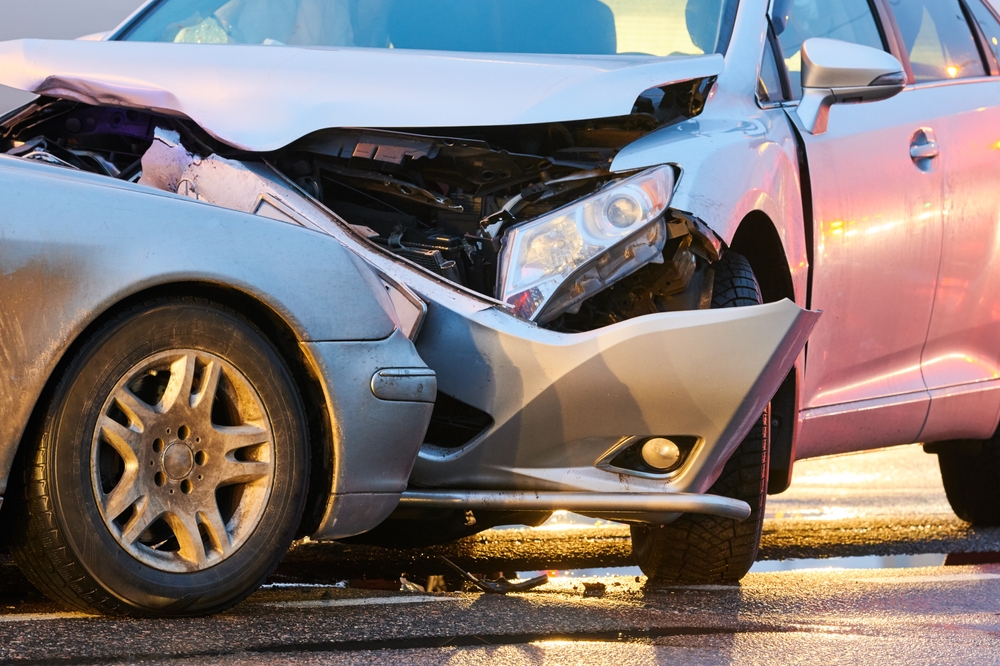
Raw EDR data usually looks like lines of hexadecimal code or a series of confusing graphs and charts. On its own, it is useless in a legal setting. It needs to be translated into a clear and compelling narrative that a judge or jury can understand.
At William Mattar Accident Lawyers we can collaborate with accident reconstructionists to analyze this data. These professionals may interpret the binary code and translate it into a factual story of the crash. Here is how that data could be used to prove a case:
- Proving Speed: The other driver claims they were driving at the speed limit of 30 mph. The EDR data, however, shows their vehicle was traveling at 55 mph just two seconds before impact.
- Proving Braking (or Lack Thereof): The defendant claims you came out of nowhere, implying you were at fault. The EDR data might show they did not apply the brakes until 0.5 seconds before impact, demonstrating inattention and a delayed reaction.
- Proving Severity (Delta-V): In New York, your injuries must meet the Serious Injury threshold to pursue compensation beyond basic economic loss. If your car has little visible damage, a defense attorney might argue the crash was too minor to cause significant harm. EDR data showing a high Delta-V (a measure of the change in velocity) proves the violent forces that were transferred to the vehicle's occupants, which may validate spinal, internal, or traumatic brain injuries that are not visible from the outside.
New York Specifics: Comparative Negligence and Privacy
New York follows a pure comparative negligence rule. This legal standard, found in New York Civil Practice Law & Rules (CPLR) § 1411, means that your potential compensation may be reduced by your percentage of fault in an accident.
An insurance company will conduct its own investigation to find any reason to assign a percentage of fault to you. They may interpret the crash circumstances to argue you were speeding, failed to brake in time, or were otherwise negligent.
We use the EDR data to protect you against unfair allegations of comparative fault. By proving you were traveling at the speed limit, had your seatbelt on, and took appropriate evasive action, we can build a strong defense against attempts to shift blame. This is one of the key ways a car accident lawyer can help strengthen your case and protect your right to full compensation. It allows us to hold the at-fault party accountable for their share of responsibility.
Frequently Asked Questions About Vehicle Event Data Recorders
Can I access the EDR data from my own car by myself?
While it is technically possible, you should not attempt to do this. Accessing the data requires expensive, dedicated hardware and software, like the Bosch Crash Data Retrieval (CDR) tool. More importantly, attempting to download the data yourself could lead to claims that you tampered with or spoiled the evidence, which could make it inadmissible in court.
Does the black box record my conversations?
Generally, no. Standard EDRs are designed to capture vehicle dynamics and do not record cabin audio. However, some advanced telematics systems or built-in SOS services (like OnStar) may record audio during a call made immediately after a crash, and this audio could potentially be discoverable in a lawsuit.
How long does the data stay on the device?
This depends on the severity of the crash. A non-deployment event, where the airbags did not deploy, may have its data overwritten after a certain number of ignition cycles (i.e., driving the car a few more times). A deployment event, where airbags went off, usually locks the data permanently. This is why acting immediately to preserve the vehicle is so important.
Can EDR data prove I didn't cause the accident even if the police report says I did?
Yes, absolutely. A police report is based on witness statements and an officer's on-scene observations, which may sometimes be incomplete or incorrect. EDR data is based on objective physics and computer measurements. If the hard data from the EDR contradicts the narrative in the police report, the data will typically carry more weight in a legal setting because it is not subject to human error or bias.
Data Doesn't Lie, Even When Drivers Do
After a crash, one of the most stressful feelings is realizing that it is your word against the other driver's—and their insurance company is standing firmly on their side. You do not have to rely on shaky memories, biased witness statements, or an inaccurate police report to prove what happened to you.
Data recorders in modern vehicles allow us to reconstruct the reality of a collision with mathematical precision. It could turn a complicated legal fight into a clear, factual narrative.
Don't let the key evidence in your case disappear in a scrapyard. Our team at William Mattar Accident Lawyers has experience securing and analyzing vehicle data to build the strongest possible case for our clients. Call us today to start the preservation process.