You trust your Lyft driver to get you to your destination safely. But when a crash happens, they break that trust, leaving you with injuries and urgent questions about how to pay for them. New York rideshare accident lawyers can help you understand your rights, determine who’s responsible, and pursue the compensation you deserve. What happens if my Lyft driver gets in an accident?
This is a question many passengers face after such incidents.
After a Lyft Accident: What You Need to Know
Act Promptly: Statutes of limitations restrict how long you have to file a claim.Who Covers the Damages After a Rideshare Accident?
Insurance Coverage Varies: Who pays depends on the driver's status in the Lyft app at the time of the crash.
Lyft's $1 Million Policy: This policy applies when you are a passenger in the vehicle, covering injuries and damages.
Multiple Parties Can Be Liable: Responsibility may fall on the Lyft driver, another motorist, or even Lyft itself in rare cases.
Seek Immediate Medical Care: Your health is the priority. Documenting injuries is also critical for any future legal claim.
A regular car accident involves two drivers, but with Lyft, the situation changes because of the company's insurance policies.
Factors affecting coverage
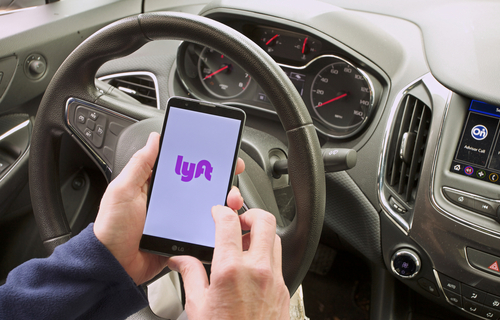
Insurance coverage in a Lyft accident depends on the driver’s rideshare status at the time:
Driver Not Logged Into the App: If your driver was not logged into the Lyft app during the accident, the company’s insurance does not apply. Only the driver’s personal insurance is available in this case.
Driver Logged Into the App But Without a Passenger: Lyft provides limited coverage while their driver waits for ride requests. Typically, this includes:
- $50,000 per person for bodily injury.
- $100,000 per accident for bodily injury.
- $25,000 for property damage.
Driver Logged Into the App with a Passenger (or En Route to Pick One Up): Once the driver accepts a ride or has a passenger onboard, Lyft’s $1 million insurance policy comes into play. This includes liability coverage and coverage for uninsured or underinsured drivers.
Claims may involve a combination of Lyft's insurance and the driver’s policy. This can make the process more complex, as rideshare accidents often involve multiple insurance carriers and overlapping coverage rules.
Common Passenger Injuries After a Lyft Accident
Rideshare vehicles may feel safe, but no one is immune to injuries during a crash. Accidents involving Lyft drivers can cause various injuries to passengers.
Frequent injuries seen in rideshare accidents
- Whiplash:
- The sudden movement during a collision can strain your neck and shoulders.
- Broken Bones:
- High-speed crashes may cause fractures, especially in the arms and legs.
- Head Injuries:
- Hitting your head on the window or seat can lead to concussions or other traumatic brain injuries.
Minor scratches and bruises could heal quickly, but severe injuries might require extended treatment. No matter the extent, seek medical attention. A doctor’s documentation also strengthens any legal claim you're entitled to file.
How to Handle Medical Bills While Waiting for a Settlement
Medical bills can add up quickly after a rideshare accident, especially if the injuries are serious. If you’re waiting for a settlement to cover these costs, you might feel unsure about how to manage them in the meantime.
Taking the right steps can help you stay on top of your expenses and reduce stress during recovery.
Explore payment plan options with healthcare providers
Many healthcare providers understand that patients might face financial challenges after an accident. Contact the billing department and ask about payment plans. These plans can spread out your payments over several months and make your bills more manageable.
Some hospitals and clinics may even offer options with little or no interest.
When negotiating, be upfront about your financial situation and explain that you’re waiting for a settlement. Providers may be willing to delay payments or reduce amounts owed if they know funds are coming.
Utilize health insurance coverage
Your health insurance can play an important role in managing medical bills while a settlement is pending. Submit all accident-related claims to your insurance company to ensure coverage under your policy.
However, keep careful records of what your insurance pays and what remains your responsibility. Be aware that health insurers may seek reimbursement from your settlement for medical costs they’ve covered. This process, known as subrogation, is common.
Talk to your lawyer to understand how subrogation might affect your final settlement.
Look into no-fault insurance benefits
If you were in an accident in New York, no-fault insurance could cover some of your medical expenses and lost wages. This type of coverage kicks in regardless of who was at fault in the accident. Contact your insurance company to file a no-fault claim, and provide any required documentation promptly to avoid delays.
Use patient assistance programs
Some medical facilities and organizations offer patient assistance programs for those facing financial hardship. These programs may forgive or significantly reduce medical debt based on income and need.
Research local hospitals or charities that provide these services, or ask your healthcare provider for recommendations.
Take advantage of personal loans or other short-term financial solutions
If other options aren’t enough to cover your bills, you might consider a personal loan or using a low-interest credit card. While these are temporary solutions, they can help prevent unpaid medical debts from affecting your credit.
Additionally, pre-settlement funding, sometimes called litigation funding, could be another resource. This involves borrowing money to be repaid once you receive your settlement. Work with a trusted legal professional if you consider this option, as it often involves high fees and terms you should fully understand.
Keep records of all expenses
Throughout this process, document any payments you make toward your medical bills. Keep copies of receipts, insurance documents, and correspondence with healthcare providers. These records will be important when negotiating your settlement, ensuring all costs are accounted for. Common victims in rideshare accidents include passengers, other drivers, pedestrians, and cyclists — anyone affected by the negligence of a rideshare driver or another motorist.
Taking practical steps to manage your medical bills can make recovery a little easier while you wait for a settlement. It also helps ensure that you can focus on healing without unnecessary financial stress.
Steps to Take During Your Recovery After a Rideshare Accident
Recovering from a rideshare accident doesn’t end with leaving the scene; it continues in the days that follow. Taking the right steps during the healing process can help you safeguard your rights and move toward physical and emotional recovery.
Key Actions to Focus On During Recovery
- Attend Follow-Up Medical Appointments
- Stick to the treatment plan your doctor recommends. Attend all scheduled medical appointments, physical therapy sessions, or follow-ups.
- Keep a journal of your symptoms, progress, and any setbacks. This can support your recovery and any legal claims.
- Maintain Documentation
- Store all paperwork, including doctor’s notes, medical bills, and receipts for expenses related to the accident.
- Record key details about how the accident has impacted your daily life, such as missed workdays or difficulty performing normal tasks.
- Speak with Your Insurance Company
- Notify your insurance provider about the accident if you haven’t already. Keep communications clear and stick to the facts.
- Seek Emotional Support
- Stress and trauma from the accident can take a toll. Whether through therapy, support groups, or friends, invest in your emotional well-being as you heal.
Taking these steps over the course of your recovery can help you stay on track, not only physically but also in terms of protecting your legal options.
Who Can You Hold Liable?
Determining responsibility in a Lyft accident is not always clear. Liability can depend on several factors and involve multiple parties.
Potentially liable parties
- The Lyft Driver:
- If the accident happened because of speeding, distracted driving, or other reckless behavior.
- Other Drivers:
- The actions of another driver could have caused the crash. This party might bear full or partial responsibility.
- Lyft Itself:
- While Lyft rarely accepts direct blame, their insurance may come into play under specific circumstances.
A Claims Process That Can Be Complicated
Since more than one party might share responsibility, filing insurance claims can become lengthy and involve disagreement about who owes what. This is why having legal guidance can be helpful, particularly when rideshare accident injuries range from whiplash and broken bones to severe head or spinal trauma that may require long-term care.
What Happens If the Accident Wasn't the Driver's Fault?
Accidents don't always happen because of the driver. If your Lyft driver is hit by another car, the situation changes.
Steps to take in this case
- Report the crash to Lyft through their app.
- File a claim with the insurance company of the at-fault driver.
- If that driver lacks adequate insurance, Lyft’s uninsured motorist coverage will likely assist.
Again, gathering evidence like photos and police reports is key to proving fault in an accident where another driver caused the crash.
What Makes Rideshare Claims Different from Other Accidents?

Lyft claims differ from standard auto accident claims because of the company’s unique business model. Unlike traditional taxis, Lyft drivers use their own vehicles and operate as independent contractors, which can complicate liability after an accident injury when determining whose insurance coverage applies.
Key Differences in Rideshare Claims
- Multiple Insurance Policies:
- A claim may involve both the driver’s personal policy and Lyft’s coverage.
- Higher Coverage Limits:
- Lyft’s $1 million policy provides higher coverage for passenger injuries than most personal auto policies.
- Policies Depending on App Status:
- Whether the app was on, off, or actively being used changes how damages are handled.
Given these complexities, passengers often find rideshare accidents harder to resolve than accidents involving private vehicles.
What Does Lyft’s $1 Million Insurance Actually Cover?
Lyft’s insurance exists to protect passengers from more than just basic costs. But what does the $1 million policy include?
Coverage Breakdown
- Bodily Injury: Medical bills related to treatment for injuries.
- Property Damage: Repairs or replacements if your personal belongings are damaged in the crash.
- Uninsured/Underinsured Motorist Coverage: Helps if a driver without the necessary insurance hits your Lyft.
This policy applies only under specific conditions, like during a ride. Even with coverage in place, getting the full amount can be challenging, which is why legal assistance might help.
What If You Miss Work Because of the Accident?
Rideshare accidents affect your health and can disrupt your daily life. Missing work or being unable to perform your job due to an injury can create financial stress.
Compensation for lost wages
- Document Earnings:
- Provide pay stubs, W-2 forms, or other records showing your income before the accident.
- Estimate Future Losses:
- If your injuries limit your ability to work long-term, you may need to calculate earning potential loss.
Compensation isn’t automatic. You need evidence to show how much work you've missed and why.
Can You Sue Lyft After an Accident?
Many passengers wonder if they can file a lawsuit directly against Lyft. While it’s possible, it’s not straightforward.
When you may sue
Lyft’s liability depends on whether the company acted negligently. For instance:
- If Lyft failed to ensure their app worked as intended, causing the accident.
- If they allowed a driver with a history of unsafe driving to stay on their platform.
However, because Lyft drivers are independent contractors, Lyft often avoids liability. Seeking legal guidance can help determine if a lawsuit against the company applies. Even if it doesn’t, Lyft’s substantial insurance policy may cover the driver’s actions, and knowing what accident lawyers do can make a major difference in how effectively your claim is handled.
Settling or Taking the Case to Court
Most rideshare accident cases settle outside of court. This can save time and eliminate the uncertainty of a trial. However, not all settlements offer fair compensation.
Factors to Consider
- Fairness of The Offer:
- Does the settlement cover medical costs, lost wages, and emotional suffering? If not, it may not be worth accepting.
- Strength of Evidence:
- A strong case with clear evidence may warrant pursuing higher compensation.
Sometimes, rejecting a low settlement and preparing for trial can lead to a better outcome.
The Most Important Thing to Do After an Accident
If you've been hurt in a Lyft accident, the most important thing you can do is to act promptly. Waiting too long can hurt your case and make it harder to recover damages, so consulting an attorney early can clarify what a lawyer cost for a car accident might be and help you move forward without financial worry.
Action checklist:
- Seek medical care immediately, even if injuries seem small.
- Report the accident through all proper channels, including local authorities and Lyft itself.
- Keep organized records of accident-related costs and losses.
Protecting your rights starts with being informed and prepared to take action.
How William Mattar Can Help

If you're involved in a Lyft accident and feel unsure about the next steps, you don’t have to figure it all out on your own. Our team at William Mattar has experience in motor vehicle accident cases.
Our goal is to guide you through the legal process so you can pursue the compensation you deserve. Contact William Mattar at (844) 444-4444. We're here to help if you've been injured in a rideshare accident.