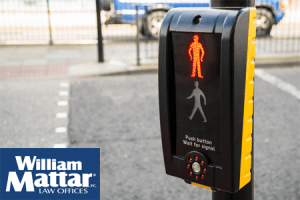
After a pedestrian accident, one of the most common points of confusion revolves around who had the right to be in that space at that exact moment. While many people believe pedestrians automatically have the right of way, the reality of New York traffic law is more complex.
Both pedestrians and the drivers of motor vehicles must exercise reasonable care and follow the rules of the road to ensure that everyone has the safest experience possible. Regardless of who has the right of way, motorists must always exercise reasonable care to avoid colliding with pedestrians.
When Do Pedestrians Typically Have the Right of Way in New York?
In many common scenarios across New York State, from the intersections of Manhattan to the quieter suburban streets of Williamsville, the law gives precedence to the person on foot. A driver’s failure to yield when required can form the basis of a strong personal injury claim.
- At Marked or Unmarked Crosswalks: When you are in a crosswalk, whether it’s painted with bright white lines or is simply the natural extension of a sidewalk at an intersection, drivers must yield to you. This is a foundational rule of road sharing.
- With a "Walk" Signal: At intersections controlled by traffic signals, a "Walk" or pedestrian-shaped symbol gives you the clear right of way to cross in the designated crosswalk. Approaching vehicles are required to stop and wait for you to cross safely.
- When a Vehicle Has a Stop or Yield Sign: If a driver is approaching an intersection with a stop sign or a yield sign, they must come to a stop or slow down and yield to any pedestrian crossing the street, even if you are not in a marked crosswalk.
These rules are designed to create predictable and safe environments for everyone sharing the road.
What About Crossing Sidewalks or Entering Driveways?
It’s easy to think of pedestrian right of way only in terms of crossing a street, but it also applies in other situations. Motorists are often required to cross over sidewalks to enter or exit private driveways, alleyways, or parking lots, such as those found at a large shopping center like the Walden Galleria.
- When a vehicle’s path crosses over a sidewalk, the driver must yield to any pedestrian using that sidewalk.
- You, as the pedestrian, have the right to continue your path without being forced to stop or dodge a vehicle entering or exiting a property.
- This rule applies whether you are walking, jogging, or using a mobility device on the sidewalk.
A driver’s failure to look for foot traffic before crossing a sidewalk is a frequent cause of serious injuries.
Are There Times When a Pedestrian Must Yield to Traffic?
While you have significant protections, the concept of pedestrian right of way is not absolute. To keep everyone safe, there are specific situations where the responsibility shifts, and you are required to yield to vehicle traffic.
- Crossing a Road Outside of a Crosswalk: If you decide to cross a street at a point where there is no marked or unmarked crosswalk, often referred to as crossing mid-block, you have a duty to yield to all vehicles on the roadway.
- Disobeying Traffic Signals: Just as drivers must obey red lights, pedestrians must obey "Don't Walk" signals or the upright red hand symbol. Entering an intersection against the signal means you must yield to vehicles that have a green light.
- Suddenly Leaving a Curb: You cannot leave a curb or other place of safety and walk or run into the path of a vehicle that is so close it is practically impossible for the driver to stop in time.
In these circumstances, the expectation is that the pedestrian will wait for a safe gap in traffic before proceeding. While a pedestrian may have been negligent, under New York’s pure comparative fault system such negligence does not necessarily preclude recovery.
What is a Driver's Duty of Due Care?
Even in situations where a pedestrian does not have the technical right of way, drivers are not given a free pass to be reckless. New York law imposes a "duty of due care" on all motorists at all times. This means they must remain vigilant and do everything reasonably possible to avoid a collision with a person on foot.
- A driver must always be aware of their surroundings, which includes looking out for pedestrians, especially in residential areas, near parks, or in downtown business districts like those in Rochester or Syracuse.
- They are expected to reduce speed when conditions warrant it, such as in bad weather, at night, or when children are present.
- A driver's duty of due care means they cannot be distracted by their phone, the radio, or anything else that takes their attention off the critical task of driving.
This overarching responsibility means a driver can still be found at fault for an accident, even if the pedestrian was not in a crosswalk.
What Steps Should You Take After a Pedestrian Accident?
Once you have received emergency medical care and are back home, taking a few organized steps can help you feel more in control and preserve important information related to your accident.
- Organize Your Documents: Create a file and keep all accident-related paperwork together. This includes the police report information, the driver’s insurance details, any receipts for medical co-pays or prescriptions, and letters from insurance companies.
- Track Your Recovery: Keep a simple journal detailing your pain levels, medical appointments, and how your injuries are affecting your daily life. Taking photos of your injuries as they bruise and heal can also be helpful.
- Be Cautious with Insurance Adjusters: The at-fault driver's insurance company may contact you quickly. It is often wise to avoid giving a recorded statement or accepting a quick settlement offer until you fully understand the extent of your injuries and your rights.
These actions can form a crucial foundation for building a potential injury claim later on.
How Does Comparative Negligence Affect a Pedestrian Claim in New York?
After an accident, it is not always a case of one person being 100% at fault. New York follows a "pure comparative negligence" rule. This legal doctrine means that if you are found to be partially responsible for the accident, you can still recover compensation, but your final award will be reduced by your percentage of fault.
For example, imagine a driver was speeding through an intersection in Albany and struck you while you were in the crosswalk. However, it was determined that you were looking down at your phone and not paying full attention as you crossed. A court might find the driver 90% at fault for speeding but find you 10% at fault for being distracted.
Factors that could potentially contribute to a pedestrian's share of fault include:
- Crossing against a traffic signal.
- Wearing dark, non-reflective clothing at night, making you difficult to see.
- Being distracted by a phone or headphones while walking into a street.
An insurance adjuster may try to use the principle of comparative negligence to shift as much blame as possible onto you to reduce the amount they have to pay.
The Importance of Consistent Medical Care
Your health is the absolute top priority after any accident. The injuries sustained when a multi-ton vehicle strikes a person can be severe and may not all be immediately apparent.
- Hidden Injuries: Some serious conditions, like internal bleeding or a traumatic brain injury (TBI), may have delayed symptoms. What feels like simple soreness at first could be a sign of something more significant.
- Soft Tissue Injuries: Injuries to muscles, ligaments, and tendons, like whiplash, can cause chronic pain and limitations if not properly diagnosed and treated.
- Fractures and Broken Bones: These are common in pedestrian accidents and can require surgery, casts, and extensive physical therapy, leading to significant time away from work.
It is vital to attend all follow-up appointments with your doctors and specialists and to follow their treatment plans precisely. This not only aids in your physical recovery but also creates a clear medical record that documents the full impact of the accident on your health and well-being.
FAQ for The Basics of Pedestrian Right of Way
Here are answers to some other common questions that arise after a pedestrian accident.
What if the crosswalk markings were faded or unclear?
Even if the painted lines of a crosswalk are worn down or faded due to weather and traffic, it is still considered a legal crosswalk if it is located at an intersection. Drivers still have a duty to yield to pedestrians crossing at these unmarked crosswalks.
Does pedestrian right-of-way change in a parking lot?
Parking lots are private property, but are generally subject to the same principles of safe driving. While there may not be traffic signals, drivers are expected to operate at low speeds and yield to pedestrians who are walking to or from their vehicles or the store entrance.
Can a driver be at fault even if I was jaywalking?
Yes, it is possible. Because of the driver's duty of due care, if they had a clear opportunity to see you and avoid the collision but failed to do so because they were speeding or distracted, they can still be held partially or even fully at fault.
What should I do if the driver who hit me fled the scene?
A hit-and-run accident is a terrifying experience. If this happened to you, it is important to try to recall any detail about the vehicle, such as its color, make, model, or any part of the license plate. Your own auto insurance policy may have provisions for uninsured or unidentified motorist coverage that can help you. It is critical that the accident be reported to the police immediately after the collision.
How long do I have to file a claim for a pedestrian accident in New York?
In New York, there are strict time limits, known as statutes of limitations, for filing a personal injury lawsuit. These deadlines can be complex and vary depending on the circumstances of your case, so understanding the specific timeline that applies to you is very important.
What happens if I was hit by a city bus or another government vehicle?
When the vehicle that struck you is owned by a city, state, or other government entity, the process for seeking compensation can be very different. There are special rules and much shorter deadlines for filing a "Notice of Claim" against a municipality. These timeframes are often significantly shorter than the standard statute of limitations for accidents involving private citizens.
Does my own car insurance apply if I was hit while walking?
This is a common point of confusion. In New York, your own automobile insurance policy can be important even if you were not in your car. The state’s No-Fault insurance system means that your own policy may be the primary source for initial benefits covering your medical expenses and a portion of your lost wages, regardless of who was at fault for the accident. If you do not own a car or have a policy, these No-Fault benefits may be available through the policy of the vehicle that struck you.
Legal Support When You Need It Most
While you focus on healing, having a dedicated team to handle the details of your claim can lift a heavy burden from your shoulders. The legal process may be unfamiliar territory for you, but it is the sole focus for our team.
If you have been hurt, time is a critical factor. Each day that passes can make it more difficult to gather evidence and build the strongest possible case. With our No Fee Until We Win promise, you do not have to worry about upfront costs.
Let our team of legal professionals put their decades of experience to work for you. Contact William Mattar Accident Lawyers today at (716) 444-4444 or through our online form to discuss your case and legal options during a free, no-obligation consultation.