Rear-end collisions are among the most common types of motor vehicle accidents in New York. They can lead to physical injuries, financial losses, and legal complications. Whether the impact happened at a red light, in traffic, or a parking lot, what you do next can influence the outcome of your insurance claim and any future legal action.
This guide by William Mattar Accident Lawyers outlines some things to consider if a car hits you from behind, how fault is determined under New York law, and what you can expect when dealing with insurance companies. Speaking with a New York car accident lawyer can also give you clear direction on protecting your rights and pursuing fair compensation.
Immediate Steps After a Rear-End Collision
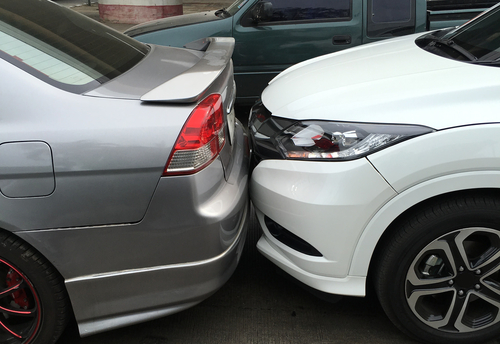
Emergency medical personnel can evaluate injuries on site, and law enforcement will generate a police report documenting the incident. Car accident lawyers do more than review these reports—they gather additional evidence, interview witnesses, and ensure your rights are protected from the start.
Once safety is secured, if possible, it is advisable to gather and exchange the following information:
- Names and contact details of all drivers and passengers involved
- Driver’s license numbers and license plate numbers
- Insurance provider and policy numbers
- Contact information for any witnesses
Avoid speculating about what might have caused the accident.
If safe and possible, photograph the accident scene from multiple angles before the vehicles are moved. Include vehicle damage, skid marks, traffic signs, and road conditions. If video surveillance is present nearby, such as cameras on a storefront or at a traffic light, take note of the location and time in case footage can be requested.
Rear-end collisions often result in injuries. For this reason, medical attention should not be postponed. Even a low-speed collision can result in whiplash or spinal strain that worsens over time.
Once you leave the scene, request a copy of the police report as soon as it becomes available. In New York, crash reports are typically filed with the Department of Motor Vehicles and can be obtained online or through the responding police department. This document can serve as critical evidence if you need to pursue a car accident lawsuit.
Law enforcement officers may document the scene and collect the details. When you can, obtain a copy of the police report and follow up with a medical provider to ensure that all injuries are documented for potential use in your claim.
A New York car accident lawyer can help you obtain the complete crash report, secure additional evidence such as witness statements or traffic camera footage, and take the next steps to protect your right to compensation.
Rear-End Collisions and Common Injuries
A rear-end accident can cause the body to move suddenly forward and back, even when seatbelts are worn. This movement can strain muscles, damage joints, or compress the spine. Not all injuries are visible or immediate, so medical documentation is integral to any personal injury claim, particularly when dealing with the insurance company after a car accident.
Common injuries associated with rear-end collisions include:
- Whiplash and cervical strain
- Concussions or mild traumatic brain injury
- Lower back pain and herniated discs
- Soft tissue injuries in the shoulders or knees
- Headaches, dizziness, or blurred vision
These injuries may seem minor in the first hours or days but can interfere with work, sleep, or daily activities. Insurers can also use delayed treatment or lack of consistent follow-up to argue that the injury was not severe or not caused by the accident. For this reason, documenting symptoms and keeping all appointments with your physician or physical therapist helps support the legitimacy of your claim.
Diagnostic records, treatment plans, and prescriptions provide a timeline of medical care that links your injury to the collision. This documentation can also assist in calculating the full extent of your financial losses and non-economic damages, such as pain or limited mobility.
If you experience any new or worsening symptoms after the initial visit, report them to your healthcare provider. These updates should be added to your medical record and may affect your treatment plan and recovery expectations.
Fault in Rear-End Accidents: What New York Law Says
In most cases, the driver who rear-ends another vehicle is presumed to be at fault. Traffic laws require drivers to maintain a safe distance and be prepared to stop when the vehicle in front slows down. However, this presumption is not absolute. Fault may be shared or disputed under New York’s comparative negligence rules, raising the question after a car accident: can you file an injury claim if partial fault is involved?
For example, suppose the lead driver reversed unexpectedly, failed to use brake lights, or stopped abruptly for no apparent reason. In that case, the trailing driver may argue that those actions contributed to the collision. In such cases, fault may be divided between both drivers.
New York follows a pure comparative fault rule. This means that even if you are partially responsible for the accident, you can still recover damages. However, your compensation may be reduced by the percentage of fault assigned to you. Always consult with a rear-end car accident attorney before deciding if you are at fault for an accident.
Establishing fault requires evidence. Police reports, witness statements, traffic camera footage, and physical evidence such as vehicle damage and skid marks can all be used to show how the collision occurred. In multi-vehicle rear-end accidents, the situation becomes more complex. Liability may be distributed among multiple drivers depending on the sequence of impacts and the actions taken by each party before the crash.
Legal counsel can help evaluate the available evidence, interpret New York traffic laws, and determine whether fault is likely to be contested.
What to Do if the Insurance Company Denies Your Claim
Even when liability seems clear, insurance companies may deny a claim for several reasons. A common issue is delayed medical treatment. If you wait too long to seek care, the insurer may argue that the injury was caused by something else. Other denials stem from incomplete documentation, inconsistent statements, or disputes over whether the insured driver caused the accident, showing how it can affect car accident claim outcomes and delay fair compensation.
In some cases, a claim may be denied in full. In others, a settlement offer may be made that does not reflect the full extent of your injuries or losses.
If your claim is denied or undervalued, you have options:
- Request a written explanation of the denial, including references to the policy language or evidence used to make the decision.
- Submit additional documentation if records were missing, unclear, or incomplete during the initial review.
- File an internal appeal with the insurance provider, which may involve a second review or evaluation by a claims supervisor.
- Consult legal counsel to review the claim and prepare a formal response or demand letter supported by medical evidence and financial documentation.
Claims involving uninsured or underinsured motorists may require submission through your own policy. New York drivers are required to carry uninsured motorist coverage, which may apply in hit-and-run situations or when the at-fault driver has no insurance.
Compensation After Being Rear-Ended: What You May Be Entitled To
A personal injury claim after a rear-end collision aims to recover compensation for the damages suffered. In New York, injured drivers and passengers may pursue economic and non-economic damages depending on the severity of the injury and whether it meets the state’s legal threshold for suing outside the no-fault system, which also determines how insurance claims after a New York car accident are handled and what compensation may be available.
Economic damages include financial losses verified through bills, invoices, or employment records. These often include:
- Emergency room visits and hospital stays
- Diagnostic testing and physical therapy
- Prescription medications and assistive devices
- Lost wages from missed work
- Future earnings reduced by long-term limitations
- Vehicle repair or replacement costs
In New York certain limited lost wages and medical expenses will be covered by no-fault insurance. Non-economic damages account for physical pain, emotional strain, and reduced quality of life. These may include:
- Chronic discomfort or limited mobility
- Sleep disruption or anxiety
- Loss of enjoyment in recreational or social activities
- Strain on personal relationships
New York’s no-fault insurance system limits lawsuits. However, if a person suffers what the law defines as a “serious injury,” they may step outside the no-fault rules and pursue additional damages.
Qualifying conditions include significant disfigurement, permanent loss of bodily function.
Insurance companies may challenge whether an injury meets this threshold. Medical records, physician statements, and documented limitations in work or activity play a key role in overcoming that barrier.
Calculating non-economic damages does not follow a fixed formula. Each case is evaluated based on its unique facts. The same injury may have different consequences for two individuals depending on their age, health, occupation, or responsibilities at home. For this reason, the strength and depth of your documentation can influence how insurers or courts assess the claim's value, which is also how a car accident settlement work in practice when determining fair compensation.
Rear-End Collisions Involving Special Circumstances

Not all rear-end accidents involve two private passenger vehicles. Circumstances may differ when a commercial vehicle, rental car, or uninsured driver is involved.
Commercial Vehicles
Rear-end collisions with commercial vehicles—such as delivery trucks or company vans—may involve additional legal considerations. The employer may be liable if the driver worked during the accident in these cases. Commercial insurance policies often carry higher coverage limits, but the process may involve more parties, including corporate claims departments or third-party administrators.
Rental Cars
Rental car collisions introduce contractual obligations between the driver and the rental company. If the vehicle that rear-ended you was rented, it is important to obtain both the driver’s insurance details and the rental company's name. Liability may depend on whether the driver purchased supplemental coverage or was operating the vehicle within the terms of the agreement.
Uninsured and Underinsured
Uninsured and underinsured motorist claims allow you to seek compensation from your own insurance provider when the at-fault driver lacks sufficient coverage. These claims are subject to separate procedures and deadlines. In New York, uninsured motorist coverage is mandatory and included in every policy. Underinsured motorist coverage, while optional, may also provide protection when the at-fault driver’s limits do not cover your total losses.
Parking Lot and Traffic Signals
Parking lot or red light rear-end collisions can raise questions about visibility, traffic signal operation, or sudden stops. In some cases, shared fault may be alleged even when the rear vehicle made contact. Surveillance video, dash cam footage, and eyewitness statements can help clarify these events, especially when traffic congestion or confusing signage contributes to driver behavior.
Each of these scenarios may introduce additional insurance layers or procedural steps. Preserving all available evidence and reporting the accident to your insurance provider immediately can help protect your claim.
When to Contact a Car Accident Lawyer
Rear-end collisions may seem straightforward initially, but many claims become contested once medical expenses rise or insurers seek to minimize payout. Contacting a New York car accident lawyer early in the process helps ensure that evidence is preserved, documentation is complete, and legal deadlines are met.
You may benefit from legal assistance if:
- Your injuries interfere with your ability to work or care for yourself
- The insurance company delays communication or denies your claim
- Multiple vehicles were involved, and the fault is unclear
- The other driver has limited or no insurance
- You received a low settlement offer that does not reflect your losses
In New York, the statute of limitations for personal injury claims is generally three years from the accident date, but every case is unique. Some deadlines are much shorter. Claims against municipalities or government entities may carry shorter deadlines and require specific notice procedures. Waiting too long to take action may prevent you from recovering compensation, even if the evidence supports your claim.
Attorneys can also assist in calculating current and projected losses, reviewing policy language for potential coverage, and preparing claims for arbitration or litigation when necessary. Most personal injury law firms, including William Mattar Accident Lawyers, offer free consultations, allowing you to learn more about your options without financial risk, making it easier to choose the best lawyer for your case.
Protecting Yourself After a Rear-End Collision
Rear-end collisions can lead to more than vehicle damage. Injuries may appear days after the incident, claims may be denied, and compensation can be delayed or reduced without adequate documentation. Knowing what to do after being struck from behind helps protect your ability to recover physically and financially.
By acting promptly, documenting your medical treatment, and preserving communication with insurers, you can build a claim supported by facts rather than assumptions. Legal counsel can help you evaluate your options and prepare your case if the process becomes difficult to manage alone.
Contact a Car Crash Attorney if You’ve Been Hit From Behind

Being struck from behind can disrupt your health, finances, and daily life. Medical bills, repair costs, and lost time at work often follow a collision, leaving many unsure where to turn. Legal representation can help clarify your options and protect your right to compensation when the insurance process becomes delayed or overwhelming.
At William Mattar Accident Lawyers, our team has experience handling rear-end collision claims across New York. We work closely with clients to secure documentation, manage communication with insurers, and pursue fair results under the law.
If you have been injured in a rear-end crash, call (844) 444-4444 to speak with a New York car accident lawyer. Your consultation is free, and there is no obligation. We are here to help you move forward and get the compensation you deserve.