Starting the process for a drunk driving accident lawsuit in Buffalo means dealing with immediate injuries, complicated insurance issues, and the frustration of an incident that never should have happened.
The right Buffalo DWI accident attorney doesn’t just file paperwork. They provide direction, advocate for fair recovery, and help remove legal and insurance obstacles that can stand in the way of moving forward after a crash.
Filing a claim isn’t only about compensation. It’s about restoring a sense of control, securing resources for recovery, and challenging those responsible under New York personal injury law, which is why many people choose to speak with a New York Drunk Driving Accident Lawyer to understand their rights and strengthen their path forward.
Concerns about evidence, meeting deadlines, and proving fault are all valid, especially when insurance companies question claims or minimize the severity of traumatic injuries.
With legal insights from the drunk driving accident injury lawyers at William Mattar Accident Lawyers those affected by an impaired driver have real tools to push back against low settlements, assert their rights, and pursue meaningful results.
Ready to explore your legal rights and options? Schedule a free case evaluation online or call 716-444-4444 anytime, day or night.
Key Takeaways About How To File a Drunk Driving Accident Lawsuit in Buffalo, New York
- Lawsuits for drunk driving accidents in Buffalo require careful documentation, quick action on legal deadlines, and a focused approach to evidence and negotiation.
- New York’s comparative negligence law might affect settlement value, so every claim benefits from clear proof and advocacy to push back on unfair blame.
- Recovery can include damages for medical bills, pain and suffering, lost wages, disability, and, in some cases, punitive awards for reckless driver behavior.
- Deadlines matter. Most lawsuits must be filed within three years; however, claims against municipalities often carry a shorter notice period.
- Each legal step, from gathering documents to communicating with insurance carriers, can significantly impact the final recovery and peace of mind.
Steps for Filing a Drunk Driving Accident Lawsuit in Buffalo, NY
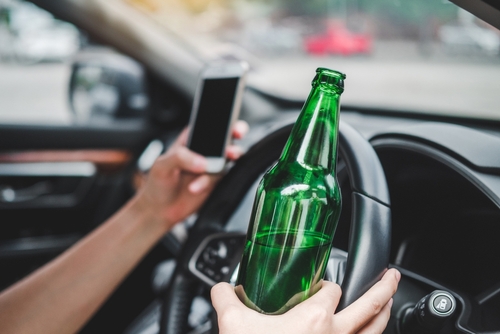
Launching a lawsuit is about preparation and timing, and these early actions lay the groundwork for a strong case. This is particularly true for Drunk driving car accidents in New York, where quick documentation, immediate reporting, and organized evidence collection can shape the outcome of your claim.
- Call the police and request medical help at the scene to create an initial record.
- Secure a copy of the police accident report, as this document is often foundational to the legal process.
- Collect information from witnesses and keep their contact info organized for later use.
- Take photographs of injuries, vehicle damage, skid marks, debris, and any alcohol containers or evidence.
- Get a medical evaluation right away, even if symptoms seem minor. Prompt documentation strengthens any future claim.
Following up on these early details helps ensure that no part of your story goes undocumented or undervalued. The legal process extends well beyond the first week, but a firm starting point puts everything else in focus.
Proving Fault and the Role of Evidence
A big part of the legal process is tying together facts about the crash, evidence of impairment, and the way injuries have changed daily life. Strong proof often includes:
- Breathalyzer or blood alcohol test results showing impairment at the scene.
- Officer observations, including documented behaviors or admissions by the impaired driver.
- Dashcam or surveillance footage, when available, to show traffic conditions, movements, or open containers.
- Treatment records from EMTs, hospitals, and follow-up providers, connecting the injury to the incident.
- Statements from anyone who saw the collision or the driver’s conduct immediately before or after the crash.
Each piece strengthens the connection between the accident and the at-fault driver’s choices, helping your attorney make a clear-cut case.
Understanding Comparative Negligence in New York Auto Accidents
New York's comparative negligence statute allows for recovery even when the injured party bears partial responsibility.
If both the impaired driver and another party (including the claimant themselves) contributed to the crash, any recovery might be reduced by the appropriate percentage, which often becomes a key point of dispute in drunk driving cases.
A Buffalo DWI accident attorney can help interpret comparative negligence issues, push back against insurer tactics, and ensure the facts are thoroughly represented.
The Legal Process for Buffalo Drunk Driving Crash Lawsuits
Pursuing a lawsuit involves a series of structured stages. Claimants may encounter:
- Filing formal documents: A legal complaint lays out exactly what happened and the basis for financial recovery.
- Serving notice and gathering evidence: Defendants (often the impaired driver and/or the establishment in dram shop claims) are formally notified, and discovery allows for information gathering on both sides.
- Settlement negotiations: Many claims resolve out of court after insurers see the facts and damage calculations in full context.
- Trial (when needed): If a settlement isn’t reached, the case moves before a judge or jury, who determines liability and fair compensation.
Throughout the process, experienced attorneys provide updates, help prepare for depositions or court dates, and advocate as forcefully as needed if negotiations turn contentious.
Available Compensation and Damages in Buffalo DWI Accident Injury Cases
Damages in drunk driving accident lawsuits are designed to make the injured person whole. Often, this involves:
- Medical expenses, hospital stays, rehabilitation, and ongoing therapy not covered by no-fault insurance
- Lost wages and diminished future earning capacity not covered by no-fault insurance
- Pain and suffering, reflecting both physical discomfort and mental trauma
- Costs for future care or mobility aids not covered by no-fault insurance
- Property losses, such as vehicle repairs or replacement
In circumstances involving particularly reckless conduct, New York allows for punitive damages. These are intended to deter similar behavior and hold impaired drivers financially accountable well beyond simple restitution, which becomes an important consideration in drunk-driving accidents.
Dram Shop Liability and Third-Party Responsibility
Not all Buffalo drunk driving lawsuits are limited to the impaired driver. New York’s dram shop law permits claims against bars, restaurants, or parties that serve alcohol to a visibly intoxicated or underage person who then causes harm. To pursue a dram shop claim, a lawyer may focus on:
- Receipts, surveillance footage, and witness testimony showing alcohol was improperly served.
- Proof of visible intoxication at the time of service.
- A direct link between the service and the resulting harm.
Holding all responsible parties accountable increases the likelihood of financial recovery and can help foster safer community standards regarding alcohol service.
Statute of Limitations and Time-Sensitive Actions
Missing a legal deadline can close off entire avenues for financial recovery in Buffalo. Key timeframes include:
- Three years from the date of the accident for most personal injury lawsuits, though theremay be shorter timeframes depending on the circumstances.
- Ninety days for filing notice against a municipality or public vehicle operator.
- Delays in medical follow-up or documentation can also diminish insurance offers or bar access to additional damages.
A quick consultation with a Buffalo DWI accident attorney helps clarify deadlines and preserve evidence while the details are fresh and accessible, reinforcing why drunk driving safety measures remain such an important part of preventing future harm.
What to Expect During Settlement Negotiations in a Drunk Driving Accident Injury Lawsuit
Most lawsuits never reach a courtroom, as the majority of DWI accident claims settle when the sides review the evidence and projected losses. Settlement discussions focus on:
- The severity of injury and duration of treatment
- Loss of income and impact on future earnings
- Pain, suffering, and documented lifestyle changes
- Level of fault assigned to each party
- Potential for punitive awards if egregious conduct is demonstrated
Legal professionals provide leverage, knowledge, and negotiation strategy during this phase, seeking to maximize fair recovery and avoid “take it or leave it” insurer offers.
Documenting Damages for Maximum Claim Value
Accident-related losses must be clearly and thoroughly documented. Important sources can include:
- Complete medical records, including diagnostics and long-term care projections
- Wage statements and employer letters for lost income
- Receipts for medications, medical equipment, modifications to homes or vehicles
Every piece of documentation can potentially support a higher-value claim and occupies an important place in eventual negotiations or trial presentations.
Steps to Strengthen Your Drunk Driving Accident Claim
The severity of a drunk driving accident may have required immediate legal assistance to handle critical on-the-scene tasks like filing police reports or gathering witness statements.
While your attorney focuses on the legal work, there are steps you can take in the days, weeks, and months following the accident to help keep your claim on track and maximize the compensation you may be eligible for:
- Be cautious about social media use. Avoid posting about the accident, your injuries, or your recovery online. Insurance companies may monitor your activity and use your posts to challenge your claim.
- Remember that AI chats may become digital evidence. Be mindful of what you share in online conversations, as these records could potentially be used in legal proceedings.
- Communicate honestly with your lawyer. Share all details about the accident, your injuries, and any interactions with insurers. Transparency helps your attorney build the strongest possible case.
- Avoid discussing the case with insurers before speaking with an attorney. Insurance adjusters may try to minimize your claim. Let your lawyer handle these communications to protect your rights.
- Seek legal guidance for any initial settlement offers. Early offers from insurance companies often undervalue your claim. Consult your attorney to ensure you’re not accepting less than you deserve.
- Follow all medical care and treatment plans as directed. Attend all appointments, follow your doctor’s recommendations, and keep detailed records of your treatment. This documentation is critical for demonstrating the full extent of your injuries.
By taking these steps, you can support your claim and help your legal team pursue the maximum compensation available. Working together with your attorney ensures that your rights are protected and your case stays on track, which matters even more when acknowledging that accidents are caused by drunk-driving and often involve complex legal challenges.
Buffalo Drunk Driving Accident Lawsuit FAQs
Is a criminal conviction needed before starting a civil drunk driving accident lawsuit?
A criminal conviction is not required to file a civil lawsuit for damages arising from the potentially criminal conduct. Civil claims focus on holding the impaired driver financially accountable for damages, regardless of whether criminal charges are pending, dismissed, or resolved. This allows victims to pursue compensation independently of the criminal justice process.
Who pays compensation if the impaired driver has little or no insurance?
If the at-fault driver lacks sufficient insurance, victims may turn to their own uninsured/underinsured motorist coverage for compensation. Additionally, New York’s dram shop laws may allow claims against bars or restaurants that served alcohol to the impaired driver, providing another potential avenue for recovery.
What happens when several drivers or a public vehicle are involved?
Legal counsel will conduct a thorough assessment to determine fault, which may involve accident reconstruction, witness statements, and reviewing traffic laws. Multiple insurance carriers may be involved, making the collection of strong evidence critical to securing fair compensation.
Can lawsuits address emotional trauma as well as physical injuries?
New York law allows claims for pain and suffering, which can include both physical injuries and emotional trauma. To recover these damages, the injuries must meet the state’s serious injury threshold, and documentation from medical and mental health professionals can strengthen the claim.
What type of lawsuit do I file if a loved one was killed in a drunk driving crash?
If a loved one tragically dies in a drunk driving accident, surviving family members may file a wrongful death lawsuit. This type of claim seeks compensation for funeral expenses, loss of financial support, and the emotional distress caused by the loss of a loved one. In New York, these lawsuits must be filed by the personal representative of the deceased’s estate.
How do I know if the initial settlement offer is fair?
Initial settlement offers from insurance companies are often lower than what a claim is truly worth. Consulting an experienced attorney ensures that all damages, medical expenses, lost wages, pain and suffering, and future costs, are fully evaluated before accepting any offer.
Contact William Mattar Accident Lawyers for Legal Support with Drunk Driving Accident Injury Lawsuits in Buffalo, New York.

Every drunk driving accident lawsuit in Buffalo is a chance to hold reckless drivers accountable, pursue the compensation needed for long-term recovery, and push for meaningful answers when the system feels stacked against claimants.
William Mattar Accident Lawyers is dedicated to answering questions, preparing evidence, communicating with insurance providers, and advocating on behalf of our clients at every stage.
Questions about filing a claim or concerns about the right next steps can be discussed during a free case evaluation. When you're ready, please reach out to William Mattar Accident Lawyers online or call 716-444-4444 to discuss your next steps in the legal process.