To prove distracted driving, it may be possible to obtain cell phone records. However, this is almost always achieved through the formal legal process of discovery after a personal injury lawsuit has been filed.
The primary tool we use is a subpoena (a court-ordered demand for evidence), which compels mobile carriers like Verizon, AT&T, or T-Mobile to release specific data related to a user's account, a strategy often used by a Distracted driving accident lawyer in New York. This evidence is the digital fingerprint that can directly contradict a driver's story. A driver might lie to the police, to you, and to an insurance adjuster, but they cannot argue with the timestamp on a text message or a data transfer log.
The challenge is that mobile carriers have a legal duty to protect their subscribers' privacy, and federal laws like the Stored Communications Act (SCA) create a high bar for disclosure.
If you have questions about proving the other driver was distracted during your accident, contact William Mattar Accident Lawyers. We can review your case for free, and there is no obligation to hire our firm.
Key Takeaways for Proving Distracted Driving with Cell Phone Records
- A subpoena is required to get cell phone records. Mobile carriers will not release this data without a formal court order, which is typically issued only after a lawsuit has been filed.
- Metadata is the key evidence. We focus on objective data like call logs, text message timestamps, and data usage spikes around the time of the crash, which is enough to prove distraction without violating privacy.
- Time is a factor due to data retention policies. Mobile carriers only store records for a limited time, usually 12-24 months, so you must act quickly to preserve this evidence before it is permanently deleted.
What Digital Evidence Can We Uncover?
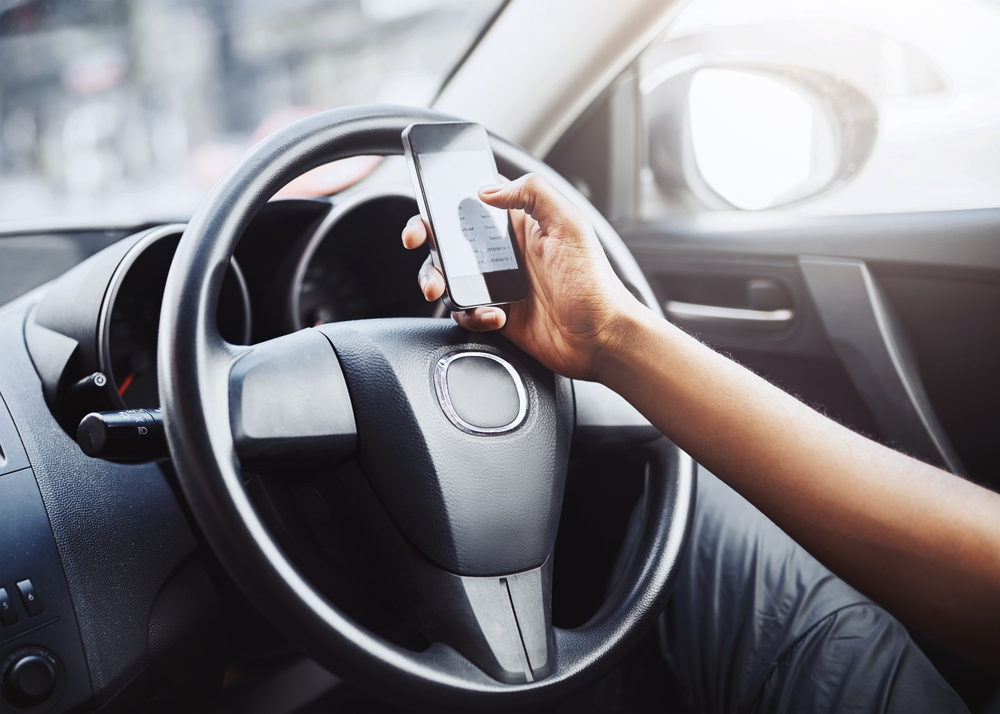
While the other driver may claim they were paying full attention, their digital records typically paint a very different picture. When we subpoena cell phone records to prove distracted driving, we are looking for specific data points that, when cross-referenced with the accident timeline, establish a clear pattern of negligence.
Key Evidence from Cell Phone Records
- Call Logs & Timestamps: Records will show the exact minute a call was initiated, answered, or disconnected. We then compare this timestamp to the time of impact documented in the official police report.
- Text Message Metadata: We generally do not need to know what was said in a text message. Instead, we seek the metadata: the time a message was sent, delivered, and in some cases, opened. This information is sufficient to prove the driver was actively engaged with their device, bypassing certain privacy hurdles while still confirming the distraction.
- Data Usage & App Activity: Distraction is no longer limited to calls and texts. A significant portion of distracted driving involves social media scrolling, video streaming, or using navigation apps. High data transfer spikes at or immediately before the time of the crash are strong indicators of active use.
- Tower Pings (Geolocation): Cell phones are constantly communicating with nearby towers. Triangulating data from these towers proves a phone was not only in motion but also at the specific location of the collision. This counters arguments that the driver was parked or somewhere else entirely.
The In-Motion Argument in New York
New York's laws are strict. Under Vehicle and Traffic Law (VTL) § 1225-d, a person is prohibited from using a portable electronic device while their vehicle is in motion. The law even presumes that a person holding a device in a conspicuous manner is using it. Even if a driver claims they were stopped at a red light, evidence of active engagement with the phone establishes a violation of the state’s No Touch regulations.
If you suspect the driver who hit you was on their phone, don't let their denial be the final word. The data may exist to prove what really happened, and a personal injury attorney can help you access it.
The Legal Mechanism: How the Subpoena Process Works in New York
Step 1: The Preservation Letter (Spoliation)
Long before we issue a subpoena, our first move is to send a spoliation letter or preservation demand. A spoliation letter is a formal notice sent to the at-fault driver and their insurance carrier, demanding that they preserve all digital evidence related to the crash. This includes call logs, text messages, and data usage records on the device itself and with the mobile carrier, especially when investigating the risks of distracted driving and how those choices led to the collision.
This letter puts them on notice that litigation is reasonably anticipated. If they proceed to delete records after receiving this demand, they have committed spoliation of evidence, which can lead to severe legal sanctions from the court, including an adverse inference, where the judge instructs the jury to assume the destroyed evidence was unfavorable to them.
Step 2: Filing the Lawsuit
A subpoena is a tool of the court and, in most personal injury cases, is typically not issued until a lawsuit is officially filed and the case is in the discovery phase. This is a key reason why waiting to see what an insurance company offers is a dangerous strategy. While you wait, the clock is ticking on the mobile carrier's data retention period, and this invaluable evidence could be lost forever.
Step 3: The Subpoena Duces Tecum
Once the lawsuit is active, we draft and serve a subpoena duces tecum. This is a specific type of subpoena that doesn't just compel a person to testify, but commands an entity—in this case, the legal compliance department of a mobile carrier like AT&T or Verizon—to produce specified physical evidence.
Establishing Negligence: Why Phone Records Win Cases
Obtaining the cell phone records is only half the battle. The next step is to connect that raw data directly to the legal framework of your case.
Negligence Per Se: An Automatic Finding of Fault
This is a legal concept that simplifies the process of proving fault. Negligence per se means that if we prove the other driver violated a statute, and that violation caused your injuries, then the driver is automatically considered negligent. You do not have to separately argue that their behavior was unreasonable.
In New York, using a handheld electronic device while driving is a direct violation of VTL § 1225-c and VTL § 1225-d, laws specifically designed to prevent distracted driving. When the subpoenaed phone records confirm a call was made or a text was sent at the moment of the crash, we have proven a violation of the law. This violation establishes negligence, clearing a major hurdle in your claim.
Creating a Prima Facie Case
Phone records serve as what is known as prima facie evidence. This means that, on its face, the evidence is enough to establish a fact unless it is rebutted or contradicted. A timestamped text message log is a powerful piece of prima facie evidence. It shifts the burden of proof to the defendant, forcing them to try and explain why they were not negligent despite the clear evidence that they were using their phone.
Overcoming the Hands-Free Defense
A common counter-argument is that the driver was using Bluetooth or was on speakerphone. However, digital evidence typically dismantles this defense.
- Distinguishing Inputs: Detailed records or a forensic analysis of the phone itself sometimes distinguishes between voice commands and manual inputs, such as unlocking the screen, opening an app, and typing.
- New York's No Touch Standard: VTL § 1225-d explicitly prohibits holding a device to view images, play games, or browse the internet. Even if a driver was not on a call, data usage logs showing activity on a social media or streaming app prove an illegal act of distracted driving.
Barriers to Obtaining Records and How We Overcome Them

While subpoenas are powerful, they are not magic wands. There are significant legal and technical hurdles that we must clear to successfully obtain and use cell phone records.
Encrypted Data (iMessage, WhatsApp, etc.)
There is a difference between carrier logs and app-based data. For traditional SMS texts and phone calls, the carrier has a log of the communication metadata. For encrypted, data-based messaging services like Apple's iMessage or Facebook's WhatsApp, the carrier's record might only show that data was used without specifying the app.
- Our Solution: In cases involving severe injuries where the potential compensation warrants a deeper investigation, we might need to go a step further. This could involve subpoenaing the phone's black box data or even the physical phone itself for a forensic download to uncover app-specific activity.
The Passenger Defense
One of the most common excuses from a distracted driver is, "My passenger was using my phone." This is a plausible defense, but one that is typically dismantled through careful investigation.
- Our Solution: We cross-reference the phone activity with other evidence. For example, was the call made to the driver's spouse or work? Was the text to a contact unknown to the passenger? We use deposition testimony to ask pointed questions about who the passenger was, their relationship to the driver, and the nature of the phone's use. Inconsistencies in these stories can quickly unravel the defense.
Carrier Data Retention Periods
This is the most pressing barrier. Mobile carriers do not store customer data indefinitely. Most only keep call detail records and text message metadata for a period of 12 to 24 months. After that, the evidence is permanently deleted.
Time is of the essence after a car accident, especially in crashes caused by distracted drivers. Delaying the decision to consult with an attorney can have permanent consequences for your case. The sooner we send a preservation letter and file a lawsuit, the more likely it is that we can secure the evidence needed to prove your claim.
Frequently Asked Questions for Distracted Driving & Cell Phone Evidence
Can I get the other driver’s phone records myself?
No. Privacy laws strictly prevent an individual from requesting another person's private records directly from a mobile carrier. Obtaining this data requires a formal legal mechanism, such as a court order or a subpoena, containing a valid authorization, issued by an attorney in the context of a filed lawsuit.
How far back can you get phone records?
This depends on the carrier's data retention policy. Most major providers retain call detail records and text message logs (but not the content of the texts) for approximately 12 to 24 months. This is why you must act quickly. Once that retention period expires, the evidence is gone for good.
What if the driver deleted the texts before the police arrived?
Deleting a text message or a call from the phone's handset does not erase the record from the mobile carrier's servers. The carrier maintains an independent log of all activity. That log, which shows the timestamp and the communicating numbers, is what we subpoena and is usually all that is needed to prove the phone was in use.
Can you tell if they were using an app like TikTok or Instagram?
In some cases, yes. While the initial carrier records might only show a generic data usage entry, this is a starting point. If the data usage corresponds exactly with the time of the crash, it is strong circumstantial evidence. In cases with serious injuries, a forensic analysis of the phone itself or a specific subpoena directed to the app developer (e.g., Meta for Instagram, Google for YouTube) can sometimes reveal precise activity timestamps.
We Dig Deep to Find the Truth
You shouldn't have to pay for someone else’s decision to prioritize a text message over your safety. When that choice causes you serious harm, the law provides a path to hold that person accountable.
You may be worried because the other driver is lying, or you feel the insurance company is not taking your suspicions seriously. These are valid concerns. The system might feel like it is designed to protect the at-fault party.
At William Mattar Accident Lawyers we have experience using the full power of the legal discovery process, including subpoenas and forensic evidence, to uncover the truth. We handle the difficult legal procedures required to obtain the digital evidence that can prove your case, allowing you to focus on your recovery.
Don’t let the evidence disappear. If you were injured by a distracted driver, contact William Mattar Accident Lawyers or contact us online to schedule your free consultation.