When someone dies from injuries caused by negligence, New York provides two separate paths to compensation that address fundamentally different types of harm: wrongful death claims, and survival action claims.
Wrongful death claims compensate your family for financial losses going forward, like lost income, lost support, and funeral expenses. Survival action claims in New York address what your loved one experienced before death: the conscious pain, the terror in the seconds before impact, the fear and awareness during the time between injury and death.
Insurance companies understand this distinction well. They may calculate only wrongful death damages and make offers accordingly.
However, survival action claims, including those for conscious pain and suffering prior to death, may receive less attention in initial settlement discussions. Adjusters may argue death was instantaneous, claim medical records don't prove awareness, or suggest consciousness can't be established—arguments that reduce potential liability.
Families need to know how survival action claims work in New York in order to hold negligent parties accountable for the harm their loved one endured.
Key Takeaways for Survival Action Claims in New York
- Survival actions under EPTL § 11-3.2 compensate the estate for losses the deceased person suffered before death, including conscious pain and suffering, medical expenses, and lost wages during the time between injury and death
- Conscious pain and suffering damages require proving the deceased was cognitively aware and experienced pain
- Pre-impact terror refers to the fear and mental anguish experienced in the seconds before impact when the deceased realized a crash was imminent
- Survival action proceeds belong to the estate and pass through probate as estate assets, distributed according to the will or intestacy law, while wrongful death damages go directly to distributees based on their pecuniary losses
- Medical evidence, including Glasgow Coma Scale scores, EMS records, emergency department documentation, nursing notes, and witness statements about the deceased's awareness, all factor into proving conscious pain and suffering occurred
New York Wrongful Death vs. Survival Action Claims
When someone dies from injuries caused by negligence, New York law provides two independent legal claims that address different types of harm: the wrongful death action and the survival action. These claims compensate different parties, address different damages, and follow different legal rules.
Wrongful Death Claims Under EPTL § 5-4.1
The wrongful death action compensates family members for pecuniary losses they suffer because the person died. Pecuniary losses include lost financial support, funeral expenses, loss of parental guidance, and lost household services represent wrongful death damages under EPTL § 5-4.3.
These damages flow directly to distributees (the family members entitled to inherit under New York law) based on each person's financial dependence and losses.
Survival Actions Under EPTL § 11-3.2
The survival action compensates the estate for losses the deceased person suffered before death. This claim "survives" the person's death and continues in the hands of the estate's personal representative. Conscious pain and suffering during the time between injury and death, medical expenses incurred before death, lost wages during that period, and pre-impact terror all fall under the survival action rather than the wrongful death claim.
Survival action proceeds belong to the estate and pass through probate as estate assets. They're distributed according to the deceased's will or, if there's no will, according to intestacy law.
What Is Conscious Pain and Suffering?
Conscious pain and suffering damages compensate the deceased for physical pain, mental anguish, and emotional distress experienced while aware and conscious after the injury. New York law requires proving the deceased had cognitive awareness. In other words, they must have been conscious and capable of experiencing pain or fear, not simply displaying reflexive responses.
Cognitive Awareness vs. Reflexive Response
Medical evidence must establish that the deceased person was aware of their surroundings, could perceive pain, and experienced suffering. Reflexive responses to stimuli don't prove consciousness.
A patient who opens their eyes when spoken to, squeezes a hand on command, or verbally expresses pain demonstrates some level of cognitive awareness.
Duration of Conscious Suffering
The length of time the deceased remained conscious affects the value of conscious pain and suffering claims. Someone who survived days or weeks in the hospital with documented awareness and pain presents different damage calculations than cases where consciousness lasted only minutes.
However, brief periods of consciousness don't eliminate survival action claims. A person who remained alert and in severe pain for thirty minutes before dying experienced compensable suffering, even if the time frame was short.
Duration matters, but it's not the only factor. The intensity and nature of suffering during conscious periods also determine claim value.
Pre-Impact Terror: Fear in the Seconds Before Collision
Pre-impact terror refers to the fear, anxiety, and mental anguish the deceased experienced in the moments before impact when they realized a crash was imminent. New York courts recognize pre-impact terror as a compensable element of survival action damages, separate from post-impact conscious pain and suffering.
Proving pre-impact terror requires showing the deceased had sufficient time to perceive the danger and experience fear before impact. This typically requires evidence that:
- Time existed between threat perception and impact. The deceased saw the oncoming vehicle, recognized the danger, and had at least a few seconds before the collision.
- The deceased was capable of perceiving danger. They weren't asleep, unconscious, or otherwise incapacitated before impact.
- The circumstances would cause a reasonable person to experience terror. The threat was obvious and imminent enough that fear would be a natural response.
When death occurs instantly or so rapidly that no awareness was possible, pre-impact terror claims are difficult. A person who dies instantly from trauma has no time to experience fear or suffering. Insurance companies may argue instantaneous death aggressively, using medical evidence and crash dynamics to claim consciousness never occurred.

Medical Evidence That Proves Consciousness
Medical records provide the most critical evidence of conscious pain and suffering after crashes. Emergency medical services (EMS) records, emergency department documentation, ICU notes, and nursing assessments all contain information about the patient's level of consciousness and pain.
Glasgow Coma Scale Scores
The Glasgow Coma Scale (GCS) measures consciousness based on eye opening, verbal response, and motor response. Scores range from 3 (completely unresponsive) to 15 (fully alert and oriented). GCS scores documented in EMS reports, trauma evaluations, and ongoing assessments establish the deceased's level of awareness.
Pain Assessment Documentation
Hospital records document pain using numerical scales (0-10), verbal descriptions, and behavioral assessments. Nursing notes recording the patient's complaints of pain, requests for medication, or pain-related behaviors provide direct evidence of suffering. Pain medication administration records show the medical team recognized and treated the patient's pain, supporting claims that suffering occurred.
Intubation and Sedation Records
Patients who are intubated (have breathing tubes placed) often receive sedation that affects consciousness. Medical records showing the patient was alert before intubation, documenting sedation levels, and noting any periods when sedation was lightened to assess responsiveness, all affect conscious pain and suffering claims.
Witness Statements About Consciousness
Family members who visited the hospital, medical staff who cared for the patient, and anyone who interacted with the deceased before death can provide testimony about consciousness. Statements that the patient spoke, recognized family, responded to questions, expressed pain or fear, or showed awareness of their situation all support conscious pain and suffering claims.
Proving Survival Damages When Medical Records Are Limited
Cases where death occurred at the scene or shortly after arrival at the hospital present challenges because medical documentation may be minimal. Proving conscious pain and suffering in these situations can be difficult.
EMS Records and Scene Evidence
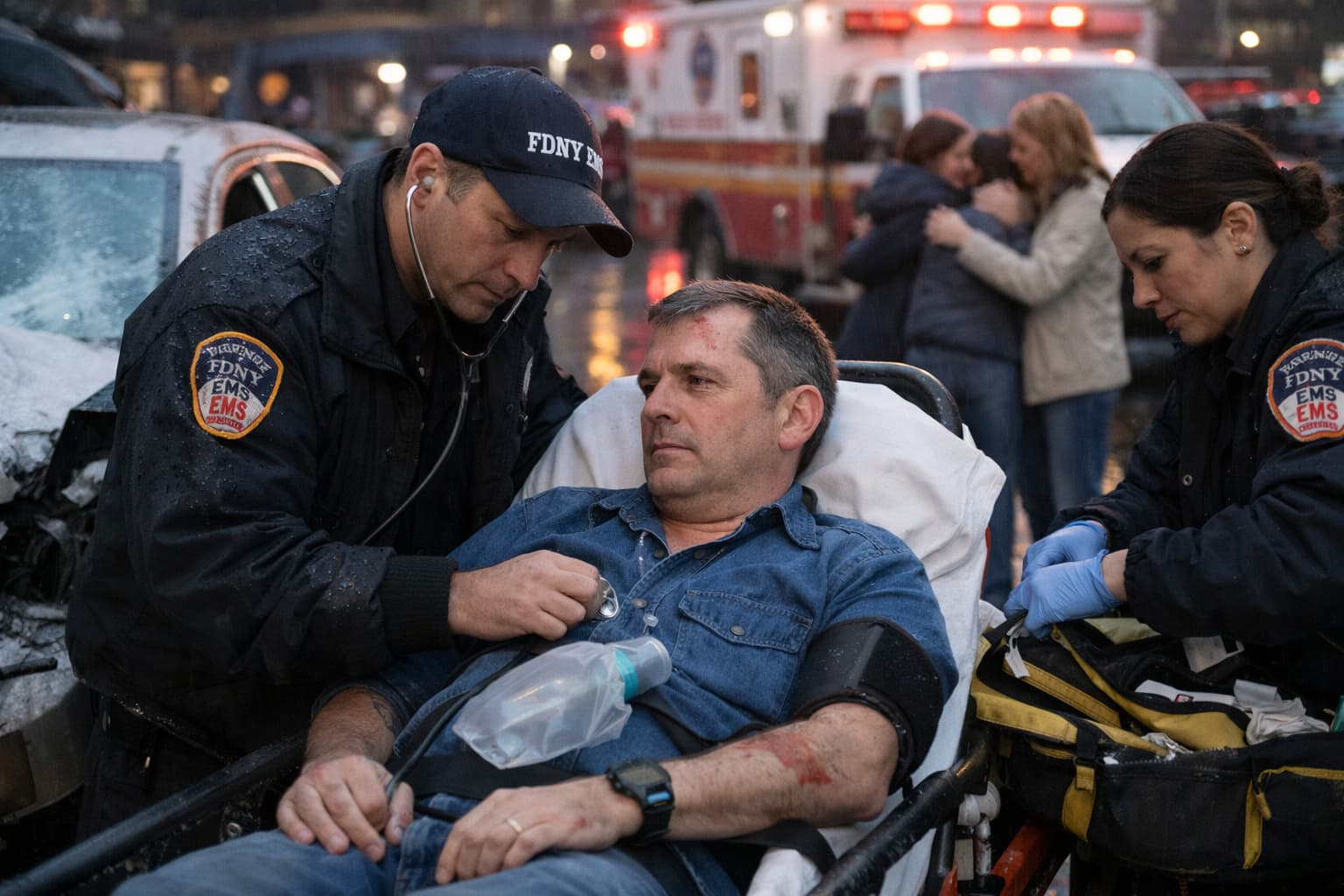
Paramedics document the patient's condition at the scene and during transport. Notes indicating the patient was speaking, complaining of pain, or responsive to commands establish consciousness even if survival was brief. EMS records showing the patient's vital signs, response to treatment, and level of awareness can provide critical foundation for survival claims.
Bystander and First Responder Testimony
People at the crash scene who heard the injured person speak, cry out in pain, or respond to questions can testify about consciousness. Police officers, firefighters, and civilian witnesses who interacted with the deceased before death provide evidence that supplements medical documentation.
Autopsy Findings
Medical examiner reports sometimes include findings relevant to consciousness duration. Autopsy documentation of injury patterns, survival time estimates based on physiological evidence, and analysis of whether injuries would cause immediate versus delayed death all factor into survival action claims.
FAQ for Survival Action Claims in New York
Does sedation eliminate conscious pain and suffering claims in New York?
Not necessarily. Sedation reduces or eliminates awareness during the periods when it's administered, but conscious pain and suffering before sedation began and during any periods when sedation was lightened for medical assessments could remain compensable. Medical records documenting when sedation started, what medications were used, and whether the patient was assessed while alert all factor into calculating damages.
Can you pursue a survival action if the deceased never regained consciousness after the accident?
It depends on whether any period of consciousness occurred between the accident and the loss of consciousness. If the person was alert at the crash scene, spoke to witnesses or first responders, or showed awareness during transport before losing consciousness, those minutes may support survival action claims. Complete unconsciousness from the moment of impact through death typically eliminates conscious pain and suffering claims, though pre-impact terror may still be compensable if the person saw the danger before collision.
Are survival action damages subject to New York's medical malpractice caps?
No. New York doesn't impose damage caps on personal injury or wrongful death cases arising from motor vehicle accidents, workplace incidents, or other non-medical negligence. Survival action pain and suffering damages in these cases aren't capped. However, if the underlying case involves medical malpractice that led to death, different rules may apply depending on the specific circumstances and when the malpractice occurred.
Can family members who weren't financially dependent still benefit from survival action proceeds?
Yes, but indirectly. Survival action proceeds are distributed according to the deceased's will or intestacy law, not based on financial dependence. A wealthy adult child who wasn't financially dependent on the deceased parent might receive nothing from wrongful death damages, but could inherit survival action proceeds if they're named in the will or are heirs under intestacy law. The distribution follows estate law rather than wrongful death's pecuniary injury analysis.
Contact William Mattar, P.C. About Survival Action and Wrongful Death Claims
The difference between "instantaneous death" and "conscious suffering" often comes down to evidence most families don't know exists. Event data recorders capture the seconds before impact. EMS records document scene awareness. Hospital notes track consciousness through Glasgow Coma Scale scores and pain assessments. Medical examiner estimates of survival time based on autopsy findings.
Our wrongful death attorneys identify and preserve this evidence early. We work with medical legal professionals, accident reconstructionists, and forensic specialists as needed to build the factual record that proves conscious pain and suffering occurred, and build a strong case if the evidence supports survival action claims in your case.
Lost a loved one to someone else's negligence? Call William Mattar, P.C. Phones are answered 24/7.
Past performance does not guarantee future results, including financial results or client satisfaction.